
x
Older adults on fixed incomes often struggle with rising electric, gas, and heating costs. This guide walks through senior‑focused utility help, including LIHEAP rules for retired renters, disability and energy discount programs, and how to use weatherization assistance for longer‑term bill relief.
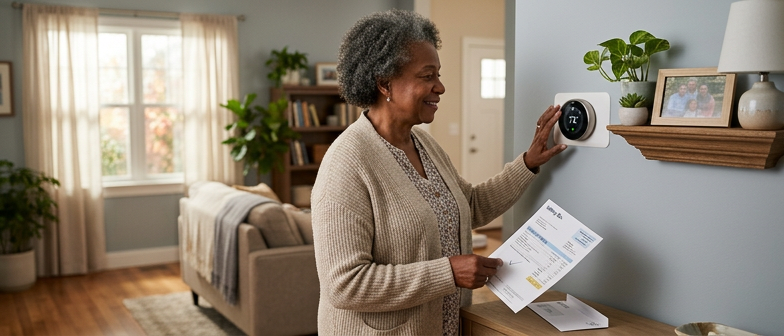
Utility help for older adults usually comes from three places: government programs, utility company discounts, and short term emergency aid. A main government program is the Low Income Home Energy Assistance Program, or LIHEAP, which can reduce heating or cooling costs and sometimes help with past due bills. Retired renters may qualify if their income and household situation meet local rules, even if they do not own their home. LIHEAP funds are limited, are managed by local agencies, and assistance can stop once yearly funding is used, so seniors often need to consider other options instead of relying on LIHEAP alone.
In addition to LIHEAP, many utility companies offer lower rates, bill credits, or payment plans for older adults or customers with low incomes, and some community groups or charities provide one time help to prevent service shutoffs. Each program sets its own eligibility criteria, which may include age, disability status, income, or proof of temporary hardship, and applicants are usually asked for documents such as recent utility bills, identification, and housing cost information. Seniors and families can contact the utility company’s customer service or assistance team, community action agencies, housing counseling services, or nonprofit social service organizations to learn about available programs, compare options, and understand that support is often limited and intended as temporary help with utility costs.
| Assistance Type | Typical Use Case | Eligibility Focus | Key Limitations | Best Fit For |
|---|---|---|---|---|
| LIHEAP-style government aid | Ongoing heating and cooling support | Income, household composition, housing situation | Funding caps, seasonal timing, local agency rules | Seniors with low incomes, including retired renters |
| Utility company senior or low-income programs | Bill reduction, credits, or structured payment plans | Age, disability status, income, utility account history | Program rules vary by provider, may not cover all charges | Older adults on fixed incomes with regular utility accounts |
| Community and charity emergency assistance | Short-term help to prevent shutoff | Proof of hardship, crisis situation, basic identity documents | Usually one-time, limited scope, dependent on donations | Seniors facing sudden financial shocks or past-due bills |
| Combined use of multiple options | Layered support for complex needs | Mix of income, age, disability, and documentation | Coordination effort, overlapping timelines and rules | Households needing both ongoing aid and crisis relief |
Many older adults first hear about help with utility bills through state or local energy assistance programs. These often coordinate with the Low Income Home Energy Assistance Program, or LIHEAP, which can help eligible households with heating and cooling costs. Seniors and caregivers can start by checking information from the state energy or human services department, a community action agency, or the assistance section of their utility company’s website to understand available options such as payment help or protections during extreme weather.
Online application systems are common and can be useful for seniors with mobility or transportation challenges. State LIHEAP portals and utility company sites may let applicants submit forms, upload required documents, and track application status. Those who prefer in‑person support can look for a nearby energy assistance office, often housed within a community action agency, social services department, or housing authority. It is important to confirm office hours in advance and ask whether appointments are required, especially in busy winter or summer months.
Whether applying online or at a local office, documentation plays a central role in qualifying for LIHEAP or similar utility assistance. Programs typically ask for proof of identity, recent utility bills, income details such as benefit award letters or pension statements, and information about household members. Some programs request proof of age or disability when they offer special rules for older or disabled adults. Because requirements vary by state and program, applicants should follow the official instructions closely to see what is needed and how eligibility is reviewed.
LIHEAP applications usually require documents showing who lives in the home, current address, income, and energy costs. Seniors are often asked for identification for each adult, a lease or recent utility bill for proof of address, and income records such as pension statements or Social Security benefit letters. Retired renters can be considered if their household income and housing situation meet local rules, so information on both rent and utilities is typically requested.
Agencies commonly ask for recent heating or electric bills to review account numbers, fuel type, and any past‑due balance. Some offices may also request proof of disability or veteran status when these affect eligibility. Because requirements vary by location, seniors should confirm the latest checklist with the local LIHEAP or utility assistance office and keep copies of all submitted paperwork.
Many utility providers and local agencies offer bill reductions tailored to older adults and people with disabilities, often in addition to broader programs like LIHEAP. Senior and disability discounts may lower energy rates, waive selected service fees, or add seasonal credits during extreme temperatures. Some options are income‑based, while others start with age or disability status and then review household resources against the provider’s rules. Because program design varies, it is important to check each gas, electric, or water company’s eligibility standards and any protections tied to medical needs, such as hardship payment plans or limits on shutoff when essential health equipment is used at home.
When looking at utility discounts or other energy support, seniors and disabled adults can compare how long benefits last, which charges are covered, and whether they coordinate with one‑time emergency assistance. Short‑term electric bill help may be available from community action agencies, aging services organizations, utility‑sponsored charitable funds, or faith‑based groups that focus on urgent disconnection notices. Local aging and disability resource centers, social service offices, and utility customer service teams can explain specialized options, including flexible payment arrangements, priority reconnection, and home energy assessments. Reviewing official program materials and contacting these offices directly helps clarify what documentation is required and typical processing time before help is applied to an account.
Older or disabled adults seeking help with utility bills can start by contacting local social service agencies, community action groups, and housing or aging offices for current listings of discounts and protection programs. Utility companies may also provide reduced rates, medical need protections, or budget billing, and their customer service staff or assistance web pages usually outline available options and how eligibility is reviewed. Public health and disability services offices sometimes coordinate with energy assistance, so asking these agencies about verified programs can help residents find nearby support without relying on informal or unconfirmed information.
Weatherization programs aim to make a home more energy efficient so heating and cooling costs are easier to manage over time. For seniors on fixed incomes, these services can complement utility bill assistance by reducing avoidable energy use. Typical measures include adding insulation, sealing drafts, improving ventilation, and sometimes repairing or replacing inefficient furnaces or air conditioners. Eligibility for older adults usually depends on income, household size, housing situation, and sometimes health or disability status, with rules set by the agencies that manage the funding. Because requirements differ by state and locality, seniors generally need to check the criteria listed by the local weatherization office or community action agency to see if they may qualify.
Applying for home weatherization usually starts by contacting the agency that administers the program and asking about the process for seniors or disabled residents. Applicants are often asked for proof of identity, household income, housing status, and recent utility bills, and the agency may coordinate with other energy assistance programs to avoid overlapping services. After an application is approved, a home energy assessment helps determine which improvements are appropriate within funding and safety limits, and work is commonly provided at no or reduced cost for eligible households. Weatherization does not replace emergency help with utility bills, but using both short-term assistance and long-term upgrades can make future bills more manageable and help older adults remain safely in their homes during periods of extreme heat or cold.
Do retired renters qualify for LIHEAP, or is it only for homeowners?
Retired renters may qualify if household income, size, and local rules are met. LIHEAP looks at who lives in the home and who pays the heating or cooling bills, not just ownership.
How can seniors apply for utility assistance online in a safe way?
Start with official state energy or human services websites, community action agencies, or your utility company’s assistance page. Use contact details listed there to confirm program information.
What documents are usually needed for a LIHEAP application?
Common items include ID for adults in the home, proof of address such as a lease or recent bill, income records like pension or Social Security statements, and copies of current utility bills.
Where can older or disabled adults find local utility discounts and protections?
They can check with local social service agencies, community action groups, aging or disability offices, and the customer service or assistance sections of their gas, electric, or water providers.
What should seniors do when LIHEAP funds run out but bills are still high?
They can ask utility companies about hardship plans or senior discounts, look into weatherization programs for long‑term savings, and contact local aid organizations for emergency bill assistance.