
x
When your AC is blowing warm air, leaking water, or suddenly stops working, nearby HVAC repair options can feel hard to judge. This guide helps you compare local contractors, reviews, quotes, diagnostic and after‑hours fees so you can book a safe, timely repair with clear expectations.
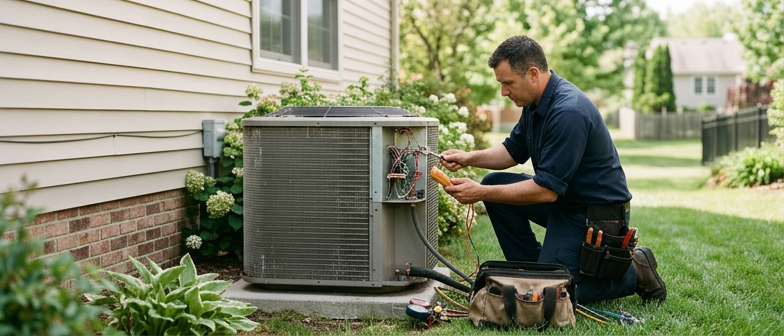
When people search for nearby HVAC repair, they are usually looking for a company that can safely work on heating, cooling, and ventilation systems, often on short notice. Local technicians handle central air conditioners, heat pumps, furnaces, and air handlers, from units that will not start to systems that run but do not cool or heat well. Because this work involves electricity, combustion, and refrigerants, reputable providers rely on licensed HVAC contractors who follow building codes, meet refrigerant handling rules, and aim to protect both occupants and equipment. Many services also offer inspections and seasonal tune‑ups so that minor issues can be found before they cause unexpected breakdowns.
Local HVAC companies range from single‑technician operations to larger teams, and this structure affects response times and the scope of services. Smaller independent contractors may offer more direct communication and flexible scheduling, while larger firms often have dispatch staff, access to more replacement parts, and specialized tools. Parts availability depends on the age and brand of the system, supply conditions, and whether the technician carries common components or must order them from a distributor. Knowing these differences helps homeowners set realistic expectations about appointment windows, repair timelines, costs, and the level of support a nearby HVAC service can provide.
Many frequent home HVAC issues involve airflow or thermostat settings. Before calling a central air technician, it is usually safe to confirm the thermostat is on the correct mode, change a dirty filter, open blocked supply and return vents, and clear obvious debris from the outdoor unit. Checking that no breaker has tripped in the electrical panel can also be helpful. These simple steps are low risk and may restore heating or cooling when the system was restricted or switched off. If these checks do not solve the problem, further work often involves electrical testing, sealed parts, or refrigerant, which is better handled by a trained professional.
Another common problem is an air conditioner that runs but delivers only warm air. A resident can verify that the thermostat is set to cool, the target temperature is below room temperature, and the fan setting is appropriate. It is also reasonable to see whether the outdoor unit is operating and listen for unusual sounds. If the system still does not cool, the cause may be low refrigerant, a failed capacitor, compressor damage, or faulty controls. Addressing these faults generally requires specialized tools and, for refrigerant, certified handling, so arranging a visit with a qualified technician reduces the risk of damage or regulatory violations.
Water around the indoor unit suggests a drainage issue that should not be ignored. Condensate lines can clog with algae or debris and cause leaks that stain ceilings or floors and contribute to mold or structural problems. A homeowner may be able to clear an accessible trap or empty a small collection pan once, but repeated leaks, rust, or musty odors indicate the need for professional service. A licensed technician can open panels safely, inspect drain pans, clean and treat the line, and confirm that condensate is draining correctly. In general, basic visual checks and light cleaning are reasonable do-it-yourself tasks, while electrical work, refrigerant service, and accessing sealed components should be left to HVAC professionals.
Before booking an HVAC repair visit, check that the thermostat is set to cooling, the set temperature is below room temperature, and the system breaker or nearby switches are on. Inspect easily accessible filters and replace them if they look dirty, since poor airflow can make the air conditioner feel like it is blowing warm air. Make sure supply vents and return grilles are open and not blocked by furniture or dust so air can circulate.
If you see water around the indoor unit, note where it appears and look for simple issues such as a loose drain tube or a full portable drain pan. You can clear light debris at the outside drain outlet by hand, but do not open panels, use chemical cleaners, or disturb coils or refrigerant lines. If warm air or leaking water continues after these checks, stop troubleshooting and schedule a qualified technician, describing the symptoms you noticed.
Local HVAC companies usually schedule repair appointments by urgency and technician availability. Loss of cooling during extreme heat or loss of heat in very cold weather is often moved to the front of the line, while routine maintenance can be set for a later date. Dispatchers typically ask about symptoms such as airflow, tripped breakers, or visible leaks to decide whether a visit should be treated as an emergency or a standard booking. Same‑day or next‑day slots may exist but are often limited and reserved for situations that affect safety or basic comfort.
A diagnostic fee is a common flat charge for the technician’s time to travel to the home, inspect the equipment, and identify the cause of the problem. The amount can vary with system complexity, such as multi‑zone heat pumps or high‑efficiency furnaces, and with the company’s policies. Some providers credit part of the diagnostic fee toward the repair if the work is approved, while others treat it separately like a service call in other trades. It helps to confirm in advance what the diagnostic visit includes and whether difficult locations such as attics or rooftops affect the price.
After‑hours HVAC charges apply when service is requested in the evening, overnight, on weekends, or on holidays. The extra cost may show up as a higher diagnostic fee, a separate emergency rate, or an added percentage on labor to reflect overtime and limited staffing. Homeowners often weigh the cost of waiting for a regular daytime appointment against the risk of further damage or discomfort. In some cases, turning the system off and using temporary cooling or heating can be acceptable until normal hours, but for burning smells, electrical issues, or major water leaks, prompt professional attention is usually the safer option.
How quickly an HVAC repair visit can be scheduled depends on seasonal demand, staff levels, and whether the problem is urgent. During extreme heat or cold, appointment windows shrink and no-cooling or no-heat calls are usually placed ahead of comfort complaints. Providing clear symptoms, model details, and any error codes helps schedulers estimate visit length and decide if the work can likely be finished in one trip.
The time between diagnosis and full repair is strongly influenced by parts availability for your equipment. Common items such as capacitors or contactors are often stocked on service trucks, supporting same-day repairs when issues are simple. Special control boards, variable-speed motors, or brand-specific components may need to be ordered, adding shipping time and stretching the repair window to several days, so it helps to ask how the company handles delayed or discontinued parts.
When comparing nearby HVAC repair companies, look first at reputation and basic credentials rather than price alone. Read recent reviews to see patterns in punctuality, communication, and how clearly technicians explain issues such as compressor or thermostat problems. Notice how companies respond to critical feedback, and confirm that any central air technician you might hire holds required licenses and is qualified to work with refrigerants and pressurized systems, since this affects safety and compliance.
After you identify a few licensed HVAC contractors, review how each one handles diagnostic work and fees. Many providers charge an evaluation fee, so ask whether it is a flat rate, how they document findings like low refrigerant or worn blower parts, and whether you receive a written summary. It also helps to know whether the business mainly deals in one equipment brand or operates as an independent repair service, because this can shape which systems they regularly service and the parts they keep in stock.
When requesting written HVAC repair quotes, compare more than the total cost. Each estimate should separate labor, replacement parts, and extra tasks, such as clearing a clogged condensate drain or checking ductwork for leaks. Look for clear information on warranties for parts and workmanship, typical response time for nonemergency appointments, and how follow-up is handled if the problem returns. Weighing reviews, licensing status, and detailed quotes together can help you choose a local company whose approach and costs align with your expectations.
| Comparison Factor | Why It Matters | What Favors a Company | When To Be Cautious |
|---|---|---|---|
| Review patterns | Shows reliability and communication style | Consistent notes on punctuality and clear explanations | Many recent comments about no‑shows or confusion |
| Licensing and certifications | Indicates training and code compliance | Verified licensed HVAC contractors with refrigerant credentials | Unclear license status or refusal to show proof |
| Diagnostic process | Affects clarity of problem and next steps | Flat, explained fee with written findings | Vague charges and no documentation |
| Brand focus vs independence | Influences parts access and system familiarity | Experience with your equipment type and stocked parts | Limited to unfamiliar models or narrow brand support |
| Quote breakdown | Helps compare labor, parts, and extra tasks | Itemized costs and listed tasks like drain clearing | Single lump sum with little detail |
| Warranty and follow‑up | Sets expectations if issues return | Written coverage for parts and workmanship | No clear policy on callbacks or warranty terms |
What should I check before calling an HVAC repair service for an AC blowing warm air?
Make sure the thermostat is on cool, set below room temperature, filters are clean, vents are open, and breakers or switches are on. If it still blows warm air, schedule a technician visit.
How do HVAC companies typically charge for after‑hours service?
Many use a higher diagnostic fee or a separate emergency rate for nights and weekends. Ask in advance how the fee is calculated and how it combines with labor and parts costs.
When should I call a licensed central air technician instead of trying DIY fixes?
If problems involve electrical testing, refrigerant, internal components, or repeated breaker trips, stop DIY work and contact a licensed contractor to reduce safety risks and code issues.
What can cause a clogged condensate drain, and how is it usually serviced?
Algae, dust, and sludge may block the drain, leading to leaks or shutoffs. HVAC companies often clear and flush the line; mention condensate drain cleaning when you book the appointment.
How can I compare local HVAC repair quotes and reviews?
Focus on recent reviews describing punctuality and clear explanations, confirm licensing, and compare written quotes listing diagnostic fees, labor, and parts instead of choosing only by price.