
x
Choosing an insured laser treatment clinic means balancing medical need, potential insurance coverage, and out‑of‑pocket costs. This guide helps you evaluate licensed clinics, understand coverage for CO2 scar resurfacing, PCOS and gender‑affirming laser hair removal, and plan sessions, anesthesia, and payment options safely.
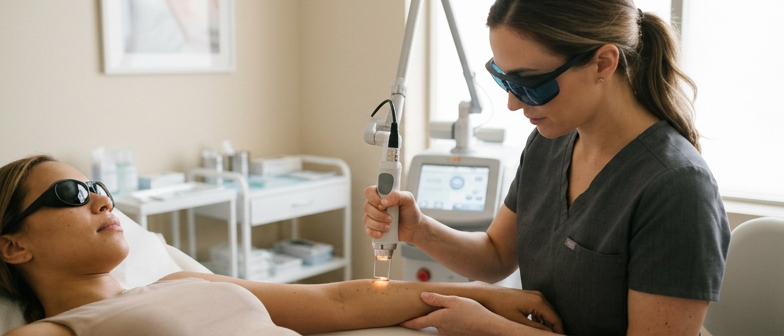
An insured laser treatment clinic is a licensed medical setting that uses laser devices for dermatologic, cosmetic, and reconstructive concerns under defined safety and billing standards. Care is usually led or overseen by board‑certified physicians, such as dermatologists or plastic surgeons, who decide whether a condition is cosmetic, medically necessary, or part of gender‑affirming care. Staff training, calibrated equipment, written protocols, and informed consent aim to reduce risk and clarify likely outcomes. For people looking for a nearby licensed clinic that accepts insurance, these services often include checking benefits in advance, explaining when preauthorization is needed, and outlining situations where a procedure is considered elective and must be paid out of pocket.
Patients typically go through a structured intake that reviews medical history, current medications, skin type, and diagnoses such as scarring, vascular birthmarks, or hair growth linked to hormonal conditions. Clinics that bill health plans often help verify whether a policy recognizes laser treatment for burns, port‑wine stains, or gender‑affirming hair removal as medically necessary and what financial limits apply. Some practices actively work to be welcoming to transgender and nonbinary patients by using inclusive communication and being clear about how gender‑affirming services are documented for insurance. Overall, an insured clinic focuses on combining clinical expertise, safety procedures, and careful billing so people understand the medical reasoning, potential benefits and risks, and expected personal costs.
To confirm a nearby laser clinic is legitimately licensed and insured, use state medical or nursing board databases to look up the supervising dermatologist, physician, or advanced practice clinician. Verify that licenses are active and that there is no concerning disciplinary history. Ask the clinic who oversees laser treatments, request license numbers, and check that the facility and equipment are covered by liability insurance instead of relying on informal assurances.
Before booking, call to ask whether the dermatologist‑run laser clinic is in network for your health plan, whether it can submit claims for medically necessary services, and how prior authorization is handled for conditions such as scars, vascular birthmarks, or gender affirming hair removal. To assess inclusivity, look for gender‑neutral forms and restrooms, visible nondiscrimination policies, and reviews describing respectful, trans‑affirming communication.
| Checklist Item | Why It Matters | Simple Action |
|---|---|---|
| Verify clinician license | Confirms medical oversight is legitimate | Search state board by name and profession |
| Check disciplinary history | Helps avoid clinicians with serious past issues | Review board records for sanctions or restrictions |
| Confirm liability insurance | Reduces risk if equipment or care problems occur | Ask for written proof of facility coverage |
| Ask about insurance network status | Affects out‑of‑pocket costs and claim handling | Call billing staff and provide your plan details |
| Clarify prior authorization process | Prevents denied claims for medical lasers | Request explanation of steps and needed documents |
| Assess inclusivity signals | Supports respectful, trans‑affirming care | Look for neutral forms, policies, and patient reviews |
Coverage for laser procedures in the United States depends on whether a treatment is judged medically necessary instead of cosmetic. Clinics that bill insurance usually need a diagnosis, clinical notes, and a defined treatment goal, such as reducing symptoms or preventing complications. For conditions like port-wine stains that affect function or cause bleeding or significant psychosocial distress, insurers may treat laser therapy as medical care and reimburse part of the cost when performed by a dermatologist or other qualified specialist. Policies differ widely, so prior authorization and case-by-case review are common.
Insurance treatment of unwanted hair often hinges on the underlying cause. People with polycystic ovary syndrome who have severe facial hair sometimes show that laser reduction lessens skin irritation or other symptoms, but many plans still classify hair removal as cosmetic unless specific medical necessity criteria are met. For gender-diverse patients, coverage for gender-affirming laser hair removal is linked to how the plan defines transition-related services and whether hair removal is included in those benefits. Some employer and marketplace plans have expanded coverage for selected laser procedures, while others exclude them, making it essential to read plan documents and request written benefit explanations.
Patients may benefit from choosing a dermatologist-led laser clinic that accepts insurance and is familiar with medically necessary care and gender-affirming services. These clinics are often more experienced in preparing documentation such as diagnoses, photographs, and progress notes that insurers may require. Trans-friendly practices that routinely serve transgender and nonbinary patients may also coordinate with other healthcare professionals when additional supporting letters are requested. Even with thorough documentation, approval is not guaranteed, and individuals may need to combine covered visits with self-pay sessions or pursue appeals based on their plan’s specific rules.
Laser hair removal is sometimes covered when excess hair is linked to a diagnosed condition such as polycystic ovary syndrome or when hair growth leads to recurrent infections or functional problems. Insurers usually ask for notes from an endocrinologist, gynecologist, or dermatologist describing the diagnosis, previous treatments, and why laser therapy is considered medically necessary rather than cosmetic. For gender‑affirming hair reduction, some plans include laser services within transition‑related care, but approval typically depends on policy language and supporting letters from qualified clinicians.
Coverage for laser treatment of vascular lesions like port‑wine stains is often assessed differently from cosmetic vein procedures. Plans that do consider payment commonly require a documented diagnosis, clinical photographs, and records describing symptoms such as bleeding, skin thickening, or significant psychosocial impact. Insurers generally look for care coordinated by a dermatologist or similar specialist and may cap the number of funded sessions or request periodic reports showing that continued treatment is clinically justified.
CO2 laser scar resurfacing directs focused light to remove tiny columns of damaged skin and stimulate collagen, which can gradually smooth burn, surgical, or traumatic scars. Outcomes differ with scar depth, age, skin type, and medical conditions. A dermatologist or plastic surgeon assesses thickness, texture, and pigmentation, and may combine CO2 treatment with topical care, pressure therapy, or other lasers. The number of sessions depends on how intensive the settings are and how the skin heals, so some people notice changes after one visit, while others require multiple treatments spaced over weeks or months.
Pain control is planned according to the size and intensity of the procedure. For limited or superficial areas, topical anesthetic and small local injections often allow the person to stay awake and return home the same day. Larger burn scars, sensitive areas near the eyes, or high‑energy treatments may involve oral medication or intravenous sedation monitored by an anesthesia professional, and very extensive work can be combined with general anesthesia in an operating room. The choice takes into account treatment area, pain tolerance, medical history, and clinic safety standards, and should be reviewed in advance along with possible side effects such as redness, swelling, pigment changes, infection, or slow healing.
The cost of CO2 scar resurfacing reflects the laser technology, professional fees, anesthesia, and the number of sessions. Mild cosmetic resurfacing is often self‑paid, with pricing set per session or treated region. When scarring affects function or reconstructive goals, some health plans may review the case, but coverage depends on the policy terms, documentation of medical necessity, and whether the clinic is in network. Self‑pay estimates should specify what is included, such as consultations, anesthesia, facility charges, aftercare, and follow‑up visits, and it is useful to ask for a written breakdown of fees and how they might change if additional treatments are advised.
When planning laser treatment for burn scars, clinicians look at how deep and wide the scar is, how long ago it formed, and the person’s skin type and scarring history. From this evaluation they estimate how many sessions may be needed, stressing that improvement is gradual and that the plan can change as healing and goals evolve.
Discussion of anesthesia focuses on comfort, safety, and costs. Smaller or less sensitive areas may be treated with cooling and topical numbing, while thicker or more painful scars can require local injections or, in some cases, sedation supervised by an anesthesia specialist. During consultation, the clinician explains possible side effects, any extra monitoring, and how each option can affect visit length, recovery, and the overall budget for a course of treatment.
What should I expect from an insured laser treatment clinic during my first visit?
You can usually expect a medical history review, skin exam, discussion of goals, explanation of risks and side effects, and a cost and insurance benefits check before any laser procedure is scheduled.
How is CO2 laser burn scar treatment cost estimated and how many sessions are typical?
Cost is based on scar size, number of areas, session length, and anesthesia needs. Mild scars may need one to two sessions; thicker or widespread burn scars often require several visits spaced weeks apart.
When might laser hair removal for PCOS be covered by insurance?
Coverage is sometimes considered when a clinician documents a PCOS diagnosis, failed medical treatments, and problems such as recurrent irritation or infection, but final approval depends on each plan’s rules.
What anesthesia options are commonly discussed for CO2 scar laser procedures?
Options often include topical numbing cream, injected local anesthetic, and for larger or painful areas, oral sedation or monitored anesthesia, chosen according to scar extent, pain tolerance, and health status.
How can I find a licensed, trans‑friendly laser clinic that accepts insurance for gender‑affirming care?
You can check boards for dermatologist licensing, ask directly about experience with gender‑affirming laser treatments, confirm they bill your insurance, and request how they document medical necessity for coverage.