
x
Rising electric or heating costs can make it hard to keep up, especially if you are facing overdue bills or a shutoff notice. This guide walks through how energy bill assistance programs like LIHEAP work, who may qualify, and where to check applications or credits.
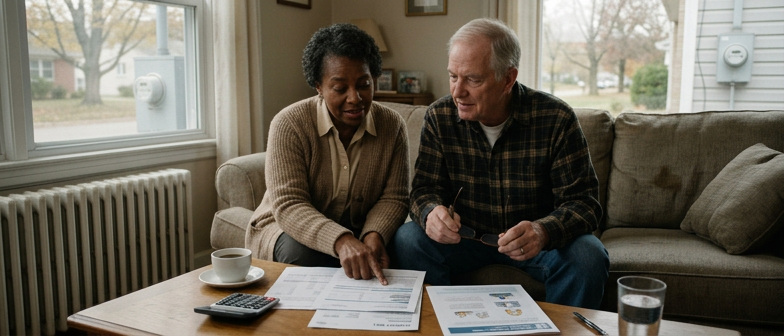
Energy bill assistance programs are designed to reduce the cost of home heating, cooling, and electricity for households that meet specific income and eligibility rules. The best-known program is the Low Income Home Energy Assistance Program, often called LIHEAP, which can provide a credit toward your utility bill or help with bulk fuel costs. These programs generally aim to stabilize a household’s energy situation rather than cover every bill in full, so the support you receive is usually meant to make essential service more affordable and to prevent service interruptions when possible.
The amount of help someone could receive depends on factors such as income, household size, local fuel costs, and whether there is an immediate issue like a shutoff notice or a seriously overdue electric bill. Some programs focus on a single crisis payment to keep power or heat on, while others may offer regular seasonal benefits or referrals to payment plans and efficiency upgrades. Because each program sets its own rules and funding levels, it is important to check with your local energy assistance office or utility company to understand what options exist in your area and what documentation they require before any aid can be approved.
| Program Type | Typical Purpose | Best For | Coverage Level | Key Considerations |
|---|---|---|---|---|
| Federal LIHEAP | Bill credits or fuel support | Low income households needing stability | Partial, stabilizing support | Depends on income, household size, local rules |
| State or Local Assistance | Seasonal benefits or extra support | Households with ongoing affordability issues | Varies by area and funding | Check local office for eligibility and documentation |
| Utility Hardship Programs | Crisis help for shutoff or overdue bills | Households with immediate disconnection risk | Short term, targeted relief | May require payment plans and proof of hardship |
Energy bill assistance often begins with federal funding through the Low Income Home Energy Assistance Program, but states, tribal programs, and local partners decide how support is delivered. State and tribal agencies set income rules within federal guidelines and work with community action organizations or social service departments. Local offices are usually the main place to apply, ask questions, or sort out issues such as a missing energy credit, so reviewing information on your state or tribal energy assistance website is a common starting point.
Additional help may come from nonprofit groups, faith-based charities, and assistance programs offered by utility companies, especially for shutoff notices or overdue bills. These organizations may rely on LIHEAP funds, private donations, or utility hardship programs, and they typically limit support based on need, household situation, and available money. People often search for nearby bill assistance programs or the closest office that accepts LIHEAP applications, then contact those organizations to confirm eligibility, documents, and how emergencies are handled.
Energy bill assistance programs are designed for households that have difficulty paying for essential heating, cooling, or electric service. Eligibility often depends on household income compared with local limits, the number of people in the home, and whether anyone is a child, older adult, or has a disability. Agencies may also consider your current situation, such as very high bills, a utility shutoff notice, or having to choose between energy costs and other basic needs. Because requirements differ by program and state, you need to review the rules for your area to understand whether you are likely to qualify.
To apply for home energy assistance, you generally complete an application and submit documents that confirm your circumstances. Common items include identification for each household member, proof of where you live, recent pay stubs or benefit statements, and utility bills showing your account details and balance. Programs may ask about the type of fuel you use, whether you rent or own your home, and if you already received help during the current program year. Providing accurate, complete information allows the agency to review your request, but any approval and timing depend on program policies, funding, and the details of your household.
The amount of assistance you could receive varies and is usually based on income, household size, fuel or utility type, and local benefit formulas. Some programs offer a one‑time credit to your account, while others include additional support when service is at immediate risk of disconnection. There is no single nationwide benefit level, so similar households can receive different amounts depending on location and when they apply. To get a realistic estimate, you typically need to check guidelines from the local office that administers the program or speak with staff who can outline typical ranges without promising a specific benefit.
Tribal households can have different eligibility rules for home energy assistance because programs may be run by a tribal agency or a state office. Income limits, documentation, how household size is counted, and how energy costs and local climate are weighed can all vary by tribe. Applicants are typically asked to provide proof of tribal enrollment or residence in a tribal service area, and must follow the requirements, forms, and deadlines published by the agency that serves their community.
Older adults may receive additional consideration when seeking help with utility bills, but the actual amount of energy assistance still depends on income, household size, fuel type, and local benefit formulas. Some programs treat seniors as a priority group when funds are limited or when shutoff notices, medical needs, or temperature‑related risks are present. Because these rules differ by location, people above the local age threshold need to review guidance from the administering office to understand how senior status affects eligibility and benefit levels.
The Low Income Home Energy Assistance Program, or LIHEAP, is intended to ease energy costs, not add new charges. In many areas there is no fee to apply, and you are not asked to pay to have your case reviewed. Because rules and procedures are set by federal, state, and local agencies, you should still confirm with the office that serves your household whether any costs apply to supporting documents, mailing, or optional services that fall outside the basic application.
When LIHEAP assistance is approved, the benefit is usually sent as a payment to your utility or fuel provider and appears as a credit on your account. The posting time and label vary, and the credit may show under a general adjustment code instead of the program name. If you expected a benefit and do not see it, review recent bills, then contact both your local LIHEAP office and your utility’s customer service with your account and application information so they can check whether a payment was issued, how it was recorded, and whether any delay or error needs attention.
Checking your application status helps you understand if processing is still underway or if more information is required. Local agencies may offer updates by phone, email, or online systems and typically ask for an application number, along with your name and address. When you follow up, ask whether your file is complete, whether a decision has been made, and when the next step is expected, keeping in mind that timeframes depend on funding levels and seasonal demand. Keeping copies of forms and utility notices makes it easier for staff to review your situation.
If you receive a utility shutoff notice or your electric bill is overdue, contact your utility provider quickly. Ask about payment plans, budget billing, or any medical or hardship protections, and request written confirmation of what you agree to. Keep copies of bills, notices, and account numbers together, because local bill assistance programs and community organizations usually need these details to review your case. Note the possible shutoff date and set reminders so you have time to explore options before service is disconnected.
While you are working with the utility, check for agencies near you that focus on help with overdue electric bills, such as social service offices, community action agencies, or nonprofit charities. Many coordinate with public energy assistance programs and can explain current eligibility rules, the documents you may need, and how to apply online or at a local office. Because funding and criteria can change, confirm information directly with the program and be cautious about informal offers or advertisements that claim guaranteed approval or instant bill payment.
How can I apply for home energy help like LIHEAP?
Go to your state, tribal, or local energy assistance website to find forms, document lists, and office locations. Many programs accept online, mail, and in‑person applications.
How do I know if my household is eligible for utility assistance?
Agencies review income, household size, and energy needs, and may prioritize homes with children, seniors, disabilities, or shutoff notices. Check the posted income limits and rules for your local program.
Is there an application fee for LIHEAP?
LIHEAP does not charge a fee to process applications. You may still pay normal costs for things like document copies or mailing, which are outside the program decision itself.
What if my LIHEAP credit does not show on my utility bill?
Contact both the LIHEAP office and the utility. Share your account number, approval letter, and recent bills so they can confirm if a payment was sent and how it should be applied.
Where can I seek help with an overdue electric bill or a shutoff notice?
Talk with your utility right away about payment options, then check local community action agencies, social services, and charities listed on your state or tribal energy assistance site.