
x
If you’re curious whether GLP-1 weight loss injections like semaglutide (Ozempic or Wegovy) are right for you, this overview explains how the hormone works, the benefits and risks of prescription options, and why unapproved products can be dangerous.
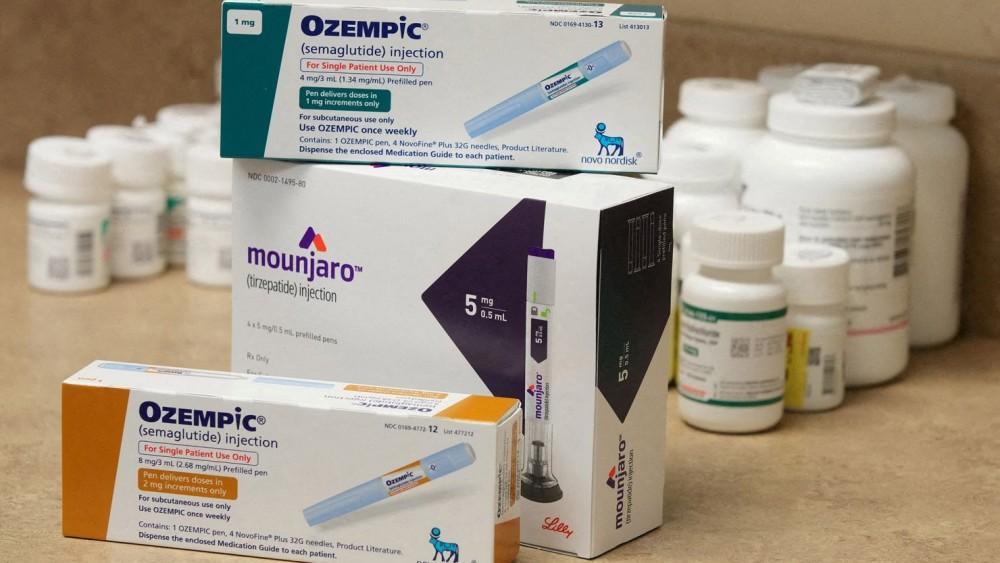
When people ask what GLP-1 is, they are talking about a natural hormone called glucagon-like peptide-1 that your gut releases after you eat. GLP-1 travels through the bloodstream and signals the pancreas to release insulin, helping move sugar from the blood into your cells for energy. It also slows how quickly food leaves your stomach and sends messages to the brain that you are getting full. Because of this combined effect on blood sugar, digestion, and satiety, this hormone quietly shapes how hungry you feel and how much you tend to eat over a day.
Researchers discovered that stronger or more effective GLP-1 signaling can lower appetite, reduce cravings, and smooth out blood sugar spikes after meals, all of which can support weight management. People whose bodies do not respond well to this hormone may feel hungrier, eat larger portions, or experience more frequent blood sugar highs and lows, which can make gaining weight easier and losing weight harder. Modern weight-loss medicines build on this basic biology by mimicking or enhancing GLP-1 activity, but the foundation is this naturally occurring hormone that links your gut, pancreas, and brain to changes on the scale.
Several prescription weight loss medications are based on GLP-1, a hormone that helps regulate blood sugar, appetite, and digestion. Semaglutide is the best known drug in this group and is available under different brand names and doses for different medical needs. Ozempic is a semaglutide product approved to treat type 2 diabetes, where it improves blood sugar control and often leads to weight loss as a secondary effect. Wegovy contains the same active ingredient but is specifically approved for chronic weight management in people with obesity or certain weight-related conditions, and it is usually given at higher doses than when it is used for diabetes.
These GLP-1 weight loss injections are prescription therapies meant to be used with lifestyle changes such as nutrition and physical activity. When a clinician prescribes semaglutide under a product like Ozempic, the primary goal is diabetes control, with any weight change considered an added benefit. When the same molecule is prescribed as Wegovy, the main target is long-term weight reduction and obesity treatment, with dosing and monitoring tailored to that purpose. Because of these different indications and doses, people should not switch or share pens on their own and should work with a licensed health professional to decide whether a GLP-1–based medication is appropriate, understand possible side effects, and distinguish between diabetes care and dedicated weight loss therapy.
| Medication | Primary Indication | Typical Role of Weight Loss | General Candidate Profile | Clinician Focus |
|---|---|---|---|---|
| Ozempic (semaglutide) | Type 2 diabetes management | Secondary benefit | Adluts with diabetes and elevated weight | Blood sugar control and safety monitoring |
| Wegovy (semaglutide) | Chronic weight management | Main treatment goal | Adluts with obesity or weight-related conditions | Sustained weight reduction and dose adjustment |
| Other GLP-1 options | Varies by product | Varies from modest to targeted | People needing hormone-based support | Matching indication, monitoring side effects |
GLP-1 weight loss injections are usually taken once a week on the same day, using a prefilled pen that goes just under the skin of the belly, thigh, or upper arm. Treatment typically starts with a low dose and increases slowly to help your body adjust and limit side effects like nausea. The dosing schedule depends on the specific GLP-1 medication and your health history, so follow the plan your clinician gives you rather than copying someone else.
Most people are taught to self-inject during an office visit, including how to attach the needle, choose a clean injection site, and dispose of pens and needles safely. Even though these weight loss injections are self-administered, regular medical supervision is needed to track progress, watch for side effects, and change the dose or medication if you are not responding well.
GLP-1 weight loss medications mimic a natural hormone that regulates appetite, blood sugar, and digestion. For people with obesity or overweight plus related health problems, these medicine can support meaningful weight reduction when combined with a calorie deficit and more physical activity. Many patients report feeling full sooner, fewer cravings, and gradual, sustained weight loss that may improve blood pressure, blood sugar levels, and sleep apnea, and may lower the risk of type 2 diabetes or cardiovascular events in some higher‑risk groups.
These treatments also carry side effects and limits that anyone considering them should understand. Common problems include nausea, vomiting, diarrhea, constipation, decreased appetite, and abdominal discomfort, especially during dose increases. Some people notice fatigue, headache, dizziness, or heartburn. In most cases these issues are mild to moderate and ease as the body adjusts, but for a portion of users symptoms are bothersome enough that they stop the medication or need slower dose changes under medical supervision.
More serious risks, while less common, should be discussed with a clinician before starting a GLP-1 prescription for weight loss. These medicine can rarely cause pancreatitis, gallbladder disease, kidney injury from dehydration, or severe gastrointestinal problems, and they are not recommended for people with a personal or family history of certain thyroid tumors. Long‑term safety in younger patients, at very high doses, or with prolonged use beyond several years is still being studied, and rapid weight loss can also affect bone density, muscle mass, and mental health. Because of these uncertainties, decisions about GLP-1 therapy should be individualized, with monitoring and a clear plan for lifestyle changes so that benefits outweigh potential harms.
Because GLP-1 based weight loss medications affect blood sugar, appetite, and digestion, using any unapproved or non-prescription version can be risky. Some online sellers market compounded or copycat injections that have not gone through standard quality, safety, or dosing checks. These products may contain the wrong active ingredient, too much or too little drug, harmful contaminants, or labels that misstate how they should be used.
Serious side effects reported with questionable GLP-1 products include severe nausea and vomiting, low blood sugar, dehydration, and hospitalization from dosing errors. Without a prescription and medical supervision, people may not be screened for conditions or medicine that make these shots unsafe, or monitored for problems like gallbladder disease or pancreatitis. To lower the chance of harm, GLP-1 treatment for weight management should only come through a licensed clinician and legitimate pharmacy.
Not everyone looking to lose weight is a good fit for GLP-1 weight loss medications, and most prescribers follow medical guidelines when deciding who qualifies. Adulte are usually considered candidates if they have obesity, often a body mass index (BMI) of 30 or higher, or a BMI of 27 or above plus a weight-related condition such as type 2 diabetes, high blood pressure, or high cholesterol. Clinicians also review past lifestyle efforts, current medicines, and any history of pancreatitis, thyroid cancer, serious digestive disease, or eating disorders, which can make a GLP-1 prescription inappropriate or higher risk. Because they act on hormones that influence blood sugar and appetite, your provider will usually check lab results and other conditions, and will still stress that nutrition, movement, and sleep are the foundation of any safe weight management plan.
Coverage for GLP-1 prescriptions varies widely between insurance plans and between medicine used for diabetes versus those labeled as weight loss medications. Some employer or marketplace plans cover certain products, but they may require prior authorization, proof that other approaches have been tried, or regular documentation of progress. Public programs, including Medicre, have limited ability to pay for medicines used only for obesity treatment, though some GLP-1 options may be covered when prescribed for diabetes. Even when a plan lists these injections on its formulary, deductibles and copays can be high, so patients often need to ask both their prescriber and insurer about specific medicine, expected out-of-pocket costs, and any lower-cost alternatives or patient assistance programs.
What is GLP-1 and how does it help with weight loss?
GLP-1, or glucagon-like peptide-1, is a gut hormone released after you eat. It boosts insulin, slows stomach emptying, and signals fullness to the brain, which can reduce hunger and calorie intake.
How do prescription GLP-1 weight loss medications like semaglutide work?
Drugs such as semaglutide mimic GLP-1, improving blood sugar control and increasing satiety. When combined with diet and activity changes, they can support significant, gradual weight loss in eligible adulte.
What is the difference between Ozempic and Wegovy?
Both contain semaglutide. Ozempic is approved for type 2 diabetes and often causes weight loss as a side effect, while Wegovy is specifically approved at higher doses for long-term weight management.
How are GLP-1 weight loss injections usually taken?
They are typically injected once weekly under the skin of the abdomen, thigh, or upper arm, using a pen device. Doses are slowly increased according to a schedule set by your clinician.
Are compounded or non-prescription GLP-1 products safe to use?
Unapproved or copycat injections can have incorrect doses, wrong ingredients, or contaminants. Because GLP-1 affect hormones and blood sugar, you should only use products prescribed and dispensed through licensed channels.