
x
If you’re wondering whether a free hearing test, an online screening, or a teen check at school is enough before paying for a full diagnostic exam, this guide explains what free tests include, how reliable they are, and how costs and insurance work afterward.
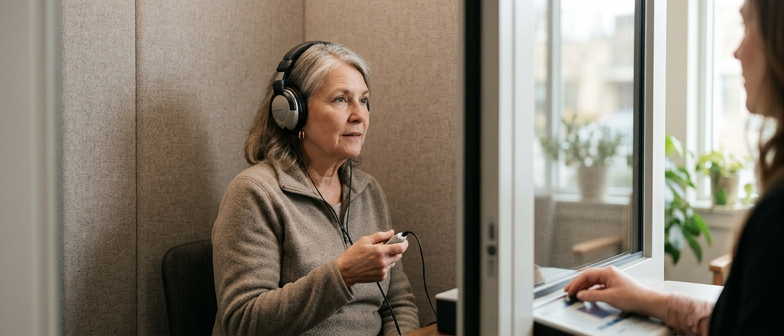
A free hearing test is usually a short screening that measures how well you notice sounds at different pitches and volumes, often through headphones and simple listening tasks. It may be offered online or in community settings such as schools, pharmacies, or hearing centers, and is meant for people who want a quick check before deciding on a full diagnostic exam. Adults who struggle to follow conversations, teenagers exposed to loud music or sports events, and caregivers concerned about a family member’s hearing often use these no-cost checks. Because programs and age ranges differ, it is important to review who is eligible and to confirm that children and teens meet any age limits for online or in-person screening.
Free screenings act as an early filter within overall hearing care, not a final diagnosis. They can highlight possible changes, prompt people to pay attention to symptoms, and support a discussion with a primary care clinician or audiologist when results suggest a concern. However, results can be affected by background noise, personal devices, and headphone volume settings, and these screenings usually do not include a full case history or tests of the middle ear. For that reason, online or community results should be treated as preliminary, and unexpected or unclear findings are best checked with a licensed professional through a comprehensive diagnostic hearing evaluation.
A no-cost hearing check at a community site, retail clinic, or online platform is usually a brief screening, not a full diagnostic exam. In person, staff often ask about your hearing concerns, noise exposure, and medical history, then use headphones or speakers to play tones at different pitches and loudness levels. You may press a button or raise a hand when you hear the sounds, or repeat simple words presented at a comfortable volume. The aim is to see whether your hearing responses look typical or suggest a possible issue. Results are usually explained right away in everyday language, and the screener may suggest whether you should schedule a full evaluation with an audiologist. These quick checks rarely include an ear exam, detailed speech-in-noise testing, or written reports for legal or disability purposes.
A comprehensive diagnostic hearing assessment goes further and is distinct from the free screening that is often advertised. It is usually performed by a licensed audiologist or ear specialist, includes examination of the ear canal and eardrum, and uses calibrated tests at a wide range of frequencies and loudness levels to measure both hearing sensitivity and speech understanding, often in quiet and in background noise. Because this type of visit is considered diagnostic, it is commonly billed to health insurance, and what you pay depends on your plan, medical necessity, and whether you have met your deductible; some people owe only a copay while others may pay most or all of the cost after the deductible. When a free screening suggests a problem or when there are symptoms like sudden hearing loss, ongoing tinnitus, or ear pain, it is important to arrange a full evaluation and confirm coverage details with the insurance provider before testing.
| Aspect | Typical Free Hearing Screening | Comprehensive Diagnostic Hearing Test |
|---|---|---|
| Main purpose | Quick check for possible issue | Full assessment of hearing and ear health |
| Who performs it | Trained staff or technician | Licensed audiologist or ear specialist |
| Setting and duration | Community or retail site, brief visit | Medical clinic visit, longer appointment |
| Procedures used | Basic tones and simple word listening | Ear exam, detailed tones, speech in quiet and noise |
| Insurance and cost | Usually no insurance billing | Billed as diagnostic, cost depends on deductible |
| Typical follow-up | Advise if full evaluation is recommended | Written results and treatment or hearing aid plan |
A free hearing screening usually covers only brief checks, while full diagnostic exams are billed like other medical visits and may fall under your deductible. After the deductible is met, your plan may pay part or most of the hearing test cost, but copays or coinsurance can still apply, especially with out‑of‑network clinics or when the visit is not treated as preventive care. Coverage often depends on your specific policy, whether you have a referral from a primary care clinician, and whether the exam is documented as medically necessary for problems such as hearing loss, imbalance, or tinnitus. Before booking a detailed evaluation, ask the provider and your insurer how the visit will be coded, what portion is covered, and for an estimate of your likely out‑of‑pocket costs.
Many teenagers are exposed to loud music, sports events, and noisy part‑time jobs, so early hearing checks can help identify problems before they affect school or social life. Free screening for teens is often available through school health programs, local public health departments, community clinics, and nonprofit groups focused on children’s health. Some pediatric and family practices include a basic check as part of routine physicals, especially for students in band, music, or contact sports. Parents and caregivers can ask the teen’s primary care provider or school nurse whether periodic screening is advised based on age, medical history, or known noise exposure.
For families trying to book an appointment close to home, a practical starting point is the teen’s doctor, the insurance plan directory, or the local health department, which can explain whether low‑cost or free events are offered and which age groups are accepted. Pharmacies, university speech and hearing clinics, and hospital outreach programs sometimes host hearing check days that include teenagers, but age limits and consent rules differ, and minors usually need a parent or guardian present. Online hearing tests can help when in‑person options are limited, yet they often have minimum age guidance and do not replace a diagnostic exam. Because results depend on headphone quality and background noise, any concern from an online check should be confirmed by an in‑person evaluation.
Teenagers may be screened for hearing at little or no cost through school health programs, community events, public health departments, and hospital or university clinics that run outreach services. Some pediatric and family practices add brief checks during routine visits, and nonprofit hearing centers sometimes organize youth screening days to detect issues early. To see whether a specific option is low cost or free, families usually need to ask about age limits, insurance or income rules, and whether the visit is a simple screening or a full diagnostic test. It is helpful to search for local clinics or school-based services that mention adolescent hearing checks, then contact them to confirm eligibility, required consent for minors, and how to book an appointment nearby.
Many people start a hearing check by taking a free test online because it is quick and convenient. These tools usually play tones or speech at different pitches and volumes and ask you to respond when you hear them. The result is only a screening that may suggest possible difficulty, not a full diagnosis, and it cannot replace an exam with an audiologist or other licensed professional. Online tests cannot inspect your ears, check how the middle ear works, or rule out causes such as wax buildup or infection. If a result flags a concern, or you notice ringing, ear pain, sudden changes in hearing, or dizziness, an in person medical or hearing evaluation is recommended instead of repeating online checks.
Simple technical steps can make an at home screening more consistent. Use wired or good quality headphones rather than speakers, test in a quiet room, and follow the instructions about headphone volume carefully, starting low and increasing only to a comfortable level. Check that device and app settings are not changing sound differently in each ear, and avoid testing right after loud noise exposure. Some tools have an age limit or separate versions for younger and older users, so make sure the option you choose fits the person being tested. Treat the outcome as a preliminary check and, if you have concerns or the tool suggests possible hearing loss, confirm the result with an in person hearing test.
What is usually included in a free hearing test?
Most free checks include a brief history, simple tone testing with headphones, and basic speech listening. Results are reviewed right away, and you may be referred for a full diagnostic exam if anything seems abnormal.
How can I find a free hearing screening for teenagers nearby?
Ask school health staff, local public health agencies, and community or hospital clinics. Confirm age limits, consent rules for minors, and whether it is only a quick screening or a full evaluation.
How accurate are free online hearing tests and how can I verify them?
They are only a first check and depend on your device and surroundings. If results suggest a problem or you notice symptoms, arrange an in‑person assessment with an audiologist or other qualified professional.
Is a diagnostic hearing test usually covered by insurance after the deductible?
Many plans help with medically necessary diagnostic tests once the deductible is met, but you may still owe a copay or coinsurance. Ask the clinic and your insurer how the visit will be coded and what costs apply.
How do I know if I qualify for a free hearing test program?
Programs may limit access by age, income, or location and by whether testing is linked to a school or community event. Review their published rules or call the organizer to confirm your eligibility before scheduling.