
x
Fire alarm systems are your building’s first defense against fast‑moving fires, but choosing equipment, buying online, and planning installation can be confusing. This guide compares residential, commercial, and industrial options, highlights key devices, and shares practical safety and installation tips, including when to rely on local specialists.
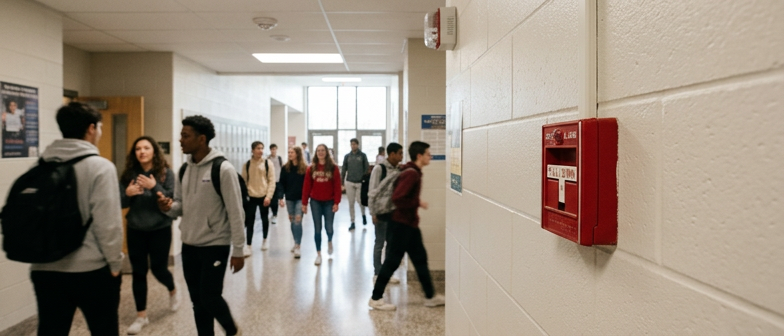
Modern fire alarm systems are integrated safety networks that detect fire early and alert people before conditions become life‑threatening. At the core of any fire alarm are sensing devices such as smoke and heat detectors, and sometimes flame or gas detectors, all connected to a central control panel. When a detector senses abnormal smoke, heat, or combustion by‑products, it sends a signal to the panel, which evaluates the event and decides whether to trigger an alarm. Industrial fire alarm systems often add specialized detection for harsh environments, where dust, vibration, or high ceilings make standard sensors less reliable. Across homes, offices, and factories, these systems provide a first line of defense by spotting danger quickly and coordinating the response.
Once the control panel confirms a fire event, it activates notification appliances like sirens, horns, strobes, and voice evacuation speakers so occupants can react and evacuate. In many commercial fire alarm installations, the system also coordinates with other building controls, releasing magnetic door holders, shutting down air handling units to limit smoke spread, or starting smoke control fans. Commercial fire alarm setups and large industrial configurations are often monitored remotely, so a supervising station can contact emergency services if on‑site personnel are not available. Whether it protects a single family home or a complex commercial site, the basic workflow is the same: detect early, verify quickly, notify clearly, and support safe evacuation and firefighting efforts.
When selecting fire alarm devices, focus on how well they match the risks in your building, not on brand names. A small office may use conventional smoke detectors and pull stations, while industrial fire alarm systems often rely on heat or flame detectors and sensors for machinery or hazardous materials. Check listing and approval marks, available sensitivity settings, and how quickly each detector type responds to the most likely fire scenarios, from slow, smoldering fires in storage areas to fast‑moving flames in process equipment.
A practical fire alarm equipment guide also evaluates notification appliances and control panels. Horns, strobes, and speakers must be loud and bright enough for the space, with suitable candela ratings and sound levels for high ceilings, background noise, and people with hearing or visual impairments. For larger commercial fire alarm systems in the United States, the panel should support multiple zones, building networks, and integration with sprinklers, elevators, and HVAC shutdown. Confirm that the system can be expanded over time and that replacement parts and compatible accessories will remain available.
Because commercial and industrial fire alarm systems must stay reliable for decades, consider ease of installation, testing, and maintenance as part of your choice. Panels with clear displays and intuitive menus reduce troubleshooting time, and devices with status indicators make periodic inspections faster. Make sure local fire alarm companies know the technology you are considering so they can provide code‑compliant design and ongoing support. Ask how the equipment manages power loss, battery backup, and communication with monitoring centers, and favor solutions that combine advanced features with proven reliability and straightforward upkeep.
| Device Type | Typical Use | Best Fit By Building Type | Response Strength | Key Limitations |
|---|---|---|---|---|
| Standard smoke detector | General smoke detection | Small offices, corridors, storage with low dust | High for slow, smoldering fires | Less suitable in dusty or high‑ceiling areas |
| Heat detector | Temperature rise sensing | Kitchens, mechanical rooms, light industrial | Moderate for fast‑flaming fires | Slower for early smoke conditions |
| Combination smoke/heat | Multi‑criteria fire sensing | Mixed‑use commercial spaces | High, more balanced detection | May need careful sensitivity setup |
| Industrial‑grade heat or flame | Harsh or hazardous environments | Industrial fire alarm systems, process equipment | High for rapid flame events | Requires specialized design and commissioning |
| Aspirating or high‑sensitivity smoke | Early warning in challenging spaces | Large commercial networks, high‑ceiling areas | High for subtle smoke levels | Higher complexity and maintenance needs |
Residential fire alarm systems focus on early warning for sleeping occupants, so designers prioritize smoke detection in bedrooms, hallways, and escape routes, along with simple interfaces that any family member can understand. Commercial fire alarm solutions in offices, retail, and mixed‑use buildings must coordinate protection for larger crowds, integrate with emergency lighting and door controls, and follow codes that apply across commercial fire alarm systems in the United States. These properties rely on centralized panels, notification appliances that cover wide areas, and documented maintenance programs to support inspections and regulatory compliance.
Industrial fire alarm systems protect facilities with higher fire loads, hazardous materials, or complex processes, so equipment often includes specialized heat or flame detectors, gas detection, and robust notification suited to noisy production floors. Compared with a typical commercial fire alarm, industrial systems are built to withstand vibration, dust, moisture, and extreme temperatures while also tying into process shutdowns, ventilation controls, and suppression systems. Because an alarm in an industrial plant can trigger costly production stops as well as life‑safety responses, performance, reliability, and precise zoning are emphasized more than in residential or standard commercial applications.
Buying a fire alarm system online is convenient when you want to compare the best fire alarm devices and review specifications on your own. For small offices or simple commercial fire alarm needs, online catalogs help you see which control panels, detectors, and notification appliances work together. Because commercial fire alarm systems in the United States must meet strict codes, always confirm that any equipment you order is listed for its intended use, approved for commercial fire alarm applications, and compatible with your existing panel. Before you pay, read the documentation, check third‑party listings, and make sure the system can support monitoring, zoning, and expansion for future needs, not just a short‑term fix.
For larger facilities or new construction, it is usually better to coordinate any online purchase with a qualified fire alarm company. Professional fire alarm companies design and install commercial systems so they pass inspection and remain serviceable over time. A reputable fire alarm company can explain which components are reasonable to buy online, which should come through authorized channels, and how that choice will affect warranties, support, and ongoing service for your commercial fire alarm system. Share any product links or model numbers you are considering so they can verify compatibility and include those devices in their design, installation, testing, and documentation.
Buying a fire alarm system online can look fast and inexpensive, and comparison tools help you review basic specs and ratings for what seem like the best fire alarm devices. However, most sites focus on individual products, not complete, code‑compliant fire alarm systems, so you or your staff must confirm compatibility, satisfy local regulations, and arrange installation and testing on your own.
Working with a local fire alarm company offers a different kind of value, especially for commercial fire alarm projects. Many fire alarm companies provide risk assessment, system design, help with permits, professional installation, and ongoing inspections and maintenance, while coordinating with local authorities so the entire fire alarm setup functions as a documented, reliable life‑safety system.
Professional installation is critical for any modern fire alarm because accurate detection, reliable signaling, and code compliance depend on how the equipment is designed and wired. A qualified fire alarm company assesses the building’s size, layout, occupancy, and risk profile, then recommends either a commercial fire alarm setup or a more rugged industrial fire alarm system where heavy machinery, dust, or chemicals are present. During installation they plan detector locations, run and terminate cabling, connect notification appliances, and program the control panel so zones are identified correctly and the system initiates the right response, reducing nuisance alarms and helping the entire network function properly in an emergency.
Local expertise matters because fire codes, permitting, and inspections can vary from one community to another. In a town like Vandergrift, a contractor experienced in fire alarm installation understands the specific requirements enforced by the local authority having jurisdiction, coordinates with inspectors, and schedules testing so the system passes acceptance checks smoothly. For facilities with larger commercial or industrial fire alarm systems, working with a nearby fire alarm company simplifies ongoing maintenance, annual testing, and upgrades, and helps owners turn broad fire protection guidance into practical steps that fit the site, budget, and day‑to‑day operations.
How do modern fire alarm systems detect and respond to a fire?
They use smoke, heat, or flame detectors connected to a control panel. When sensors detect abnormal conditions, the panel analyzes the signal and, if thresholds are met, activates alarms and notification devices.
What should I look for when choosing the best fire alarm devices for my building?
Match devices to your risks: smoke detection for offices and bedrooms, heat or flame detectors for industrial areas, and listed equipment compatible with your panel. Check approvals, sensitivity options, and response speed for likely fire types.
Is it safe to buy a commercial fire alarm system online for a small business?
It can be, if you verify that all components are listed, code‑compliant, and mutually compatible. Review technical documentation and ensure the system supports monitoring, zoning, and future expansion before purchasing.
Why is professional fire alarm installation important in places like Vandergrift?
Certified installers design detector layouts, wire and program the panel correctly, coordinate notification appliances, and ensure local code compliance, which reduces false alarms and improves reliability in an actual emergency.
What basic fire alarm safety tips should building occupants follow?
Know evacuation routes, never block detectors or sounders, report damaged equipment, and evacuate immediately when the alarm sounds. Regular drills and clear signage help people respond quickly and safely.