
x
If you’re curious about using a continuous glucose monitor without a prescription, you likely want clarity on cost, wear time, and what OTC devices can and cannot replace. This guide helps you compare nonprescription CGMs with prescription options, including access, app features, and return policies.
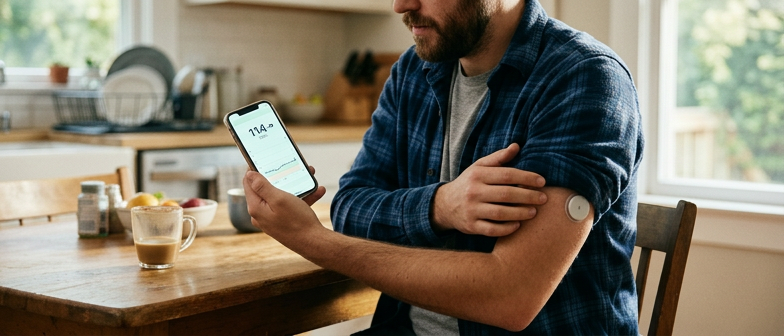
Buying a continuous glucose monitor without a prescription means choosing an over‑the‑counter system that regulators have cleared for consumer use. These CGMs are aimed at adults who want to see glucose trends for general health and to understand how meals, activity, stress, or sleep influence their readings. They usually rely on a phone app for real‑time data and offer shorter sensor wear than many clinical systems. They are not cleared as a sole tool for insulin dosing or complex treatment decisions, whereas prescription CGMs are part of a diabetes care plan and used under professional supervision.
Because these products are classified as consumer devices, eligible adults can typically buy them directly from retailers or manufacturer websites without visiting a prescriber first, provided they follow the age and use conditions in the labeling. People who use insulin or have diagnosed diabetes still need individualized medical advice, and many may be better supported by a prescription CGM chosen and monitored by their care team. Purchasing an over‑the‑counter CGM does not replace evaluation or treatment, and anyone who notices worrisome glucose patterns should share the data with a clinician when considering long‑term management options.
Over‑the‑counter continuous glucose monitors are sold as consumer devices, usually as starter kits or single sensors rather than through insurance billing. A kit commonly includes at least one sensor and access to the app, but the total price varies by brand, how many sensors are included, and current promotions. Without insurance coverage, users pay the full retail amount, which can be similar to other health wearables yet still require planning for repeated use. It is useful to check whether the listed price covers only the sensor or also the applicator, packaging, and app access, and to compare this with what a prescription CGM might cost through insurance or paying out of pocket.
Sensor wear time strongly affects overall value. Most nonprescription CGM sensors have a set wear period, often around two weeks, and are intended for single use, so a removed or expired sensor cannot be reapplied. Comparing devices by how many days of continuous monitoring each sensor provides helps translate the up‑front payment into a rough daily cost. People interested in short‑term pattern tracking may choose a one‑time purchase for a single sensor, while those planning ongoing monitoring need to factor in the continuing expense of buying replacement sensors at regular intervals.
Nonprescription CGMs can often be found through manufacturer websites, large online marketplaces, and some chain pharmacies. Stock varies by area, so checking pharmacy websites or calling ahead can clarify whether a nearby location has devices available for in‑store purchase. Many brands provide online store locators showing partner retailers, which can help identify options close to home. When deciding where to buy, some users also look at delivery times, refund rules for unopened products, and how easy it is to reach customer support, since these practical details influence the overall experience as well as the technical performance of the sensor.
| OTC CGM Option Type | Cost Predictability Without Insurance | Sensor Wear Time Pattern | Best Fit User Scenario |
|---|---|---|---|
| Single Sensor Purchase | Low long‑term predictability | Short fixed wear period | Curious first‑time adult tester |
| Starter Kit With Multiple Sensors | Moderate predictability | Sequential short wear periods | Adult planning several weeks of tracking |
| Occasional Repeat Purchases | Variable over time | Intermittent monitoring blocks | Wellness‑focused user checking patterns periodically |
| Planned Ongoing Purchases | Higher predictability with budgeting | Continuous rotation of sensors | User wanting steady long‑term trend data |
| Pharmacy In‑Store Purchase | Depends on local pricing | Same wear as branded sensor | Buyer who prefers immediate pickup near home |
| Manufacturer Online Store | More transparent listed pricing | Standard branded wear duration | Buyer comparing options and return rules online |
When buying an over‑the‑counter CGM sensor, check both the retailer’s return rules and the manufacturer’s policy for defective devices. Many retailers restrict returns on opened medical electronics, so you may only be able to return unopened boxes within a set time frame and with proof of purchase. Manufacturers usually manage sensor failure separately, often asking users to contact support, share device details or app data, and describe the problem. Their terms define what counts as a covered malfunction, how quickly a replacement is sent, and whether shipping is included, so reading these conditions in advance can reduce frustration if you experience signal loss, early sensor shutdown, or other technical issues.
For people who use insulin or have complex diabetes care needs, working with a clinician to obtain a prescription continuous glucose monitor can provide closer medical oversight than relying only on over‑the‑counter devices. Prescription CGMs are often linked to routine visits, where a clinician reviews glucose patterns, adjusts treatment, and helps interpret data. When you ask how to get a CGM prescription, you usually start by describing your daily glucose challenges, episodes of low or high blood sugar, current medications, and your goals for using a monitor. Clinicians consider your type of diabetes, use of injections or a pump, history of hypoglycemia, and comfort with using health technology before recommending a device. Adults who do not use insulin sometimes choose nonprescription CGMs, but those who depend on insulin often benefit from this structured support.
To move forward with a prescription CGM, most people schedule an appointment with a primary care clinician or an endocrinology specialist and raise the topic directly. During the visit, you can discuss which CGM systems work with your phone or insulin regimen, how often sensors need replacement, and what training or follow‑up is available. The clinician may send a prescription to a pharmacy or medical equipment supplier, and insurance coverage or prior authorization is determined by your health plan’s rules. If you are looking for a CGM prescriber nearby, common options include established primary care offices, diabetes clinics, and telehealth services that manage chronic conditions. Each practice has its own process, so it is useful to ask about required documentation, appointment wait times, and how frequently your CGM data will be reviewed once you start.
For adults considering a continuous glucose monitor without a prescription, the key difference is convenience versus medical oversight. Over-the-counter CGMs are usually bought as single sensors for short-term tracking, without formal diabetes care. Prescription CGMs are chosen within an ongoing treatment plan, where a clinician reviews the data, adjusts medications, and considers other health factors, which is especially important for people who use insulin or other drugs that lower blood glucose.
Cost and purpose also guide this choice. Nonprescription CGMs are typically paid entirely out-of-pocket, so adults weigh the one-time price and sensor wear time against their budget, especially if they expect repeat use. Prescription devices may have partial insurance coverage when eligibility rules are met, but copays and approvals differ by plan. People seeking brief insight into glucose patterns often use nonprescription options, while those managing diagnosed diabetes long term usually discuss prescription systems with a healthcare professional.
Most over the counter continuous glucose monitors link to a smartphone app that shows your current glucose, trend arrows, and recent history. Many apps let you tag food, activity, or medicines and review patterns over days, sometimes with customizable alerts for levels that are higher or lower than your chosen range and simple summaries you can share with a clinician. Some products are aimed at general wellness and avoid dosing advice or pump integration, so their displays and notifications are meant for tracking rather than treatment decisions. Before using any app to adjust insulin or other drugs, it is important to read the instructions for use and discuss with a healthcare professional how to interpret graphs, alerts, and reports as part of your personal care plan.
Common technical problems involve signal or sensor performance. If data dropouts or connection loss appear, check that Bluetooth is enabled, the phone and sensor are within the recommended range, and the app and operating system are updated; reopening the app or restarting the phone may help. Moisture, bumps to the sensor, or aggressive battery saving settings can interfere with communication, so make sure the sensor is secure and consider relaxing power saving options. When readings do not match how you feel or a recent finger stick value, follow the product’s safety guidance, usually including confirmation with a glucose meter before changing treatment and seeking medical advice if values stay confusing. If a sensor fails before its stated wear time, manufacturers typically ask users to contact customer support, provide package and lot details, and describe how the device was used so they can decide whether replacement under their official policy is appropriate.
What does it mean to buy a CGM without a prescription?
It means purchasing an over‑the‑counter CGM that is cleared for consumer use, mainly for adults tracking glucose trends and lifestyle effects, not as the sole tool for insulin dosing.
How much does an over‑the‑counter CGM usually cost without insurance?
You generally pay full retail for starter kits or single sensors. Costs vary by brand, number of sensors, and promotions, and should be compared with potential prescription CGM costs through insurance.
How long can you typically wear an OTC CGM sensor?
Wear time is usually shorter than many prescription systems and depends on the product, so users should check the labeled duration and plan for regular replacement if they want ongoing tracking.
What should adults who use insulin consider before choosing an OTC CGM?
Insulin users should discuss CGM options with a clinician, since prescription CGMs are integrated into a treatment plan, with professional review of data and support for adjusting doses safely.
How are return and replacement policies handled for OTC CGM sensors?
Retailers often limit returns of opened devices, while manufacturers usually handle sensor failures through customer support, reviewing device details and defining when a replacement is sent.