
x
When you plan an ASRS project, installation lead time often determines disruption, cost, and risk. This overview helps you weigh schedule drivers, site readiness, integration and commissioning needs, and how ASRS timelines and budgets compare with high‑density static storage and replacement projects.
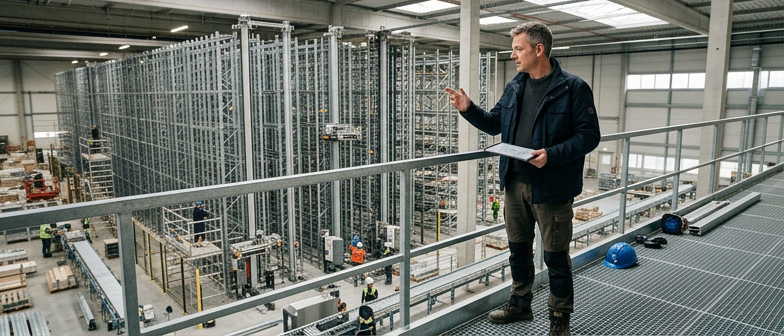
The timeline for installing an automated storage and retrieval system is driven by design complexity and project scope. New installations in undeveloped space usually move faster than replacement projects in active facilities, where existing operations and structures limit layout choices. Required storage density, throughput, and load types determine the number of aisles, cranes, or shuttles, influencing engineering and manufacturing duration. Building height, floor loading capacity, and seismic conditions affect rack design, permitting, and safety reviews, while local regulations, utilities, and landlord approvals explain why similar systems can reach go-live dates months apart in different sites.
Lead time is also shaped by how effectively the project is coordinated across technical trades and business stakeholders. Careful planning for shutdown windows, inventory moves, and cutover is critical when the system replaces current storage, because schedule conflicts can extend the replacement timeline. Interfaces with warehouse software, conveyors, sortation, and production lines add dependencies for integration testing and operator training before commissioning. Vendor capacity and component availability further tighten or stretch the calendar, so projects that look alike in scope may follow different schedules unless there is a clear, shared plan for installation and start-up.
Preparing a site for an automated storage and retrieval system directly affects installation lead time, because work cannot start until the building and infrastructure can safely support the equipment. A practical site readiness checklist focuses on structural capacity and clear heights, floor flatness and load ratings, and clear access routes for heavy components. Power, grounding, data cabling, and network reliability should be installed and tested, and some projects need control-friendly conditions for dust, temperature, or humidity. Fire protection, egress, local code approvals, and coordination with any conveyor or pallet handling interface are common schedule gates, and late discoveries such as limited electrical capacity or blocked paths often extend the installation timeline.
Facility layout decisions influence both system feasibility and how long installation and commissioning take. Designers review product flow, operator movement, and maintenance access to define equipment zones and avoid congested or unsafe traffic patterns. Layouts must reserve space for control cabinets, safety fencing, emergency access, and logical tie-in points with conveyors, docks, or production lines. When the building layout is finalized before hardware is ordered, vendors can fabricate structures to real dimensions and reduce rework. In contrast, late changes to column usage, mezzanines, or staging areas may require redesigns, new permits, or utility relocation, which can push out the ASRS installation lead time.
| Readiness Checkpoint | Impact on Installation Lead Time | Typical Risk Level | Recommended Action Priority |
|---|---|---|---|
| Structural capacity and clear height verified | Shortens design and approval steps | High | Address before final ASRS layout |
| Floor flatness and load ratings documented | Reduces rework during rack install | High | Confirm with supplier specs early |
| Power, grounding, and data cabling tested | Prevents start‑up delays | High | Complete before equipment delivery |
| Clear access routes for heavy components | Avoids staging and handling bottlenecks | Medium | Plan paths and staging zones in advance |
| Fire protection, egress, and code approvals | Controls permit and inspection timing | High | Coordinate with authorities and integrator |
| Conveyor and pallet interface tie‑in points defined | Speeds integration and commissioning | Medium | Align with conveyor contractor during design |
A practical site readiness checklist for an automated storage and retrieval system starts with the building. Verify floor flatness, load capacity, ceiling height, and column spacing against supplier requirements, and complete any structural changes before equipment arrives. Plan power, network cabling, and control panels so ASRS, conveyor tie‑ins, and existing machinery connect without last‑minute rerouting. Review fire protection, egress, safety zoning, and guarding with local code officials and the integrator, define data and control handoffs with material handling contractors, and ensure staging, debris removal, and commissioning access are scheduled to protect the installation lead time.
Cost forecasting for an automated storage and retrieval system is tightly linked to installation timing because major budget items depend on how the schedule is structured. A preliminary installation cost estimate typically covers equipment, software, engineering, and on-site labor, and each can shift with a more aggressive or relaxed timeline. Compressed schedules may require overtime, extra crews, or overlapping work, increasing labor and construction overhead. Longer timelines can lower peak labor demand but extend site management costs such as coordination, permits, and temporary utilities, so planning focuses on the total cost of time rather than daily rates alone.
When organizations seek pricing for a new ASRS, they usually consider how it compares with other high-density storage options, including shuttle systems or conventional racking. Traditional storage installations generally have lower upfront hardware and installation expenses and can be completed with standard material-handling contractors. Automated systems add longer-term value factors such as reduced manual handling, higher space utilization, and predictable performance, which only become clear over the life of the facility. Comparing cost therefore calls for a lifecycle view that weighs installation expense and timing against ongoing operating costs, ability to adjust to future needs, and expected throughput.
Because budget and schedule are closely interdependent, an ASRS proposal is often treated as a planning exercise rather than a single price figure. A thorough request for a system quote or design typically specifies target go-live dates, shift patterns, seasonal demand, and any construction or site readiness milestones that could affect installation. Integrators then use this information to phase design, manufacturing, installation, and testing into a timeline with aligned budget ranges. Adjusting milestones, scope, or performance targets is a common way to balance financial limits with the need to achieve a reliable commissioning date.
| Option | Installation Timeline Profile | Upfront Cost Profile | Lifecycle Cost Perspective | Best-Fit Use Case |
|---|---|---|---|---|
| ASRS | Longer, phased design and commissioning | Higher, driven by equipment and engineering | Lower per unit handled over time | High throughput, space-constrained facilities |
| Shuttle-based automated storage | Moderate, modular rollout possible | Medium to higher, scalable hardware | Balanced, flexible for future expansion | Growing demand with changing SKU mix |
| Conventional high-density racking | Shorter, standard contractor installation | Lower, simple hardware and labor | Higher labor and handling over time | Stable demand, manual handling acceptable |
| Hybrid ASRS plus conventional storage | Moderate, staged implementation | Medium, targeted automation zones | Optimized mix of operating and capital costs | Facilities with mixed velocity inventory |
When organizations compare automated storage and retrieval systems with non-automated high-density storage, implementation time is a primary distinction. ASRS projects require design, software setup, integration testing, and commissioning, so installation and startup often extend over several months. High-density racking or other static storage is usually quicker because it relies on standard equipment and limited controls, although large installations still need engineering review and phased work.
Cost structures also differ. ASRS combines mechanical equipment, control software, and integration services, creating higher upfront investment but potentially changing labor use and space efficiency. High-density storage typically has lower initial equipment and installation costs yet depends more on manual handling and may need more floor area to achieve similar throughput. Choosing between them involves weighing schedule, budget, and operational impact.
After mechanical installation, an ASRS must be integrated with warehouse software, conveyors, and safety controls. A structured integration testing plan usually begins with checks on individual cranes, shuttles, lifts, and control panels, then progresses to end-to-end scenarios that mirror real order flows, replenishment, and exception handling. Interfaces with connected conveyor or sortation equipment are validated, often with a contractor handling tie-in work, alignment, and sensor signals. Typical risks include inconsistent data definitions between systems, congestion at transfer points, and unexpected interactions with existing material handling equipment, so teams rely on clear test scripts, staged transaction volumes, and defined rollback procedures to isolate issues without disrupting the wider facility.
Commissioning follows once integration tests show stable performance and acceptable error rates, combining technical validation with operational readiness. Local commissioning support can be useful because on-site specialists adjust control parameters, refine inventory strategies, and train operators under real workload conditions. Common activities include verifying throughput against agreed targets, confirming safety system behavior, and managing a supervised ramp-up where live orders are gradually moved to the new ASRS. During this period, teams record remaining issues, confirm maintenance routines, and align incident reporting and remote support with site staffing. Commissioning is generally considered complete only after the system runs reliably for a defined period, with clear routines for monitoring, logging, and continuous improvement.
What factors most affect ASRS installation lead time?
Lead time is driven by system size, storage density, building height and floor capacity, permitting and local codes, and whether the project is a new install or a replacement in an active facility.
How should I estimate the installation cost for an ASRS project?
Build a rough estimate that separates equipment, software, engineering, and on‑site labor, then adjust for schedule intensity, overtime needs, and extended project management or permitting costs.
What belongs on an ASRS site readiness checklist?
Include floor flatness and loading, clear heights and column spacing, power and network availability, fire protection and egress, access for heavy equipment, and coordination with any conveyor interfaces.
How does an ASRS installation timeline compare with high‑density static storage?
ASRS typically takes longer because you need design, controls, software integration, and commissioning, while high‑density racking focuses on structural work and is usually installed and started up faster.
What is covered in an ASRS integration testing and commissioning plan?
It usually moves from single‑device tests to full workflows, validates data exchange with warehouse software and conveyors, checks safety zones, and uses staged volumes to uncover issues before go‑live.