
x
Thinking about under eye laser treatment for wrinkles or dark circles but unsure if you’re a candidate, how safe it is for darker skin, or how CO2 compares with erbium? This guide helps you weigh laser vs filler, expected recovery time, costs, and eye protection steps.
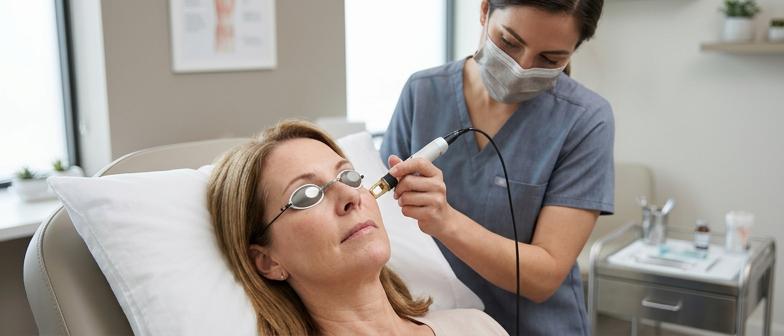
Under eye laser treatment is a form of skin resurfacing performed near the lower eyelids to improve texture and fine lines. It uses focused light energy to create controlled micro‑injuries that stimulate collagen and smoother surface layers. Fractional laser is commonly used around the eyes because it treats small columns of skin while leaving surrounding areas intact, which can support healing while aiming to soften wrinkles and a crepey look. During a consultation about dark circles, clinicians usually determine whether the circles relate mainly to pigment and sun exposure, visible vessels, volume loss, or lifestyle factors, since laser only suits certain causes.
This approach may help rough or uneven skin, sun‑related pigment, and very mild hollowing by slightly tightening the under eye area, but it does not replace surgery or correct deeper structural changes. When hollow under eyes are the main concern, laser is often compared with options such as fillers or surgery, and patients are reminded that laser cannot rebuild missing fat or bone, though it may refine the skin over those hollows. Safety is central, including eye protection shields, cautious energy settings, and realistic expectations. Overall, under eye laser is one possible tool for fine lines, texture issues, and selected types of dark circles, with results that vary by anatomy and skin response.
CO2 and erbium lasers can both soften fine lines and rough texture under the eyes, but they differ in how much heat they create and how deeply they resurface. CO2 systems usually reach deeper and generate more thermal effect, which may give more visible smoothing of etched wrinkles and crepey skin, especially when fractional settings are used for eye-area resurfacing. That same heat can increase tightening, yet it is also linked with longer redness and swelling and a higher chance of pigment changes or scarring if the energy level and skin type are not well matched. Erbium devices remove thinner layers with less heat, so they are often considered more precise and conservative, with shorter recovery and a somewhat lower risk of color change, though they may not improve very deep wrinkles or marked laxity as much as an aggressive CO2 approach.
Selecting between CO2 and erbium treatment under the eyes usually depends on complexion, wrinkle depth, and tolerance for downtime. Fair to medium skin with noticeable sun damage may be considered for stronger CO2 resurfacing, while individuals who tend to develop hyperpigmentation or who have milder texture issues are more often guided toward erbium or cautious fractional parameters. Because the lower eyelid skin is thin and close to the eyeball, strict eye protection is essential for any laser; practitioners use specialized shields and carefully control the energy to reduce the risk of injury to the eye or nearby structures. A thorough pre-treatment visit that reviews medical history, eye health, and expected results helps determine whether CO2, erbium, or another option is the most suitable choice for a specific under-eye concern.
| Laser Type | Typical Under Eye Goals | Intensity & Downtime | Risk Level for Pigment Change | Best Fit Patient Profile |
|---|---|---|---|---|
| CO2 (fractional or ablative) | Etched wrinkles, crepey texture, mild tightening | Higher intensity, longer downtime | Higher, needs cautious parameter setting | Fair to medium skin with noticeable sun damage |
| Erbium (fractional or light ablative) | Fine lines, subtle texture smoothing, conservative refresh | Moderate to low intensity, shorter downtime | Lower, still needs careful monitoring | Patients prone to hyperpigmentation or seeking milder change |
| CO2 around lower eyelid | Stronger resurfacing when laxity is present | Prolonged redness and swelling more likely | Requires careful skin type selection | Those accepting more recovery for visible smoothing |
| Erbium around lower eyelid | Precision contouring of thin eyelid skin | Faster return to daily activities | Generally more conservative profile | Those prioritizing safety and shorter healing |
| Either CO2 or Erbium | Under eye wrinkle softening with eye protection | Adjusted to match goals and tolerance | Varies by settings and complexion | Decided after detailed lower eyelid consultation |
Under the eyes, traditional fully ablative CO2 laser removes the full surface layer in one pass, which can smooth wrinkles and crepey texture but leaves a larger raw area and usually leads to more oozing, crusting, and a longer, more intense recovery. Fractional resurfacing creates a pattern of microscopic treated spots separated by intact skin, so the barrier repairs faster and healing is more predictable in this delicate region. For fine eye wrinkles, fractional methods often give controlled texture improvement with lower risk of scarring, pigment shifts, or prolonged redness. Recovery time is still noticeable, typically a few days of swelling and bronzing followed by about one to two weeks of pinkness, but many people return to basic daily activities sooner than with fully ablative treatment when they follow advice on gentle cleansing, sun protection, and avoiding irritation.
Under eye laser procedures are usually considered for adults with fine lines, wrinkles, texture changes, or some types of dark circles who prefer a non‑surgical option. Ideal candidates tend to have mild to moderate aging rather than very loose lower eyelid skin that might be better treated surgically. Eye health also matters: vision should be stable, there should be no active infections, and the person must be able to keep the eyes still while they are shielded. During consultation, the clinician reviews your goals and explains that laser resurfacing can improve skin quality but will not completely remove every under eye concern.
Skin type and natural pigment strongly influence whether laser around the eyes is appropriate and how it is performed. A careful check of skin type helps estimate the risk of scarring or color change. Many people with darker skin can be treated, but the practitioner may choose gentler or fractional settings to lower the chance of darkening or lightening of the skin after treatment. A history of keloid scarring, pigment disorders, or use of medications that increase light sensitivity is discussed, and in some cases alternative treatments are recommended instead of eyelid laser.
General medical health and eye safety measures further determine eligibility. Conditions such as uncontrolled diabetes, autoimmune disease, blood‑clotting problems, or recent use of oral isotretinoin can affect healing and may lead a professional to delay or avoid under eye laser. Proper protection of the eyeball is mandatory, typically with metal shields or special contact lenses during the procedure. At consultation, the clinician assesses whether laser alone, or another option such as filler for hollow tear troughs, fits your anatomy and risk profile and helps you weigh potential benefits against possible side effects.
For darker skin, clinicians usually check your skin type before under eye laser treatment to gauge the chance of hyperpigmentation, light spots, or scarring. Laser type and energy are often kept conservative, and you may be advised on sun protection and skincare to help reduce pigment‑related side effects.
Because treatment is close to the eyeball, eye protection is essential, especially if you have sensitive eyes or previous eye disease. Depending on the area, doctors may use external goggles or metal shields under the eyelids. During consultation, they typically ask about dry eye, prior surgery, contact lenses, and vision issues to choose suitable protection and decide if eye‑specialist input is needed.
Recovery after under eye laser follows stages that vary with laser type, treatment depth, and individual skin sensitivity. Fractional procedures often cause short‑term redness, swelling, and a sunburn‑like feeling, then mild flaking as the skin renews over one to two weeks. Deeper resurfacing of the lower eyelids may need closer follow‑up and can leave redness that settles over several weeks or longer. Throughout healing, the eyes and surrounding skin should be protected from bright light and physical irritation. In clinic, approved eye shields are used, and afterward people are usually advised not to rub the area, to wear sunglasses outdoors, and to wait for professional guidance before using contact lenses or eye makeup.
Most effects during recovery are temporary, such as swelling, crusting, and color changes as new skin forms, but infection, scarring, prolonged redness, and lasting pigment changes are possible complications. Individuals with darker skin tones have a higher chance of post‑inflammatory darkening or, less often, lightening of treated skin, so cautious settings, appropriate laser choice, and strict sun protection are important. Aftercare commonly includes gentle cleansing, bland moisturizers, and broad‑spectrum sunscreen once the surface has closed, while avoiding tanning beds and strong exfoliants or retinoids until a clinician confirms they are appropriate. New vision symptoms, severe pain, or rapidly worsening redness should be assessed urgently, as they may indicate eye injury or infection rather than routine healing.
What can under eye laser treatment realistically improve?
It can soften fine lines, crepey texture, and some pigment‑related dark circles, but it does not replace surgery for very loose eyelids or fix hollow tear troughs on its own.
How do CO2 and erbium lasers under the eyes compare?
Fractional CO2 usually gives stronger smoothing and tightening with more downtime and pigment‑change risk, while erbium is gentler, with shorter recovery but less effect on deep wrinkles.
How do I know if I am eligible for under eye laser resurfacing?
You are generally considered a candidate if you have stable eye health, no active infection, mild to moderate wrinkles or texture changes, and realistic expectations after medical evaluation.
Is under eye laser safe for darker skin types?
It can be, but requires careful skin type assessment, conservative settings, strict sun protection, and monitoring, because darker complexions have a higher risk of hyperpigmentation or light spots.
Should I choose laser or filler for hollow under eyes and tear troughs?
Laser improves surface texture and fine lines, while fillers mainly address hollowness and volume loss; many treatment plans combine or choose one based on anatomy and specialist advice.