
x
If you’re evaluating tirzepatide for blood sugar and possible weight‑management benefits, it helps to understand how the drug works, typical dosing plans, and how it differs from semaglutide. The overview is informational only and should be paired with guidance from a licensed clinician.
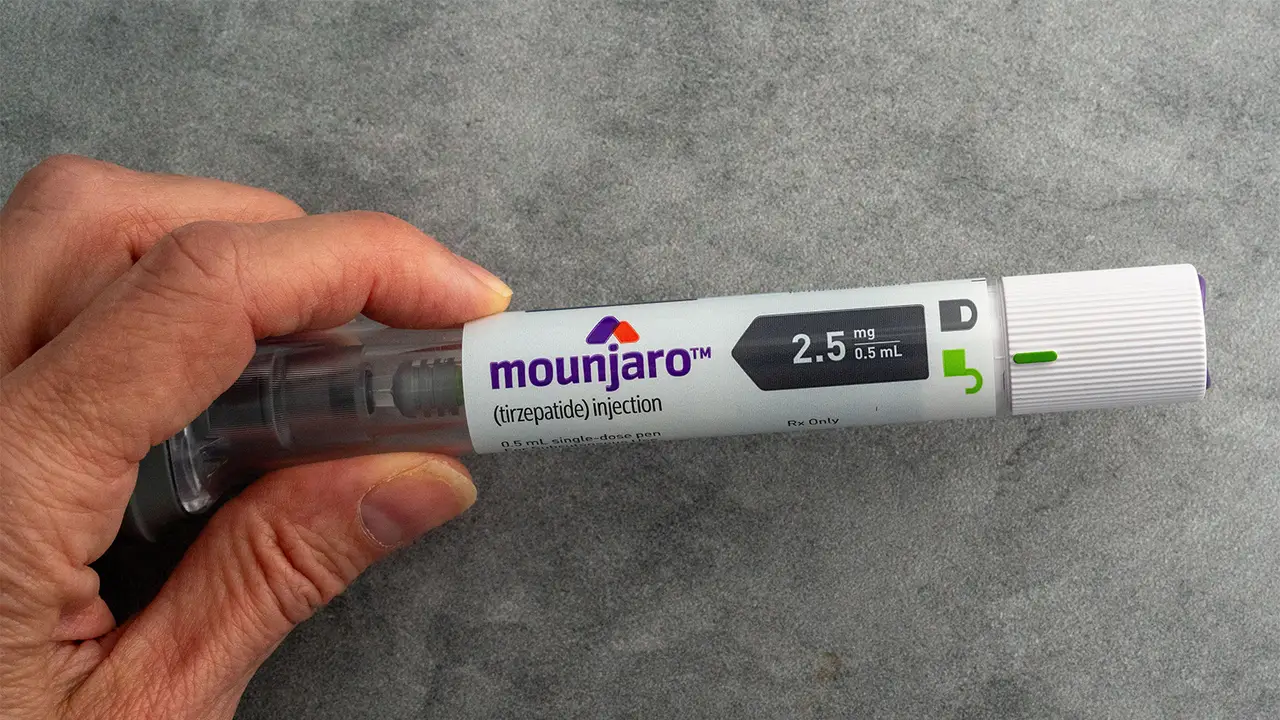
Tirzepatide is a prescription injectable medicine used under medical supervision to improve blood sugar in aduts with type 2 diabetes and may also support metabolic goals such as weight management. Possible Tirzepatide health benefits depend on the person’s overall medical history and a plan created with a licensed clinician. It does not replace lifestyle measures like nutrition, physical activity, and sleep, and it is not for people with type 1 diabetes. This overview is educational only and should not be used to start, stop, or change any medication without personal medical advice.
To understand how tirzepatide works in the body, it helps to know that it acts on two natural hormone pathways: GIP, or glucose-dependent insulinotropic polypeptide, and GLP-1, or glucagon-like peptide-1. These gut hormones are released after eating and help regulate insulin release, glucagon levels, and feelings of fullness. By activating both GIP and GLP-1 receptors, tirzepatide can increase insulin when blood sugar is high, lower sugar production by the liver, and slow how quickly food leaves the stomach, which may reduce appetite. Because this dual action affects blood sugar, digestion, and hunger signals, the medication must be prescribed and monitored by a clinician who can weigh the potential benefits and risks for each person.
When clinicians describe Tirzepatide health benefits, they are referring to outcomes seen in controlled clinical trials, not guaranteed results for every person. This prescription medicine targets hormone pathways involved in blood sugar regulation and appetite. In aduts with type 2 diabetes, studies have shown improvements in A1C, daily glycemic control, and fasting blood glucose for many participants. Some trials have also reported changes in cardiometabolic markers such as blood pressure, cholesterol, and insulin resistance, though the degree of improvement varies widely. These findings point to possible benefits rather than promises of a specific response.
Another major potential advantage is its effect on body weight, often discussed in consumer settings as Tirzepatide weight loss. In clinical studies, many people with overweight or obesity who used it alongside nutrition and physical activity guidance lost more weight than those on placebo. The medication seems to influence appetite, feelings of fullness, and food intake, which can help some individuals reduce calorie consumption. Responses are highly individual, and some patients lose little or no weight even with appropriate use, so tirzepatide is best viewed as one part of a broader, long-term weight management approach.
Researchers are also studying how tirzepatide might affect long-term risks such as cardiovascular and kidney outcomes. Early data suggest it may support a more favorable cardiometabolic profile for some patients, but larger and longer studies are still in progress, and it is too soon to confirm risk reduction. Any potential benefit must be balanced with side effects, contraindications, and the need for monitoring. This information is educational only; decisions about starting, continuing, or stopping tirzepatide should be made with a licensed clinician who understands your medical history and treatment goals.
| Potential Benefit Area | What Tirzepatide May Offer | Key Cautions | Who Might Discuss This With a Clinician |
|---|---|---|---|
| Blood sugar control | Improved A1C and daily glucose patterns | Responses vary; not a cure; requires monitoring | Aduts with type 2 diabetes seeking additional glycemic support |
| Weight management | Support for gradual weight reduction | No guaranteed weight loss; lifestyle changes still needed | People with overweight or obesity already using nutrition and activity plans |
| Cardiometabolic markers | Possible improvements in blood pressure and cholesterol | Evidence still developing; long‑term impact uncertain | Individuals with combined metabolic and cardiovascular risk factors |
| Kidney and heart outcomes | Early signals of potential risk modification | Research ongoing; benefits and risks not fully known | Patients at higher risk of heart or kidney issues under specialist care |
| Overall treatment strategy | Additional option within a broader care plan | Side effects, contraindications, access, and cost considerations | Adluts reviewing medication choices with a licensed clinician |
| General disclaimer | Informational overview of Tirzepatide health benefits | Not personal medical advice; results not assured | Anyone considering Tirzepatide who will consult a licensed clinician |
In clinical studies, people using tirzepatide for type 2 diabetes or obesity often experienced meaningful weight reduction, though results differed between individuals. The potential Tirzepatide weight loss benefit appears related to reduced appetite, smaller meals, and improved blood sugar control, which together may support broader Tirzepatide health benefits such as better metabolic markers. These outcomes come from group averages and cannot predict any single person’s response.
Tirzepatide dosage is individualized and must be set by a licensed clinician based on your health history, other medications, and how you respond over time. Most adluts start with a low once weekly dose so the body can adjust and to lower the risk of nausea and other digestive side effects. Dose changes for blood sugar management and weight related benefits are usually gradual, and decisions to continue, pause, or stop the drg should be made together with your prescriber. This information is for general education only and does not replace personal medical advice.
When people refer to a tirzepatide dosage chart, they usually mean a general outline of the typical starting dose and the stepwise increases that may occur every few weeks if the medicine is well tolerated. Such a chart can illustrate the range from lower doses early in treatment to higher doses that might be considered later, but it cannot substitute for individualized care. Your specific schedule, maximum dose, and how quickly you move between dose levels may differ from standard examples depending on side effects, blood sugar results, and overall health.
In everyday use, tirzepatide is injected under the skin once a week, usually in the abdomen, thigh, or upper arm, rotating sites to protect the skin. A healthcare professional or pharmacist should show you how to store the pens, prepare the injection, and dispose of needles safely before you give it yourself. Regular follow up and lab monitoring help assess your response, guide any dose adjustments, and watch for uncommon but serious reactions, so you should not change, skip, or restart doses without clear medical guidance.
A typical tirzepatide dosage schedule follows a gradual, stepwise plan similar to what you might see in a non-prescriptive tirzepatide dosage chart. Treatment usually starts with a lower weekly dose so the body can adjust and side effects can be watched, then may be increased slowly if it is well tolerated and a higher amount seems appropriate. The specific tirzepatide dosage and timing of each adjustment depend on official prescribing guidance, overall health, and the prescriber’s judgment, and should never be copied from someone else’s plan.
Any chart or example is for general education only and must not be used to self-direct injections or change your own tirzepatide dosing. Raising the amount too quickly, skipping steps, or going beyond what was prescribed can increase side effects without improving results. Decisions about starting, stopping, or changing this medicine belong with a licensed clinician who knows your medical history, other medications, and treatment goals.
Tirzepatide and semaglutide are injectable prescription medicines used to manage blood sugar and, for some patients, long‑term weight control. The key difference between tirzepatide and semaglutide is how they act on gut hormones. Tirzepatide activates both GIP and GLP‑1 receptors, while semaglutide targets only the GLP‑1 receptor. These pathways affect insulin release, stomach emptying, and appetite, which may support weight‑related goals without guaranteeing any specific results. Because their mechanisms are not identical, people can respond differently, so clinicians consider medical history, treatment goals, and side‑effect risks when discussing options.
In practical use, both medicines are usually injected once weekly, but the tirzepatide dosage pattern and dose strengths are not the same as those typically used with semaglutide. A tirzepatide dosage plan generally starts low and increases over several weeks, and semaglutide is also titrated on its own schedule. The most appropriate dose, how quickly it is adjusted, and whether a dual‑hormone drg like tirzepatide is suitable compared with a GLP‑1‑only option depend on kidney function, other medicines, and tolerance of side effects. This overview is informational and does not replace a personalized dosing chart or medical advice from a qualified professional.
What is tirzepatide and how does it work in the body?
Tirzepatide is a prescription once‑weekly injection for adulte with type 2 diabetes and sometimes obesity. It activates GIP and GLP‑1 receptors, helping the body release insulin when glucose is high, slow stomach emptying, and reduce appetite. Use only under medical supervision.
What health benefits have been seen with tirzepatide?
Studies show average improvements in A1C, daily blood sugar patterns, and fasting glucose. Some participants also had changes in blood pressure, cholesterol, or insulin resistance. These are group results, not guarantees; a clinician must review your personal risk–benefit profile.
How does tirzepatide support weight loss?
In clinical trials, many people lost clinically meaningful weight, likely due to reduced hunger, smaller meals, and better glycemic control. Results vary widely, and it should be combined with nutrition, activity, and sleep strategies designed with your healthcare team.
What does a typical tirzepatide dosage schedule look like?
Edults usually start with a low weekly dose that may increase gradually if tolerated. Follow official prescribing information and an individualized plan rather than a generic tirzepatide dosage chart. Only your prescriber should start, change, pause, or stop the dose.