
x
Struggling to turn TikTok views into real sales through TikTok Shop ads? This guide walks through setting up a compliant US seller account, linking your shop and ad profiles, managing payments and affiliates, and comparing ad costs so your shoppable campaigns actually deliver orders.
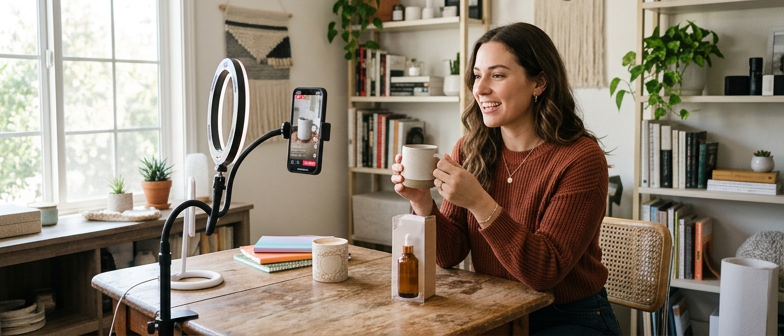
TikTok Shop Ads are native shopping placements that connect short‑form video content directly to products listed in TikTok Shop, turning views into purchases without sending people off the app. Unlike standard traffic or awareness campaigns that mainly drive clicks or views, these shoppable formats use product tiles, real‑time inventory, and in‑app checkout. When you create TikTok product shopping ads, you promote specific items from your catalog so viewers can see price, variations, and shipping details while they watch or scroll. This reduces friction because people can discover, evaluate, and buy in one flow, which can improve conversion compared with sending them to a separate website.
For US TikTok Shop sellers, ad access is tied to platform rules and eligibility. You typically need a compliant business entity, verified identity, and complete tax and payout information before unlocking full ad tools and promotional features. Once those basics are in place, TikTok Shop Ads can run across the For You feed, live shopping, and product detail pages, using the same auction system as other campaigns but optimized for catalog sales and checkout inside TikTok. Understanding this structure helps you plan creative, budgets, and product selection so your ads reach the right audience, meet policy standards, and support a seamless shopping experience.
Before running TikTok Shop ads, you must meet the core US TikTok Shop seller requirements. That includes a registered business or sole proprietorship, valid ID, accurate product data, and the ability to ship orders and handle returns under platform rules. These basics tie directly to advertising, because your products, creatives, and claims must match what appears in your shop catalog. Incomplete or inconsistent business details or listings reduce ad approvals and can lead to enforcement that pauses campaigns or even suspends your shop.
Tax and payout setup are also essential. During onboarding you will encounter TikTok Shop W-9 requirements, which the platform uses to collect taxpayer information and report eligible payouts to the IRS. You also need to add a bank account to TikTok Shop that matches your legal or business name so revenue from both organic and paid orders can be settled correctly. When your W-9 details, banking information, and shop profile align, reviews move faster and it becomes easier to track how ad performance translates into actual income.
After your account and payment details are in place, focus on ad readiness and policy compliance. Your shop must be connected to the ads manager account so the catalog can sync and you can create product-focused campaigns without manual duplication, and this connection is smoother when all fields are complete and compliant. Many sellers seek TikTok Shop ads compliance help when they face disapprovals around product claims, restricted items, or missing disclosures, because these problems can stop delivery even when the technical setup looks correct. Treat compliance as ongoing, checking policies before launching new offers so campaigns keep running instead of being interrupted.
Start by linking your main TikTok account to your TikTok Shop so your profile, catalog, and tracking work together. Sign in with the same owner account, allow the shop to use your handle, and make sure your business details match your ad account to prevent verification issues when you connect the shop to your ad account.
Next, add a bank account to TikTok Shop so payouts and ad charges are handled smoothly. Use a business account that matches your legal entity, enter routing and account numbers carefully, and confirm any micro‑deposits or identity checks so your financial setup is ready for TikTok Shop ads.
To get the most from TikTok Shop ads, first connect your shop to your main ad account so product data, tracking, and reporting stay aligned. Verify your business information, then authorize the ad account inside the seller dashboard and confirm the link from the ads manager side. Once connected, you can import product catalogs into campaigns, use shopping-focused formats, and manage creative and budgets in one place. If you already use a personal or creator profile, make sure that TikTok account is correctly linked to your shop profile so ownership, permissions, and ad access are clear for everyone on your team.
After the shop and ad account are linked, you can scale with partners. Many brands turn to TikTok Shop affiliate management support to organize creators who promote products on commission and to control how they use product links and promo codes. If you want hands-on help with strategy and optimization, you might look for a TikTok Shop ads agency near you, but focus more on whether they understand shoppable video formats, conversion tracking, and commerce ad rules than on location. Clear contracts, defined KPIs, and shared dashboards keep affiliates, your internal team, and any agency working from one connected TikTok Shop advertising setup.
| Management Option | Best For | Strengths | Limitations | Control Over TikTok Shop Setup |
|---|---|---|---|---|
| In-house team | Brands with internal media skills | High alignment with brand voice | Requires ongoing training | High |
| TikTok Shop ads agency | Brands needing expert scaling | Deep platform and tracking knowledge | Higher dependency on external partner | Medium |
| Freelance affiliate manager | Shops focused on creator sales | Flexible creator relationships | Less structured reporting | Medium |
Start by checking your internal skills and time for running TikTok Shop Ads. If your team understands short-form video, product feeds, and ad optimization, in-house management gives you direct control over creative tests and budgets and suits brands ready to learn in the TikTok Ads interface and iterate quickly.
When you look for a TikTok Shop ads agency near you, prioritize proven results in commerce campaigns over location. Ask how they handle tracking, catalog setup, and the path from view to purchase, keep ownership of your ad accounts and data, and make sure they support your existing creators or marketers so your brand voice stays consistent while they manage the technical work.
If you prefer support with TikTok Shop affiliate management instead of a full-service agency, let creators drive most content and traffic while you or a specialist handle commission rules, onboarding, and performance reviews. This option fits sellers who can manage basic ads internally but want structured help recruiting, tracking, and motivating partners who promote your TikTok Shop products at scale.
When you plan budgets for TikTok Shop ads, start with one clear goal such as first‑time purchases or retargeting past buyers, then work backward from the revenue you expect. Decide how much you can afford to pay for each order, and use a TikTok Shop ads cost calculator or a simple spreadsheet to model different spend levels and return on ad spend scenarios. As you create TikTok product shopping ads, split your budget between testing new creatives and scaling the audiences and formats that already convert, and review performance in short cycles so you can shift spend quickly instead of locking into a fixed monthly plan.
To compare TikTok Shop ad costs with other channels, look past headline prices and focus on effective cost per acquisition and net profit after platform fees and discounts. Keep tests fair by using similar audiences, offers, and creative quality across platforms, then evaluate cost per click, click‑through rate, and conversion rate together. Connect your TikTok Shop to your ad account so you can track orders and returns accurately, tag each campaign by goal such as prospecting or retention, and steadily move budget toward placements and formats that beat your efficiency targets while reserving a small amount for ongoing experiments.
How do TikTok Shop ads differ from regular TikTok campaigns?
TikTok Shop ads pull products from your catalog and show shoppable tiles with in‑app checkout. Regular campaigns mostly send viewers to an external site or landing page instead of a native shopping flow.
What must US sellers have before running TikTok Shop ads?
You need an approved TikTok Shop seller account, business or sole‑prop details, W‑9 tax info, valid ID, accurate product data, and shipping and return terms that match what you promote.
How do I connect my TikTok profile and ad account to my Shop?
In TikTok Shop Seller Center, link your main TikTok account to the Shop, then authorize your TikTok Ads account and sync the product catalog so you can create product shopping campaigns.
What should I check if my TikTok Shop ads are not delivering?
Make sure ads are approved, items in stock, budget and bids sufficient, and targeting not overly narrow. Also confirm policy compliance, creative quality, and that the Shop–ads connection is active.
How can I estimate and compare TikTok Shop ad costs?
Use a cost calculator or simple spreadsheet to model spend, CPC or CPM, and conversion rate. Compare expected cost per order and ROAS with other channels before deciding budget.