
x
Searching for massage nearby often means you want quick, trustworthy stress relief rather than a luxury splurge. This guide explains how to compare local spas, independent therapists, and relaxation massage methods—such as Swedish sessions or wellness-focused services—so you can match nearby options to your body’s needs.
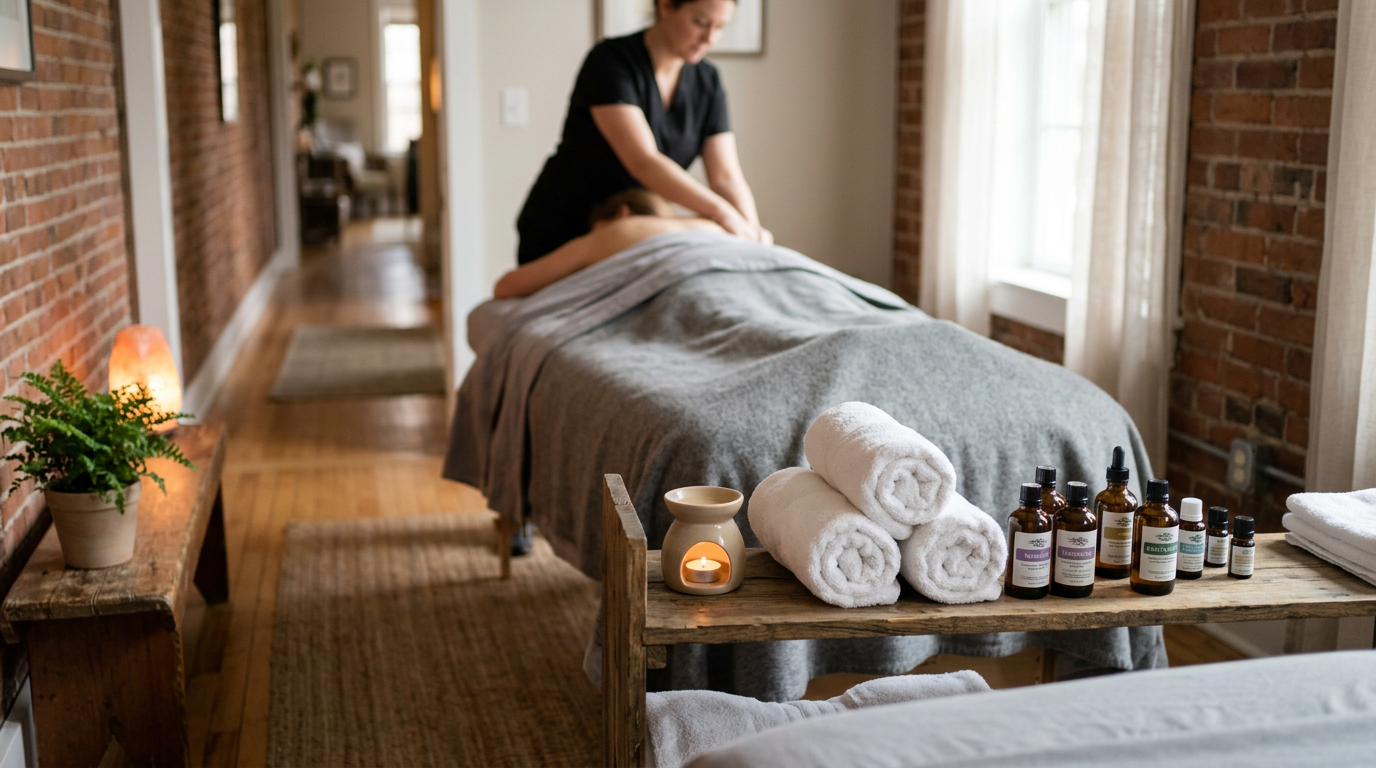
When someone types a phrase like “massage nearby” or “massage nearby near me,” they are usually looking for more than convenience. Many want a local massage therapist who can address everyday stress, muscle tightness from work or exercise, or discomfort from long periods of sitting and screen use. Others are exploring massage as part of a broader wellness routine and prefer options they can reach quickly, such as a neighborhood clinic, spa, or independent practice. In this context, the idea of being nearby reflects a practical need for accessible care, short travel times, and scheduling that fits around work and family responsibilities.
Searching for a therapist close to home or work often reflects clear goals such as relaxation, better sleep, and support with common aches, including tension headaches or mild back and neck pain. Research in clinical and wellness settings indicates that many types of massage can provide short‑term relaxation, reduce perceived stress, and improve mood for some clients, and may ease certain soft‑tissue discomfort when used appropriately. By focusing on services in their own area, people try to make these potential benefits easier to fit into daily life while considering factors like professional training, hygiene, and whether the therapist and setting feel comfortable and consistent with any advice from a health professional.
When people look for wellness massage nearby, they often see a few core styles designed for general relaxation. Swedish massage is one of the best known options, using long gliding strokes, gentle kneading, and circular movements to warm muscles and calm the nervous system. Many spas list Swedish or basic relaxation sessions for clients who want stress relief without strong pressure or complex techniques. These appointments usually combine soft lighting, quiet music, and steady, rhythmic touch that supports slower breathing and overall ease.
Relaxation services at wellness massage centers can also include aromatherapy, hot stone treatments, and light-touch sessions. Aromatherapy massage combines diluted essential oils with standard strokes to create a soothing scent and skin feel, and people with allergies or sensitivities are usually encouraged to discuss oils with the therapist. Hot stone massage uses warmed stones placed on or moved along the body to provide gentle heat that may help muscles soften. Some providers add focused back or neck work with minimal pressure for people who mainly want a calming experience rather than intensive muscle work.
These relaxation massage methods differ from more targeted therapeutic styles such as deep tissue or sports massage. Relaxation sessions emphasize comfort, stress management, and overall calm, relying on moderate pressure and broad, flowing movements instead of intense work on specific problem areas. In contrast, therapeutic appointments may involve firmer pressure, detailed attention to tight muscles, and stretching tailored to a particular concern, which some people find useful but not always restful. When reviewing services at a wellness massage spa nearby, it can help to clarify whether the main goal is easing everyday tension and supporting sleep or addressing localized discomfort.
| Massage type or method | Primary relaxation goal | Pressure level | Best suited for |
|---|---|---|---|
| Swedish relaxation massage | Overall stress easing | Light to moderate | First-time clients, general tension |
| Aromatherapy massage | Sensory calm and mood support | Light | Clients who enjoy scents and gentle touch |
| Hot stone massage | Deep warmth and muscle softening | Light to moderate | People who like heat-based comfort |
| Light-touch calming session | Nervous system soothing | Very light | Those sensitive to pressure or recovering |
| Deep tissue or sports massage | Targeted muscle relief | Moderate to firm | Clients with specific tight areas, less focus on pure relaxation |
On menus in nearby spas and wellness studios, the options highlighted for relaxation are typically gentle, full body sessions. Swedish massage is a common choice, using long flowing strokes, light to moderate pressure, and steady rhythm to help the nervous system settle. Many places add aromatherapy, warm towels, or soft music to support a quiet atmosphere where you can mentally unwind while muscles are eased rather than intensively treated.
Other relaxation massage methods may blend familiar techniques with elements that encourage calm mood. You might see a session themed around joy or comfort, focusing on slower touch and simple breath awareness, or a named signature treatment that emphasizes personal attention and general stress relief. These approaches differ from more clinical or deep tissue work because they are aimed at overall ease, so people often leave feeling calmer and ready to rest.
When comparing massage options near you, start with qualifications and safety. Therapists and spas usually list licenses, training, and professional memberships on their websites or at reception. You can ask how long they have been practicing, which massage styles they use, and whether they have worked with concerns similar to yours, such as chronic muscle tension or mild sports strains. Reading reviews from more than one source helps you form a balanced view of cleanliness, professionalism, and how well staff listen to client feedback.
Then consider whether the services fit your goals. If you mainly want stress relief or better sleep, focus on relaxation‑oriented sessions, such as Swedish or other gentle full‑body massage, instead of deep tissue or sports work. Terms like wellness or comfort‑focused massage usually indicate a softer approach. Ask about music, lighting, and room privacy, and pay attention to how clear the intake questions and communication are, because feeling at ease can affect how restorative the massage experience feels.
Names like Tina S Touch Of Massage, Massage With Joy, or similar spa brands generally express a mood or personal style rather than specific outcomes. Treat them as starting points for research instead of recommendations. Look beyond the branding by reading detailed service menus, checking whether prices and session lengths are explained, and asking how scheduling, cancellations, and health screening are handled. Comparing a few nearby therapists or spas with these practical points in mind can help you find a setting that matches your expectations for a safe, relaxing massage.
Before you book with a therapist nearby, ask about their training, style, and typical techniques, and explain whether you want stress relief, support with discomfort, or general wellness. Clarifying your goals lets the practitioner describe which wellness massage services might fit and whether your needs should be seen by another type of professional.
Also discuss practical and comfort details: what the service includes, session length, price, and policies on cancellations or lateness. Ask how your health history is reviewed, in which situations massage might be postponed, and how privacy and consent are supported through draping and room setup, so you can judge whether the setting feels safe and aligned with your expectations.
When you schedule a wellness massage at a nearby spa or clinic, the visit usually begins with a short check-in and intake form. A staff member or therapist asks about your health history, current stress level, areas of tension, and goals such as general relaxation or easing a specific sore spot. This is the time to mention recent injuries, surgeries, pregnancy, or conditions like high blood pressure so techniques can be adapted. You may also be asked about pressure, music, lighting, and whether you prefer essential oils or an unscented session.
After intake, the therapist reviews the services offered in wellness massage at that location and agrees on a plan with you. In many massage-focused spas this can include a Swedish-style relaxation massage, focused work on the neck, back, or shoulders from desk work, gentle stretching, or options such as added scalp or foot work. Some clinics list specialized sessions, like prenatal or stress management massage. The therapist then steps out so you can undress to your comfort level, lie on the table, and cover yourself with linens before they return.
During the massage, the therapist checks in occasionally about pressure and comfort and encourages you to speak up if anything feels too intense or not helpful. Wellness sessions often emphasize smooth, rhythmic strokes and quiet time to support relaxation. When the massage ends, you usually have a few minutes alone before getting dressed and going back to the front desk. Many therapists share simple aftercare suggestions, such as staying hydrated and noticing how your body feels later, and you can discuss different session lengths or techniques for a future visit if you choose.
When people search for massage nearby, what are they usually looking for?
Most are seeking convenient stress relief and help with everyday muscle tension at a local spa, clinic, or independent therapist they can reach easily from home or work.
What makes Swedish massage one of the best massages for relaxation?
Swedish massage uses long, gentle strokes and light to moderate pressure, which can calm the nervous system, support slower breathing, and create a generally relaxing experience.
How can I choose a massage therapist near me safely and thoughtfully?
Check licenses and training, review multiple online sources for cleanliness and professionalism, and ask whether the therapist has experience with concerns similar to your own before booking.
What questions should I ask before booking a wellness massage session?
Ask about the therapist’s style, typical pressure, and any methods they use for relaxation, and clearly explain whether you want general stress relief, support with discomfort, or overall wellness.
What should I expect during a visit to a nearby wellness massage spa?
You can expect an intake discussion about health history, stress level, and tension areas, plus options for pressure, music, lighting, and whether you prefer aromatherapy or unscented oil.