
x
The promise of a quick yes, a ready-to-use virtual number and effortless online spending can be tempting when your record with lenders isn’t spotless. The same offers that feel like a lifeline can lock you into high costs or habits that keep your score stuck. With a little structure, they can also become a springboard to real progress.
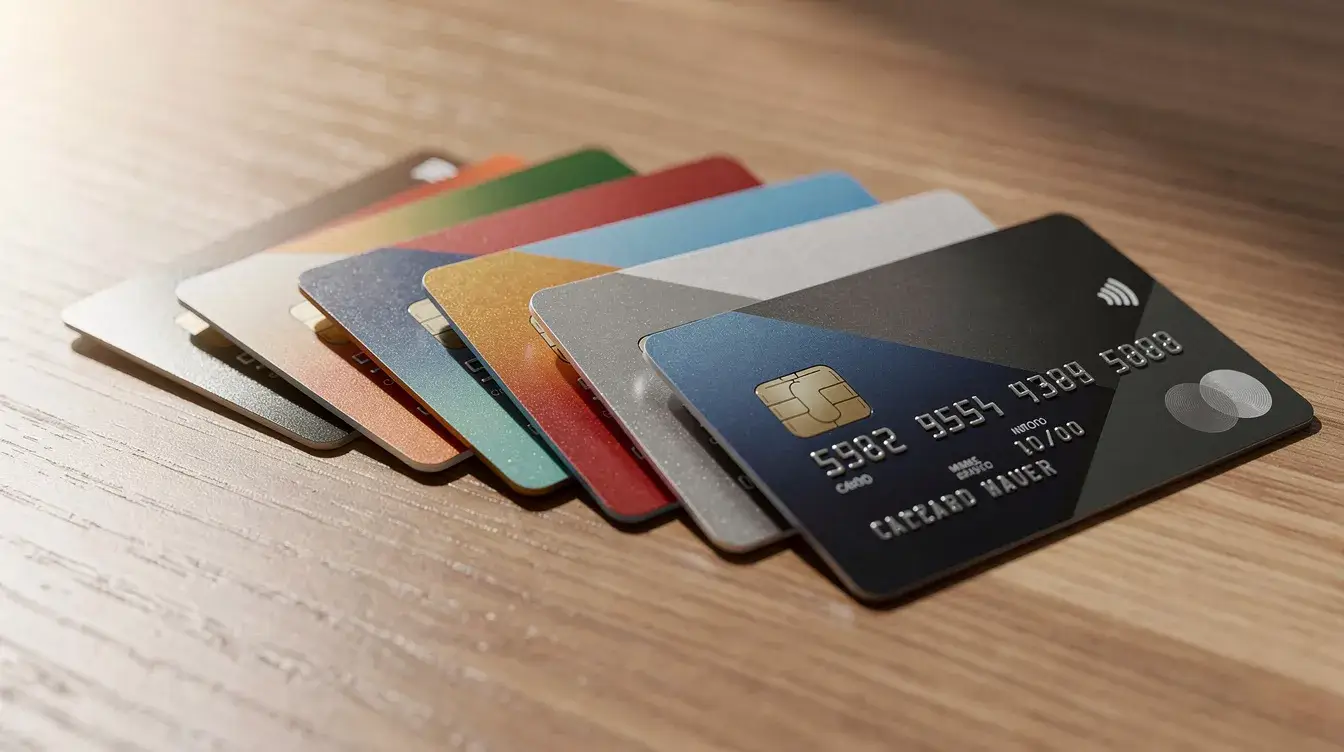
Seeing “apply in minutes, decision in seconds” hits a very human nerve: relief. It looks like skipping a long line when you are already tired and worried. No phone calls, no piles of paperwork, just a bright button and the hope that money will be there when you need it.
That speed also lowers your guard. A short application and a promise of quick access feel easier than sitting with the details of interest charges, late fees, and what happens if your income changes. When bills are piling up or a big purchase is calling your name, it is easy for the card to feel less like a tool and more like rescue.
Urgency narrows your view. When the main question is “Will I get approved today?” it is easy to ignore the bigger one: “What will this account do to my finances in the next few years?” Lenders understand that tension, and the design of fast applications often nudges you toward acting first and reading later.
When a bank or card company lets you create a digital number for online or mobile purchases, it looks like a random string that is separate from the plastic in your wallet. Behind the scenes, though, it is closely tied to a single account in your name.
The network creates a “stand‑in” number with its own expiration date and security code. Stores and apps see only that stand‑in when you pay. In the background, the network keeps a map that links the stand‑in to your real account. Each time you make a purchase, the system swaps the virtual number for the real one, checks your available limit, and either approves or declines.
Some setups generate numbers meant for one purchase and then they expire. Others are locked to a single store, so even if someone copies the number, they cannot easily use it somewhere else.
Even with those protections, risks remain. If a criminal gains access to a digital number that stays valid across many stores and over time, they can still run up charges until you or your bank notice and cut it off.
The information stored by retailers and payment processors also remains valuable. Even when they hold virtual numbers instead of the one on your physical card, attackers can combine those with your email, mailing address, or phone number to craft convincing messages that trick you into sharing more.
There is also a subtle comfort trap. When people believe their details are safer, they might reuse weak passwords across shopping sites, stop checking their statements regularly, or casually save payment info everywhere online. Those softer habits open new doors to trouble, even while the numbers themselves are harder to reuse in mass fraud.
Used with intention, virtual details can be a helpful layer in a broader safety routine: strong passwords, careful sharing of personal info, and a habit of scanning your transactions so small problems do not grow quietly in the background.
Many ads and messages promise shortcuts for people whose past borrowing has not gone smoothly. Phrases like “erase past mistakes,” “guaranteed score jump,” or “instant rebuilding” can sound especially hopeful when you have been turned down elsewhere.
A few common warning signal:
| Offer pattern | Why it often works against you instead of for you |
|---|---|
| Up‑front fees to “repair” reports | Real corrections go through the normal reporting system at no added cost. |
| Vague promises, no clear steps | Hides the fact they are not changing the actual information that matters. |
| Pressure to open many new lines | Multiple new accounts can drag scores down and raise overall costs. |
| “Habits don’t matter” messaging | Tries to sell hope while ignoring payment history and balances. |
These shortcuts skip the slow parts that actually change how lenders view you: steady on‑time payments, shrinking balances, and a longer track record of responsible use.
Tools that support recovery do exist, but they work best as part of a small, clear plan. Rather than chasing every new offer, it helps to decide what role, if any, a new account should play.
A handful of common roles:
No matter which tools you pick, the anchor is the same: you stay in control of the habits. That includes pulling your own reports, checking for genuine mistakes, paying at least the required amount on time, and focusing extra cash on lowering what you already owe rather than filling new space.
Over time, those choices rebuild not just numbers on a screen, but also your sense of trust in yourself around money.
Any revolving line can either support your future or weigh it down, and the difference often comes from a few repeatable moves. Instead of collecting multiple accounts for every store or promotion, many people do better with one main card and a routine that becomes almost automatic.
Think of each purchase as a tiny, short‑term loan you plan to wipe out quickly, not as extra income. Two core habits drive most of the benefit:
Instead of aiming for perfection, aim for consistency. A few slightly early payments and a pattern of modest balances count more than occasional heavy use followed by frantic catch‑up.
Rewards, discounts, and welcome extras can have a place, but they work best as a side benefit rather than the main reason you pull a card out. One way to set boundaries is to pick only a few categories for regular charges, such as groceries or streaming services, and avoid using the card for impulse splurges.
A quick weekly check‑in can keep everything grounded:
| Quick weekly habit | How it supports your long‑term scores and stress level |
|---|---|
| Glance at the current balance | Prevents slow creep toward limits and surfaces mistaken charges faster. |
| Compare planned payment vs income | Keeps room in your budget and reduces the chance of missed due dates. |
| Scan recent transactions | Helps you spot fraud early and notice patterns in your own spending habits. |
When payments hit and balances drop regularly, your history fills up with on‑time marks and low usage. Over months, that pattern can matter more than the exact product name on the card. The same piece of plastic that once felt like a last‑chance offer can then become proof—to you and to future lenders—that you know how to handle borrowing on your own terms.
How do credit cards work when I apply online, and what should I look for before accepting an offer?
credit cards give a quick approval decision and often a temporary virtual number for immediate use. Before accepting, compare APR, fees, starting limit, and whether the issuer reports to all major bureaus. Check grace period rules, penalty rates, and how easy it is to manage the card through a secure online or mobile portal.
Are online credit card applications riskier for people with bad credit than applying in person?
Online applications are not inherently riskier, but people with bad credit may face more aggressive marketing of costly products. Pre‑approval banners and “soft‑pull” checks can disguise high fees and steep interest. Protect yourself by using official bank sites, pre‑qualification tools, and by reading pricing disclosures carefully before submitting personal data.
What features make a credit card one of the “best credit cards” for rebuilding bad credit?
For rebuilding, best credit cards usually have transparent pricing, modest or refundable security deposits, regular credit line reviews, and automatic reporting to all three bureaus. Extra value comes from free credit score monitoring, clear upgrade paths to unsecured cards, and no “junk” add‑on products that raise costs without improving your profile.
Can credit cards with virtual numbers really help my credit score if I have bad credit?
Yes, they can, provided you use them like any other responsible line of credit. Whether purchases run through virtual numbers or the plastic itself, the issuer reports balances and payment history the same way. Keeping utilization low, paying on time, and avoiding cash advances are what create positive score movement over months.
How should I compare online credit cards if I want convenience but currently have bad credit?
Start by filtering for cards designed for fair or bad credit from well‑known banks or credit unions. Compare total annual cost: APR, annual fees, monthly maintenance or program fees, and foreign transaction charges. Prefer cards offering online account tools, automatic payments, and a clear policy on credit limit increases after a record of on‑time payments.