
x
If you’re looking for a CPAP alternative for sleep apnea, a custom oral appliance may control snoring and apnea with less bulk and noise. This guide previews who qualifies, typical costs and insurance or Medicare rules, side effects like morning bite changes, and what to expect at a sleep dentist visit.
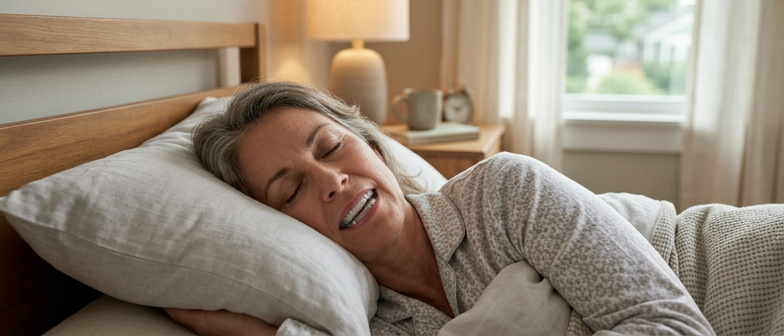
An oral appliance for sleep apnea is a small, custom mouthpiece worn during sleep that repositions your lower jaw and tongue to help keep your airway open. By moving the jaw slightly forward, it reduces the collapse of soft tissues in the throat that causes snoring and obstructive sleep apnea events. A licensed sleep dentist fits the device to your teeth so it is more precise and comfortable than over-the-counter mouthguards. This type of therapy is often considered for mild to moderate obstructive sleep apnea or when someone cannot tolerate traditional continuous positive airway pressure, known as CPAP.
Because it is compact, quiet, and easy to travel with, many patients see this treatment as a practical CPAP alternative for sleep apnea. It does not use a mask, tubing, or a machine, which can make it appealing if you feel claustrophobic or struggle with air pressure. However, oral appliance therapy is not automatically better than CPAP; the best option depends on how severe your condition is, your anatomy, and your preferences. CPAP remains the gold standard for more severe cases, and choosing an oral appliance versus CPAP is usually done after a sleep study confirms your diagnosis and your providers review which option is most likely to control your breathing events safely.
| Aspect | Oral Appliance For Sleep Apnea | CPAP Therapy | Best Fit Patient Profile |
|---|---|---|---|
| Comfort during sleep | Custom fit, no mask | Mask and airflow sensation | Patients prioritizing comfort |
| Effectiveness by severity | Best for mild to moderate | Preferred for more severe | Severity confirmed by sleep study |
| Travel and portability | Compact, easy to pack | Bulkier equipment | Frequent travelers |
| Noise and bedroom impact | Quiet, minimal setup | Machine noise and hoses | Partners sensitive to devices |
| Adaptation challenges | Jaw and bite adjustment | Mask fit and pressure tolerance | Choice guided by tolerance issues |
An oral appliance for sleep apnea is usually best for adults with loud snoring or mild to moderate obstructive sleep apnea who cannot tolerate or prefer not to use CPAP. It may also be used for select patients with more severe apnea who have genuinely failed CPAP, but that requires close medical oversight. Good candidates have generally healthy teeth and gums, a stable bite and jaw, and no major untreated TMJ problems. During an initial sleep apnea appliance consultation, the dental provider reviews your medical history, medications, and symptoms, checks for signs such as tooth wear or jaw soreness, and decides whether an oral device is appropriate or if another treatment should come first.
Before anyone makes or adjusts an oral appliance, you almost always need a sleep study to confirm obstructive sleep apnea and measure its severity. Testing may be done in a sleep lab or with a medically ordered home sleep test, and those results guide whether an oral device is safe and what the treatment goals are. A qualified sleep dentist near you typically works with a sleep physician, using the report to design and fine‑tune the appliance and to plan a follow‑up sleep study after fitting. This teamwork helps prevent under‑treating serious apnea, reduces the chance that side effects are missed, and provides objective proof that the appliance is improving breathing and sleep, not just reducing snoring noise.
At a typical sleep apnea appliance consultation, a qualified sleep dentist near you reviews your sleep study, medical history, and symptoms to confirm that an oral appliance suits your type and severity of obstructive sleep apnea. They examine your teeth, bite, jaw joints, and airway, look for issues like grinding or jaw pain, and may take digital scans, impressions, or X-rays to see whether your mouth can safely support a custom device. You also discuss how the appliance works compared with other treatments and what early changes to expect, including possible side effects such as jaw soreness or tooth movement, so you know what therapy will involve before you decide to proceed.
When you consider an oral appliance for sleep apnea, cost usually includes the initial evaluation, impressions or digital scans, the lab fee to fabricate the custom device, fitting and follow-up adjustments, and periodic checks. In many areas, the total custom oral appliance cost for obstructive sleep apnea often runs in the low-to-mid thousands of dollars before any insurance payments, with higher fees in large metro markets or more complex cases. Because this therapy treats a diagnosed medical sleep disorder, claims are usually filed under medical insurance instead of routine dental benefits.
Whether insurance helps pay for an oral appliance depends on your specific health plan, deductibles, and prior authorization rules. Many insurers treat these devices as durable medical equipment or as a covered sleep apnea treatment, but often require a documented sleep study confirming obstructive sleep apnea and proof that CPAP was tried or at least considered. Coverage is sometimes similar to CPAP, with some plans paying a percentage of the fee and others allowing a set amount. A dentist experienced with sleep apnea devices can review your policy, send a pre-treatment estimate, and clarify how much you are likely to owe.
If you rely on Medicare, it is important to see a Medicare oral appliance dentist who understands federal coverage rules, required documentation, and the proper billing codes. Typical Medicare oral appliance requirements include a qualifying sleep study, a prescription from a physician, and evidence that CPAP is not suitable or tolerated. The Medicare oral appliance billing process must follow strict timing and paperwork standards, and the provider must be enrolled with Medicare. Even with coverage, you may still owe deductibles, coinsurance, or charges above the Medicare allowable, so ask the dental office to review your expected share before treatment begins.
Medicare coverage for an Oral Appliance For Sleep Apnea generally requires a documented obstructive sleep apnea diagnosis from an approved sleep study, meeting Medicare Oral Appliance Requirements for severity, and proof that you cannot tolerate or do not do well with CPAP. The device must be a Medicare-approved custom appliance, provided and fitted by a Medicare oral appliance dentist who is properly enrolled as a DMEPOS supplier.
The Medicare oral appliance billing process usually begins when your Sleep Apnea Appliance Consultation records and sleep study results are sent to the dental office so they can confirm eligibility and verify coverage. They may obtain prior authorization and review expected Medicare payments and your cost share. After the appliance is delivered and fitted, the dentist submits a claim with the correct codes and documentation, and you later receive an Explanation of Benefits showing what Medicare paid and any remaining balance.
Most people adjust well to an oral appliance for sleep apnea, but mild oral appliance side effects are common in the first weeks. You may notice extra saliva, dry mouth, gum soreness, pressure on certain teeth, or temporary jaw stiffness and mild joint clicking. These issues are usually not dangerous and often improve as your sleep dentist fine-tunes the device. Do not force yourself to tolerate ongoing pain; report new or worsening discomfort so the appliance can be safely adjusted.
A key side effect to watch for is how your teeth fit together when you bite down in the morning. Because the appliance holds your lower jaw forward all night, your bite can feel off when you remove it. For morning bite changes, most dentists provide a small bite guide or morning aligner; gently biting on it for several minutes and doing simple jaw stretches helps your teeth return to their usual position. Skipping this short routine can make bite shifts harder to correct over time.
Daily care and safety habits help prevent minor problems from becoming long term. Clean the appliance as directed, avoid very hot water that can warp it, and store it in a ventilated case. If you notice lasting jaw pain, frequent headaches, new clicking or locking in your jaw, tooth loosening, or bite changes that do not resolve within about an hour even when you use the morning aligner, contact your sleep dentist. Regular follow-up visits and repeat sleep evaluations when recommended keep the device effective and safe for your teeth and jaw.
How does an oral appliance for sleep apnea compare with CPAP?
CPAP uses pressurized air through a mask and is usually preferred for severe sleep apnea. An oral appliance gently moves your jaw and tongue forward to keep the airway open, is smaller and quieter, and often suits mild to moderate apnea or people who cannot tolerate CPAP.
Do I need a sleep study before getting a sleep apnea oral appliance?
Yes. A sleep study confirms obstructive sleep apnea, measures severity, and shows that an oral device is medically appropriate. The report guides your sleep dentist and physician and is usually required for insurance or Medicare coverage.
What side effects and morning bite changes can an oral appliance cause?
Common early effects are jaw stiffness, tooth or gum soreness, extra saliva, or dry mouth. Many dentists provide a small morning aligner or simple exercises so your bite returns to normal after removing the device. Ongoing pain or lasting bite changes should be evaluated.
What does a custom oral appliance cost, and is it typically covered by insurance?
Custom oral appliances usually run in the low‑to‑mid thousands of dollars, including evaluation, lab work, fittings, and follow‑ups. Many medical plans cover part of the cost when you have a documented diagnosis and medical necessity, but deductibles and prior authorization rules differ.
What should I know about Medicare rules and billing for a sleep apnea oral appliance?
Medicare generally requires a qualifying sleep study, proof that CPAP is not tolerated or effective, and use of an approved custom device. It must be provided by a dentist enrolled as a DMEPOS supplier, who bills under medical benefits using Medicare documentation and coding requirements.