
x
If you’re curious whether Morpheus8 can meaningfully soften thigh and buttock cellulite, this guide helps you weigh realistic results, safety issues like pregnancy and bruising recovery, typical session plans and body package pricing, and how to compare a doctor’s office versus a med spa.
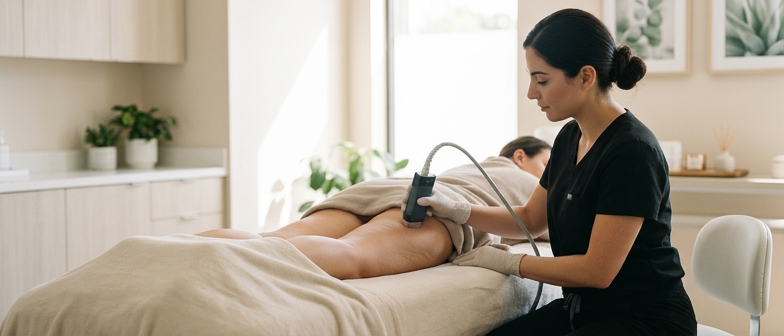
Morpheus8 is a minimally invasive radiofrequency microneedling device designed to deliver heat through very fine needles into the dermis and superficial fat layer. This controlled energy can stimulate collagen and elastin and may help remodel fibrous bands under the skin. Because cellulite involves these bands pulling the skin over small fat pockets and creating dimples, some medical professionals use this technology on areas such as the thighs and buttocks. Treatment is typically performed with several passes of the handpiece, and parameters like needle depth, energy level, and number of passes are adjusted to the body area and an individual’s tolerance.
Within the range of body-contouring and skin-tightening approaches, this method sits between surface treatments and more invasive surgery. External radiofrequency, ultrasound, or cooling devices act from outside the skin, while surgical procedures can cut fibrous bands or remove fat directly. Early clinical observations and small studies suggest that radiofrequency microneedling may improve skin texture and the appearance of cellulite in some people, but responses differ and research is still evolving. Regulatory clearance usually addresses safety and general skin treatment indications rather than promising specific cellulite outcomes, so its use for dimpling is best viewed as one possible option to discuss with a qualified medical professional when setting expectations.
| Option | Core Mechanism | Typical Downtime | Evidence Strength For Cellulite | Who It May Suit |
|---|---|---|---|---|
| Morpheus8 For Cellulite | Radiofrequency microneedling to heat dermis and fibrous bands | Short, usually mild skin irritation | Emerging, small case series | People seeking tissue remodeling with minimally invasive approach |
| External Radiofrequency Devices | Surface heat to tighten skin and affect fat layer | Minimal, often return to routine quickly | Variable, more focused on general skin tightening | Individuals preferring noninvasive, comfort‑focused sessions |
| Ultrasound Body‑Contouring | Focused sound waves targeting fat and connective tissue | Short, may feel tenderness | Mixed, stronger for contour than dimples | Those prioritizing shaping over cellulite‑specific changes |
| Cooling‑Based Contouring | Controlled cooling to impact fat cells | Limited, possible temporary numbness | Established for fat reduction, indirect for cellulite | People mainly concerned with bulges rather than texture |
| Surgical Cellulite Procedures | Cutting or releasing fibrous bands, direct fat removal | Longer recovery with more restrictions | More established for select patterns of dimpling | Candidates willing to accept higher invasiveness for targeted change |
Early reports on radiofrequency microneedling, including devices such as Morpheus8, describe gradual softening of cellulite dimples on areas like the thighs rather than complete removal. In small case series, clinicians note smoother texture, less shadowing, and more even contour in thigh before‑and‑after photos taken around three months, usually rated as modest to moderate change. Results vary with baseline severity, weight changes, hormonal factors, and whether people complete the suggested number of sessions, so one person’s three‑month outcome may not reflect what others experience.
Eligibility for using Morpheus8 on cellulite is usually based on general health, skin condition, and realistic expectations rather than age. People bothered by dimpling on the thighs, buttocks, or hips who do not have uncontrolled medical problems, active infections, or implanted electronic devices may be considered. For thigh cellulite, the practitioner typically evaluates skin laxity, how pronounced the dimples look when standing and sitting, and whether issues such as significant varicose veins or bleeding disorders could increase risk or call for special precautions.
Thighs and buttocks are common treatment areas because they often show both loose skin and irregular fat. During planning, the provider may map zones like the outer or inner thigh and the crease under the buttocks to guide energy settings and treatment patterns. Morpheus8 can be paired with lifestyle measures or other noninvasive approaches, and the choice of areas depends on whether cellulite is localized or more widespread. The goal is to soften the appearance of dimpling by affecting the skin and underlying tissue, but the degree of change varies with genetics, hormones, and weight stability.
Session planning for cellulite is individualized, and many people are scheduled for multiple appointments spaced several weeks apart rather than a single treatment. Some plans involve about three sessions, while others use fewer or more depending on tissue response, the severity of dimpling, and how cautious the energy settings need to be. During consultation, practitioners typically explain that available data show improvements in texture for some candidates but not for everyone, and they review possible side effects such as temporary soreness or bruising. Follow-up visits are used to decide whether additional sessions or a different approach is appropriate.
Morpheus8 for thigh cellulite is not appropriate for everyone, and special situations usually require formal medical clearance. During pregnancy, and often while breastfeeding, clinicians commonly recommend postponing treatment because safety data are limited and the priority is avoiding avoidable risk to the fetus or infant. People with implanted electronic devices such as pacemakers, defibrillators, neurostimulators, or large metal hardware near the thighs may be ineligible or need assessment by the physician who manages the device due to possible interaction with radiofrequency energy. Active skin infection in the treatment area, uncontrolled inflammatory skin disease, bleeding disorders, impaired wound healing, or unstable systemic conditions like poorly controlled diabetes or autoimmune illness can raise complication risk. A detailed consultation that reviews medical history and medications is essential to judge eligibility for cellulite treatment on the thighs or to choose a safer alternative.
Morpheus8 uses radiofrequency energy through tiny needles to heat deeper layers of skin and connective tissue involved in cellulite. Because it is minimally invasive, short‑term effects are possible and vary with settings, area treated, and individual sensitivity. Thighs and buttocks often feel warm, tight, or mildly sore after a session, and some people notice a sunburn‑like sensation that typically settles within hours to a few days.
Common Morpheus8 side effects for cellulite treatment include redness, swelling, and pinpoint bleeding where the needles enter the skin. Bruising may appear, especially on areas with fragile blood vessels; visible bruises often fade within about one to two weeks, while smaller marks can clear sooner. Some people report temporary pigment changes, itchiness, or light scabbing. Less frequent but more serious complications such as infection, burns, scarring, or longer‑lasting color changes are usually linked to unsuitable settings, poor hygiene, or not following aftercare instructions.
Recovery after Morpheus8 for cellulite involves a brief period of surface changes and a longer phase of internal collagen and tissue remodeling that may continue for weeks or months. Most people resume routine daily activities shortly after treatment, but are commonly advised to pause intense workouts, hot tubs, and direct sun on the area for a short time. Gentle skin care, reducing friction, and watching for signs of infection such as worsening pain, heat, or discharge are standard precautions, and expected side effects and follow‑up should be reviewed with a qualified practitioner in advance.
For cellulite-focused Morpheus8 body treatments, there is no single standard price. A session fee usually reflects the size of the treatment area, how many regions are covered in one visit, the clinician’s experience, and local market costs. Many practices offer body packages that group several sessions for thighs or buttocks, which can reduce the per-visit amount but raise the total payment. When comparing quotes, it is useful to clarify exactly what is included, such as the number of sessions, follow-up reviews, and any separate charges for numbing, aftercare products, or touch-up visits.
Choosing a nearby provider is less about the lowest fee and more about training, supervision, and safety. Physician-led clinics generally provide medical oversight and can review health history and manage side effects, while reputable med spas may focus on convenience and comfort. In either setting, the key issues are who actually performs the procedure and how they were trained. Before booking, people can ask about the clinician’s experience treating body and thigh cellulite, the usual number of sessions, typical downtime and bruising, and how unexpected reactions are handled, and can verify licensing, relevant board certification, and the use of regulated devices.
| Patient Priority | Preferred Setting | Pros | Cons | Questions To Ask Provider |
|---|---|---|---|---|
| Minimize upfront cost | Med spa or mixed clinic | Package deals, promotional offers | Variable medical oversight | What is included in each session or package? |
| Maximize medical supervision | Physician-led clinic | Review of health history, side‑effect management | Possibly higher treatment fees | Who supervises treatment and handles complications? |
| Convenience and comfort | Reputable med spa | Flexible scheduling, spa‑like environment | May rely on protocols over individual assessment | Who performs Morpheus8 and how were they trained? |
| Sensitive health history | Physician-led clinic | Tailored precautions for medical conditions | More formal intake process | How do you adjust cellulite treatment for my risk factors? |
| Focused on thigh cellulite outcomes | Either setting with experienced clinician | Experience with body and thigh cellulite cases | Experience can vary widely | How many thigh cellulite cases have you treated and typical sessions? |
Does Morpheus8 actually help with cellulite on the thighs?
It can soften dimples and improve texture by heating the dermis and superficial fat, but it rarely erases cellulite completely and results vary by person.
How many Morpheus8 sessions are usually planned for thigh cellulite?
Many clinicians suggest a series of about 3 sessions spaced 4–6 weeks apart, then reassess whether more treatments are worthwhile.
What results should I expect three months after Morpheus8 for cellulite?
Around three months, some people see modest smoothing and less shadowing in before‑and‑after photos, especially if they completed the full series and maintained stable weight.
Is it safe to get Morpheus8 for cellulite while pregnant or breastfeeding?
Most clinicians advise delaying treatment during pregnancy and often while breastfeeding because safety data are limited and there is no clear medical need.
What side effects and recovery time should I know about for Morpheus8 cellulite treatment?
Temporary redness, swelling, bruising, and soreness are common; bruising and surface marks often fade over about 5–10 days if no complications occur.