
x
Choosing mining equipment in the United States means balancing geology, production targets, safety rules, and cost. This guide helps you compare surface and underground fleets, estimate hourly costs, navigate MSHA approval, and match machinery and dealer support to realistic mine plans.
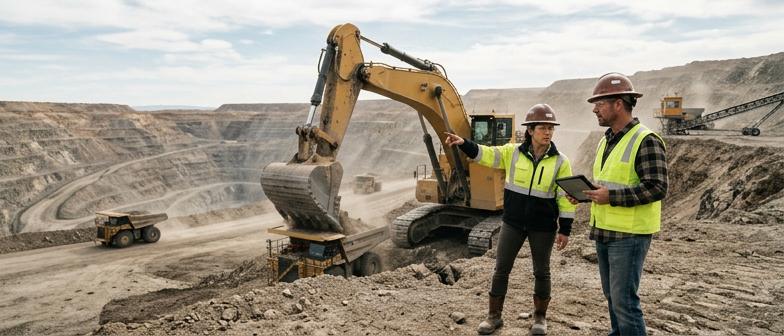
Mining equipment selection is an engineering and economic decision grounded in the mining method, deposit geometry and strength, and the safety and environmental regulations that apply to the site. Surface operations rely on haul trucks, loaders, shovels, and draglines sized to pit layout and bench height, while underground mines use drills, bolters, loaders, and haulage systems that fit access openings and ground conditions. In both settings, planners aim to match the mining fleet to realistic production goals by considering rock hardness, overburden thickness, haul distance, climate, and required safety standards, comparing machines on capacity, reliability, and ability to work within evolving mine plans.
Equipment choices are further shaped by federal and state rules on safety, emissions, and approval processes that differ by commodity and region. Planning teams look beyond initial purchase price to long term productivity, fuel use, maintenance needs, and the support available from dealers and service networks. Surface mines focus on moving material at a sustainable cost per ton, while underground operations emphasize maneuverability, ventilation limits, and management of geotechnical risks. A practical mining equipment selection guide helps readers understand how machinery for surface and underground conditions responds to geology and regulation, and how fleets can be configured to align achievable production rates with safety and compliance obligations.
Selecting equipment for surface mining begins with the deposit and overall mine plan. Loose or soft materials tend to favor wheel loaders and trucks, while hard rock and structured benches often require large hydraulic or electric shovels with rigid‑frame haul trucks. Bench height, pit slope, and road geometry limit machine size and affect whether surface methods remain suitable compared with potential underground alternatives. Haul distance and elevation change influence truck capacity and engine power, and in long or steep hauls planners may consider conveyors or downhill haulage to reduce fuel use and equipment wear. Equipment choices are aligned with geologic data, stripping ratio, and expected changes in pit design so the fleet can remain effective as the operation deepens or expands.
Matching the surface mining fleet to production goals requires balancing equipment capacity, cycle times, and operating hours with safety and regulatory constraints. Short‑term targets such as quarterly output guide how many loading units and trucks must be available, while long‑term forecasts inform decisions to purchase new machines or rebuild existing ones. Planners estimate hourly ownership and operating costs for candidate units and compare these figures with expected tonnage to judge the economics of different fleet combinations. Safety requirements, including traffic patterns, dust control, and limits on operator exposure, can lead to choosing fewer larger machines or more smaller units to keep conditions manageable. A structured purchase guide weighs reliability, fuel efficiency, dealer and parts support, and compatibility with dispatch and maintenance systems so the selected fleet can meet production goals while respecting safety and regulatory limits.
| Surface equipment type | Best matched deposit and pit conditions | Production goal alignment | Key selection cautions |
|---|---|---|---|
| Wheel loader + trucks | Loose overburden, short benches, flexible pit layout | Short‑term tonnage changes, variable daily output | Watch road congestion and loader travel distance |
| Hydraulic shovel + rigid‑frame trucks | Hard rock benches, structured pits, stable slopes | High sustained output, long‑term stripping plans | Check bench height compatibility and shovel reach limits |
| Electric shovel + large trucks | Very large pits, consistent rock, fixed bench design | Maximum long‑term production, bulk tonnage movement | Consider power supply reliability and limited mobility |
| Dragline or bucket excavator | Wide pits, soft to medium rock, long reach requirements | High stripping efficiency, overburden removal focus | Evaluate spoil placement options and swing radius limits |
| Truck + conveyor or downhill haulage | Long or steep hauls, defined haul roads, stable pit advance | Cost‑controlled tonnage, fuel and wear reduction goals | Assess future pit expansion and conveyor relocation needs |
In surface mines, planners align loading and hauling fleets with production and cost targets by starting from the mine plan and estimating hourly cost for each machine, including ownership, fuel, labor, maintenance, and planned downtime. They match shovel or loader capacity to truck payload and cycle time so loading units are neither idle nor overloaded, then check how many units are needed to reach daily tonnage within budget. Alternative fleets are compared using cost per ton and simple sensitivity checks for pit layout, haul distance, bench height, and material conditions, while confirming that equipment can operate safely and comply with relevant regulations and approval requirements. This comparison narrows purchase options to fleets that meet production goals and provide sustainable operating costs instead of focusing only on lowest purchase price.
Underground mining restricts equipment size, maneuverability, and power. Narrow openings, low backs, and tight turns push planners toward compact loaders, trucks, and drills with articulated steering and low profiles. Ventilation capacity and diesel particulate limits shape engine choice and power rating, because each machine adds heat and exhaust that the ventilation system must handle. Ground conditions matter as well; in weak or fractured rock, equipment that works closely with ground support, such as bolters aligned with production units, helps keep openings stable and travel ways safe. Compared with surface fleets, underground machines generally prioritize clearance, visibility in low light, and protection from falling ground rather than very high speeds or very large payloads.
Selecting underground equipment means balancing ore body geometry, haul distance, and production targets with safety and regulatory constraints. Short, steep ramps often suit smaller trucks and load–haul–dump units with short wheelbases, while longer declines may justify higher-capacity trucks if ventilation and power supply can support them. Drills must match stope layouts and ground control plans, with suitable boom reach and hole accuracy for explosives use. Electrical, lighting, and communication systems need to comply with Mining Safety and Health Administration approval requirements, especially in gassy or potentially explosive atmospheres. Comparing underground and surface fleets involves looking at cycle times, maintenance access, and how many units are required to meet production goals.
Safe, efficient underground operation depends on consistent procedures and feedback from the field. Pre‑shift inspections and clear tagging can identify damage to tires, brakes, and steering before incidents occur in confined headings. Shared data between ventilation staff and operators on fuel use and exhaust levels can guide engine settings and decisions between diesel and electric units. Training that emphasizes visibility limits, traffic patterns, and emergency egress helps operators manage blind corners and mixed traffic involving people, equipment, and ground support work. Where underground mines are near established machinery hubs such as the industrial area around Baltimore, decision makers can factor in dealer support, parts access, and technical assistance while still basing choices mainly on site conditions, regulations, and long‑term operating costs.
Surface and underground operations place different demands on mining equipment, so simply copying a fleet from one setting to the other can lead to poor performance and safety issues. Surface machines emphasize mobility over long distances, large payloads, high horsepower diesel power, open visibility, and wide turning radii, with maintenance often focused on ground‑level access in exposed conditions. Underground equipment must fit confined headings and low roofs, using compact frames, articulated steering, reduced speed, and powertrains suited to ventilation limits, such as electric or low‑emission systems. Safety and control systems also diverge, with roof support and proximity detection central underground, and fall protection plus collision avoidance more prominent at the surface. When comparing options, selection teams need to weigh visibility, maneuverability, emissions and serviceability, not just size and power.
Federal safety regulations strongly influence mining equipment choices and project planning. The Mine Safety and Health Administration oversees approval for critical machine components such as electrical systems, underground diesel engines, explosion protection, and dust control. Before equipment is put into service, designs, materials, and performance must align with relevant MSHA rules and environmental requirements. For buyers using a mining equipment purchase guide, technical specifications and documentation are part of legal compliance and determine whether a machine can be operated at a specific mine and with particular methods.
The MSHA mining machine approval process affects schedules, budgets, and coordination with vendors. Equipment that needs formal approval is subject to testing and documentation review at MSHA technical centers, which can extend lead times if not considered in early planning. Many operators prefer models and configurations that already hold the necessary approvals to reduce redesign and repeat testing. When unique configurations are required, collaboration with manufacturers, engineering consultants, or regional solution providers, including specialists based in hubs such as Baltimore, helps align design changes with regulatory expectations and produce accurate data for submissions.
MSHA approval discrepancies often stem from incomplete documentation, differences between installed components and the approved bill of materials, or field modifications that were not evaluated under the original certification. Variations between nameplate ratings and actual performance, missing labels and hazard warnings, or unverified electrical or ventilation changes can delay projects. To reduce these risks, operators maintain detailed configuration records, use formal change management procedures, and train maintenance staff on regulatory obligations. During procurement, it is important to confirm which parts of a machine are covered by existing approvals, what conditions or limits apply, and how dealer or manufacturer support will manage updates to keep the mining fleet compliant.
What are the first factors to consider in a mining equipment selection guide?
Start with the mining method, deposit geometry and strength, required production rate, and applicable safety and environmental regulations, then narrow equipment by capacity, reliability, and site constraints.
How do I choose between surface loading and hauling options to match production goals?
Estimate hourly cost per unit, match shovel or loader bucket size to truck payload and cycle time, and compare fleets on cost per ton, checking that they can operate safely within pit layout and haul distances.
What tips matter most when selecting underground mining equipment?
Prioritize machines that fit the openings, allow safe maneuvering, and meet ventilation limits on heat and diesel emissions, while supporting ground control with compatible drills and bolters.
How should I compare surface and underground mining equipment demands?
Surface fleets emphasize long‑distance mobility, large payloads, and open visibility, while underground fleets focus on compact size, articulated steering, low profiles, and safety systems suited to confined headings.
What should buyers know about the MSHA mining machine approval process?
Critical systems such as electrical components, diesel engines, explosion protection, and dust control must comply with MSHA rules; buyers need complete documentation to confirm a machine can be legally used at a given mine.