
x
Male pattern baldness treatment often means choosing between options like finasteride, minoxidil, at‑home care, online consultations, or surgical procedures. This overview helps you compare benefits, risks, costs, and when to see a dermatologist or hair transplant specialist instead of relying only on home or online care.
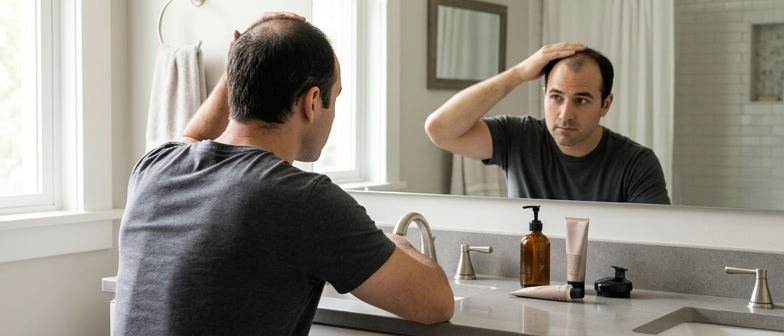
Male pattern baldness is the most common cause of persistent hair loss in men and is largely influenced by genetics and hormones. It usually appears as a receding hairline, thinning at the crown, or both, and tends to progress slowly over years. As the condition advances, hair follicles shrink and produce finer, shorter hairs, and some eventually stop growing visible hair. This pattern differs from normal daily shedding, where hair is replaced at a similar rate, and from temporary shedding that can follow illness, major stress, or medication changes. Recognizing that this form of hair loss is typically chronic and progressive helps men set realistic expectations when considering treatment options such as topical or oral medicines, procedures, or changes in hair care habits.
Not all male hair loss fits this typical pattern, and certain changes should prompt medical evaluation. Sudden or patchy bald spots, rapid shedding over a few weeks, or scalp symptoms such as redness, scaling, pain, or intense itching are not classic features of male pattern baldness and may point to other conditions. A dermatologist who manages hair disorders can assess the scalp, review medical history and current medications, and, when appropriate, arrange blood tests or a scalp biopsy to look for causes such as autoimmune disease, infection, or scarring alopecia. Seeking timely professional advice for abrupt or uneven hair loss can improve the chances of finding a reversible cause and choosing a suitable treatment plan.
For hereditary male pattern baldness, the main evidence based medical treatments are topical minoxidil and oral finasteride. Minoxidil is applied as a liquid or foam once or twice daily to the scalp to help hairs stay longer in the growth phase. Finasteride is a prescription tablet that reduces levels of a hormone associated with shrinking hair follicles. These treatments do not cure baldness but can slow further loss and, in some men, lead to modest regrowth when used consistently over time.
Many men use topical treatment at home for a thinning crown because it can be applied directly to the sparse area. A receding hairline is often more strongly influenced by hormones, so finasteride is frequently considered more central there, with some people adding minoxidil to the frontal scalp. Outcomes depend on how advanced the hair loss is and how long follicles have been miniaturized, so starting treatment earlier in the course of male pattern baldness is commonly advised.
Finasteride and minoxidil are usually viewed as complementary male hair loss treatment options rather than strict alternatives. Minoxidil is available without an in person visit for most adults, while finasteride requires a medical evaluation to review potential side effects, health history, and other medicines. A dermatologist or other qualified clinician can help decide whether minoxidil, finasteride, or a combination fits a person’s pattern of loss, expectations, and ability to commit to long term daily use.
| Treatment | Best For Pattern | How Used | Expected Timeline | Monitoring Focus |
|---|---|---|---|---|
| Topical minoxidil | Thinning crown | Daily scalp application | Gradual, long term | Scalp irritation, shedding change |
| Oral finasteride | Receding hairline | Daily prescription tablet | Slow, sustained | Hormone related side effects |
| Minoxidil only | Mild early loss | At home routine | Moderate, ongoing | Consistency of use |
| Finasteride only | Hormone driven loss | Clinician supervised | Progressive over time | Mood and sexual symptoms |
| Finasteride plus minoxidil | Crown plus hairline | Combined daily regimen | Higher effort, longer | Tolerance and adherence |
Finasteride treats male pattern baldness by blocking conversion of testosterone to dihydrotestosterone, which is linked to hereditary thinning. Reported side effects include lower sex drive, erection difficulties, and reduced semen volume. Some people notice mood changes or breast tenderness. These effects are uncommon but can be persistent, so new symptoms should be discussed with a clinician. Because the drug can affect a developing fetus, people who are or may become pregnant should avoid handling crushed or broken tablets.
Finasteride requires a prescription, so a licensed clinician needs to confirm that your hair loss pattern and overall health make treatment appropriate. They may review your medical and family history, rule out other causes of shedding, and explain expected benefits and timelines. Medication cost depends on dose, generic versus brand, pharmacy or mail order provider, insurance coverage, and any discount programs, so it is useful to ask about typical monthly expenses and how refills are managed.
Over-the-counter minoxidil is a common topical treatment for male pattern baldness, usually available as a 5% foam or solution. It is sold without a prescription at many pharmacies, large retail stores, and general online marketplaces. The important factors are the active ingredient, concentration, and clear labeling, rather than the brand name. Directions on how much to apply and how often should be followed carefully. People with sensitive skin, scalp disease, or other medications should ask a health professional which formulation and schedule is appropriate before starting.
Some users notice more shedding in the first weeks or months after beginning minoxidil and worry that it is causing harm. This early loss can reflect older hairs being replaced as follicles shift into a different growth phase, but this cannot be confirmed without clinical assessment. Stopping the drug only because of mild, short-term shedding may reduce the chance of benefit, yet ongoing decisions should be individualized. If shedding is heavy, persists, looks patchy, or is accompanied by irritation, pain, or other symptoms, a clinician or dermatologist should review the situation and decide whether to adjust, pause, or stop treatment.
Platelet-rich plasma injections and topical minoxidil are sometimes compared because both are used for hair loss, but they differ in cost, availability, and practical use. Minoxidil is a self-applied daily medicine that usually requires long-term use, while platelet-rich plasma involves in-office procedures at set intervals and may be more expensive. Some people use minoxidil alone, others combine it with platelet-rich plasma or with additional medications depending on the pattern and severity of hair loss, health history, and budget. Discussing these approaches with a qualified clinician can help set realistic expectations and decide whether to begin with topical therapy and add other options only if needed.
At-home care for a thinning crown usually centers on regular use of topical medications like minoxidil, gentle handling of the hair, and realistic timelines. Nonprescription foams or solutions are often used for several months before judging effect, while avoiding tight styles, harsh chemicals, excess heat, and poor nutrition helps protect remaining hair.
Early shedding after starting a topical such as minoxidil is often temporary, reflecting older hairs being shed as growth cycles adjust. If there is no pain, marked redness, scaling, or rapidly expanding bald patches, many clinicians suggest continuing and monitoring over time. Stop use and seek medical advice if you develop significant irritation, allergy symptoms, sudden patchy loss, or shedding severe enough to cause distress.
Online hair loss assessments usually start with questions about age, family history of balding, medical conditions, current medications, and clear photos of the scalp. Clinicians use this information to judge whether remote treatment with prescription or topical options is appropriate or whether an in-person exam is safer before starting therapy. People with sudden patchy hair loss, visible scarring on the scalp, or unexplained rapid shedding are often advised to see a dermatologist face to face to rule out other diseases. The price of a virtual visit varies by provider and whether follow-up reviews are included, so it is important to confirm what the fee covers, how prescriptions are issued, and if any insurance benefits apply.
When thinning is advanced or the pattern suggests limited benefit from medication alone, a specialist may recommend consultation with a hair transplant surgeon. An in-person visit allows detailed measurement of donor hair density, scalp flexibility, and realistic planning for areas such as the hairline or crown. Local transplant consultations typically review medical history, current use of treatments like minoxidil or finasteride, and outline likely costs, surgical risks, and how many sessions may be needed. Comparing the conclusions from online opinions with findings from nearby surgical assessments can clarify whether continued medical management, surgery, or a combination best fits your goals, health status, and budget.
When should a man with a thinning crown stop home treatment and see a professional?
Seek care if hair loss is fast, patchy, or follows illness or new medicine, or if you have scalp pain, redness, or scaling.
How do finasteride and minoxidil differ for a receding hairline?
Finasteride is an oral prescription that lowers DHT; minoxidil is a topical that helps keep hairs in the growth phase. A clinician may suggest using both.
What should I know about finasteride side effects before using it?
Possible effects include lower sex drive, erection problems, less semen, mood changes, or breast tenderness. Discuss risks, benefits, and follow‑up with a prescriber first.
Is increased shedding after starting minoxidil normal, and should I stop it?
Short‑term extra shedding at the start can happen as older hairs are replaced. If shedding is heavy, painful, or very distressing, get medical advice before stopping.
Who is suitable for online hair loss treatment instead of visiting a dermatologist in person?
Gradual, stable thinning without scalp symptoms may fit online care. Sudden bald patches, scarring, or unclear cause usually need an in‑person dermatologist, especially before procedures like hair transplant.