
x
People living with peripheral neuropathy or burning diabetic foot pain often hear about cold laser or photobiomodulation as a possible option. This guide helps you weigh how laser treatment for neuropathy works, who may be a candidate, potential side effects, and what to ask when planning clinic or home‑use sessions.
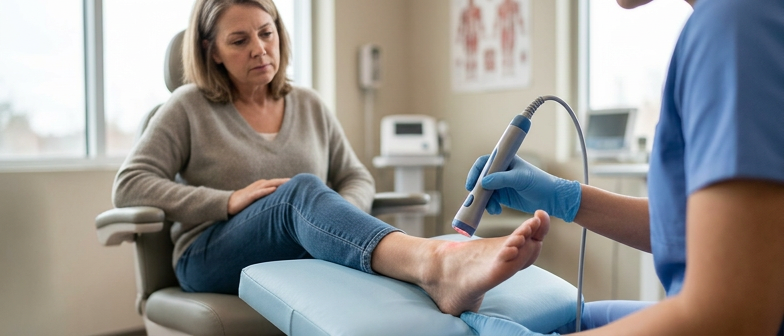
Peripheral neuropathy is damage or dysfunction of the peripheral nerves that connect the brain and spinal cord to the rest of the body. When these nerves are affected by diabetes, chemotherapy, infections, autoimmune disease, or compression, they may send distorted signals that feel like tingling, numbness, electric shocks, or burning pain. In the feet this can appear as painful diabetic neuropathy or burning neuropathy, where light touch or simple walking becomes uncomfortable. Neuropathic pain differs from muscle or joint pain because the main problem lies in how the nerve is firing, so symptoms can persist even when imaging or blood tests look normal.
Laser treatment for neuropathy usually means low‑level laser or photobiomodulation therapy, where controlled light energy is applied to the skin over painful or damaged nerve regions. These systems are regulated as therapeutic devices with attention to safety, wavelength, and power, but regulatory clearance does not guarantee symptom relief. Early studies suggest that, under defined settings, photobiomodulation may lessen pain or improve sensation in some forms of peripheral neuropathy, including diabetic foot pain and burning discomfort in the feet, yet results are mixed and not everyone benefits. Evidence is still developing, so this approach is generally viewed as a non‑drug, adjunct option that should be considered with a clinician who can discuss realistic goals, possible limits, and safety in the context of the person’s overall care plan.
Neuropathy laser therapy generally uses low-level or cold lasers that deliver light to tissue without cutting or significantly heating it. These medical lasers emit specific red or near-infrared wavelengths that can pass through the skin and reach nerves, small blood vessels, and connective tissue. Unlike surgical lasers, treatments for neuropathic pain rely on relatively low power and controlled exposure to influence cellular activity rather than remove or reshape tissue.
This approach is based on photobiomodulation, in which cells absorb light and may change how they produce energy or regulate inflammation. Research suggests that mitochondria can be affected by certain wavelengths, which might support local circulation, alter inflammatory signaling, and influence pain pathways. For peripheral neuropathy, the goal is to create a more supportive environment around irritated or damaged nerves, but individual responses vary and clinical evidence is still evolving, so results are uncertain and should be discussed with a qualified clinician.
Actual treatment settings depend on the device type, the area being treated, and the protocol used. Important variables include wavelength, power, treatment time, and how often sessions are repeated. Systems used in clinics and laser therapy machines intended for home use can differ in power and dosing precision, so instructions and safety guidance matter. When people compare devices or ask how to use cold laser therapy, key points include regulatory clearance, how treatment doses are determined, and how laser sessions fit alongside medication, physical therapy, and lifestyle measures.
| Setting | Professional Supervision | Dosing Precision | Flexibility for Routine Use | Safety Awareness Needs |
|---|---|---|---|---|
| Clinic‑based laser therapy | High | High | Moderate | Guided by clinician |
| Home laser therapy machine | None to low | Variable | High | Relies on user following instructions |
| New user with peripheral neuropathy | Prefer clinic start | Clinician adjusted | Lower scheduling control | Close monitoring recommended |
| Experienced user after training | Shared with clinic | Protocol based | Higher self‑management | Ongoing self‑check for skin and symptoms |
| Complex medical history | Essential in clinic | Individually tailored | Limited home suitability | Enhanced safety review before changes |
Cold laser therapy, or low-level laser therapy, uses low-intensity light to act on tissues without heating the skin. Devices range from clinic systems operated by trained professionals to compact machines intended for home use. People comparing options usually consider safety certification, adjustable dose settings, and how easy a device is to handle instead of assuming there is a single best choice for neuropathy or other pain problems.
Basic use generally means placing the applicator on clean skin and delivering light for a specific time and energy dose. Because power, wavelength, and treatment duration can influence both benefit and risk, users should follow the manufacturer’s instructions and seek advice from a clinician familiar with laser care for neuropathy. This helps limit use to suitable body areas and intervals, and supports stopping treatment if discomfort, skin changes, or other possible side effects occur.
Eligibility for neuropathy laser therapy is usually decided through a clinical assessment rather than a fixed rule. The care team considers the type and duration of peripheral neuropathy and related conditions such as diabetes, autoimmune disease, or prior chemotherapy. A screening visit typically reviews current medications, history of cancer or bleeding disorders, implanted electronic devices, and past reactions to light-based treatments. People who are pregnant, have active skin infection at the treatment site, uncontrolled systemic illness, or very reduced sensation may be advised to postpone or avoid treatment, or to be monitored more closely during sessions.
Safety depends on using medical laser equipment that meets regulatory standards, following manufacturer instructions, and working with trained personnel. Most people feel only mild warmth, tingling, or gentle pulsing over the treated area, and laser sessions for neuropathic pain are usually performed without anesthesia. Protective eyewear is important with higher-power devices. For home laser therapy machines, safer use means choosing devices that are cleared for a defined indication, understanding the recommended schedule, and not extending exposure times or changing settings in an attempt to speed results.
Reported side effects from low-level or photobiomodulation laser therapy for neuropathic pain are generally mild and short-lived but should be reviewed before starting care. Temporary redness, skin warmth, slight swelling, or a brief increase in symptoms can occur as nerves respond to stimulation and often resolve without treatment. Misuse can lead to burns, irritation over tattoos or darker pigment, or unwanted effects on undiagnosed skin lesions. Because long-term data are still developing, treatment is usually avoided directly over known or suspected malignancies, and people with diabetic foot pain or burning neuropathy are advised to watch for changes in skin integrity. Any unexpected or persistent symptom after a session warrants stopping use and seeking medical advice.
When neuropathic pain affects the feet in diabetes, laser treatment is considered only after clinicians review circulation, skin condition, and infection risk. They may look for poor blood flow, ulcers, calluses, or changes in foot structure before using laser for diabetic neuropathy foot pain. Because reduced sensation can hide injuries, people should promptly report warmth, redness, or color changes so a professional can judge whether light-based therapy is suitable and how it should be adjusted.
For burning neuropathy in the feet, realistic expectations are important. Low-level laser or other photobiomodulation approaches are being studied for neuropathic pain, and the benefit, number of sessions, and duration of relief vary with glucose control and other health factors. During consultation, patients can ask how treatment will fit into foot care, activity, and medicines, what sensations during therapy are typical, and which side effects or symptom changes require stopping sessions and seeking medical review.
Planning laser therapy for peripheral neuropathy usually begins with an initial visit at a clinic that manages nerve or pain conditions. The clinician reviews your medical history, medications, and previous treatments, examines the painful or numb areas, and asks about the timing and triggers of neuropathic pain. Based on this assessment, they decide whether low-level laser or other forms of photobiomodulation are reasonable, explain goals such as pain relief or improved function, and estimate how many sessions might be useful. People with long‑standing symptoms or diabetic neuropathy are often told that repeated visits may be needed and that results differ depending on overall health, blood sugar control, and the degree of nerve damage.
Scheduling treatment usually means arranging a series of appointments over several weeks with a clinic that offers neuropathic pain laser therapy or similar services. Staff explain new‑patient procedures, insurance or other payment options, session length, and practical issues such as clothing or whether you need transport if foot pain makes walking difficult. Those near Harrisburg or other cities can look for peripheral neuropathy laser therapy providers and compare training, device types, and safety practices before choosing a site. It is helpful to ask how the team will set the total number of sessions, how progress is checked, and what steps they recommend if symptoms fail to improve or if side effects like temporary soreness appear.
What is laser treatment for peripheral neuropathy?
It is a low‑level red or near‑infrared light therapy aimed at irritated nerves and nearby tissue. It may lessen tingling, burning pain, and sensitivity by influencing nerve activity and local blood flow, but benefit depends on the cause and extent of nerve damage.
How many sessions are usually needed for neuropathic pain laser therapy?
People are often scheduled for several sessions, such as once or twice a week for a number of weeks. The total depends on how long you have had symptoms, other conditions like diabetes, and whether early sessions lead to noticeable change.
Can people with diabetic foot neuropathy receive laser therapy?
Sometimes. A clinician reviews blood sugar control, circulation, skin health, ulcer risk, and overall medical status. Some patients are treated with laser alone or combined with other care, while others are advised to use different approaches.
What side effects can occur with laser therapy for burning feet?
Low‑level laser treatment is usually well tolerated. Mild, short‑term redness, warmth, or tingling can appear. Serious complications are uncommon when safety guidelines are followed, but people with poor sensation or active infection require close medical supervision.
What should I know before using a cold laser device at home?
Get a professional diagnosis first, confirm the device meets safety standards, and learn the recommended dose and placement. Follow the instructions, avoid areas with suspected cancer or active infection, and stop and seek advice if new pain or skin changes develop.