
x
Across clinics from Miami to Seoul, prices for high-tech skin treatments now span hundreds to several thousand dollars per session, depending on device, intensity and area. As 2026 approaches, more people are weighing not just the bill, but the real-world changes, risks and downtime behind those numbers.
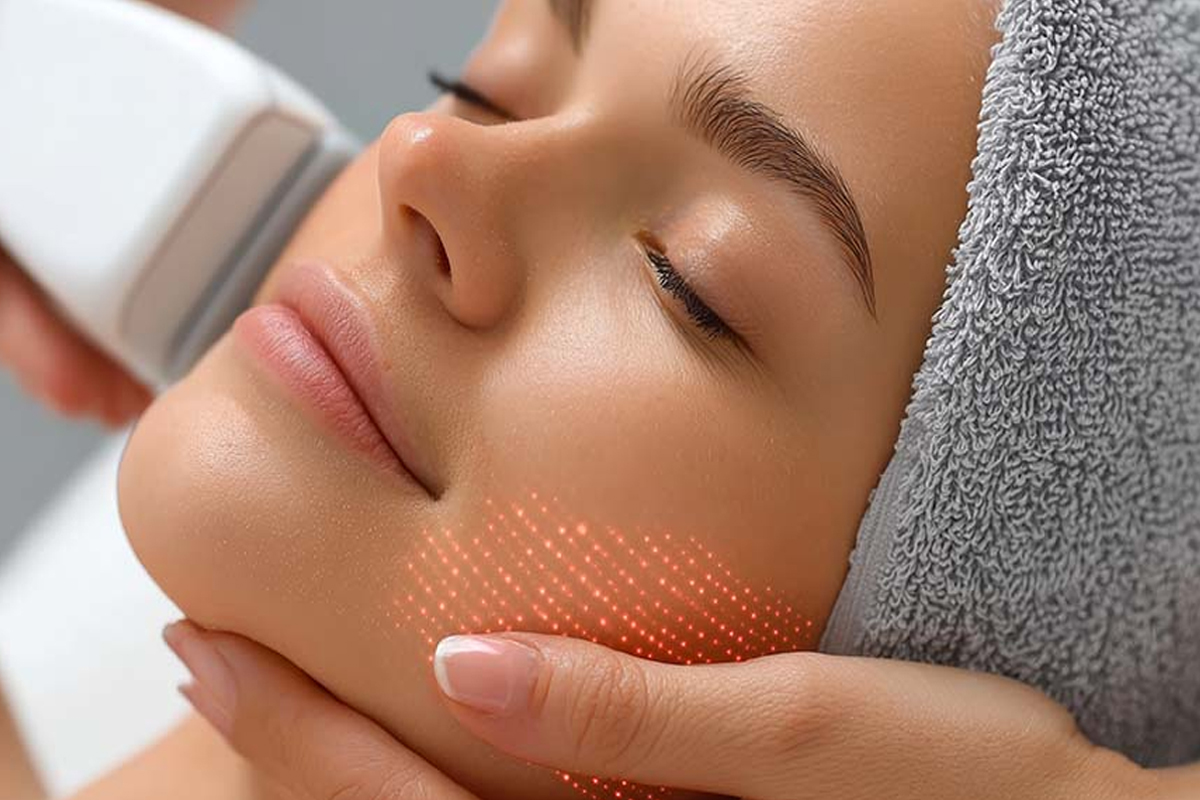
Despite the futuristic machines, the core idea is simple: create controlled micro‑injuries so the skin is forced to repair itself in a more organized way. The beam is broken into tiny columns that punch microscopic channels through the surface into the deeper layer where collagen lives. Around each channel, islands of untouched skin stay intact, acting as “healing hubs” that speed recovery.
As the body repairs those tiny wounds, old collagen fibers are rearranged and new collagen is laid down. That’s why rough texture softens, fine creases look less etched, and indented marks from past breakouts can lift slightly. The deeper the problem sits, the more energy and depth are usually required. Gentle settings mainly refresh tone and surface texture; stronger settings dive deeper to push structural change, at the cost of more downtime and higher risk.
Fractionated devices break the beam into grids of micro‑spots. Some actually vaporize columns of surface skin on their way down (often called ablative), others keep the surface mostly intact and focus heat deeper inside (often called non‑ablative). Both chase smoother, more even skin; they just choose different levels of disruption to get there.
Ablative styles act like a controlled “resurfacing,” useful for more obvious creases or pits but almost always requiring visible healing time. Non‑ablative options are more like internal “training sessions” for your collagen: less dramatic per visit, far easier to fold into a busy schedule. In real life, the question isn’t which is universally better, but how much downtime, discomfort, and risk you’re willing to trade for a given jump in improvement.
Sticker shock usually comes from treating all devices as if they were the same service. Under the hood, the bill reflects several moving parts:
A light refresh over part of the face with mild settings may take less time, use fewer consumables, and demand less follow‑up. A deeper session that targets etched mouth lines or long‑standing pits can take longer to map and treat, require stronger numbing, generate more post‑care questions, and lean on pricier hardware that needs constant maintenance. All of that gets priced in.
Here’s a way to think about common options without attaching any specific dollar figure:
| Option type | Typical intensity & downtime | Who it often fits best | Budget pattern |
|---|---|---|---|
| Gentle non‑ablative, small area | Mild redness, usually “back to work” next day | Early fine lines, mild roughness, glow‑seekers | Lower per visit, more visits |
| Full‑face non‑ablative series | Short downtimes repeated several times | Uneven tone, pores, first signs of aging | Moderate per visit, medium total |
| Targeted fractional over problem zones | Noticeable crusting/peeling for a few days | Localized pits, stubborn creases | Higher per visit, fewer but stronger sessions |
| Full‑face aggressive fractional | Longest downtime, largest one‑time jump | Deep texture issues, “reset” seekers | Highest per visit, limited number of rounds |
Looking at plans this way helps shift the question from “Why is this one appointment expensive?” to “Across the whole journey, which structure makes sense for my skin and wallet?”
Even within the same city, quotes can span a wide range. Factors that quietly nudge numbers up or down include:
Some offices bundle consultation, numbing, the session itself, a starter kit of barrier creams, and at least one check‑in. Others advertise a low per‑session fee but bill separately for every add‑on. On paper the second option can look better, until you realize essentials like numbing and post‑treatment visits aren’t optional in practice.
A helpful approach is to ask, in plain language, “What exactly is covered from the first visit through the first month afterward?” Comparing that list across clinics is far more meaningful than comparing just the headline number.
Those tiny lines around the eyes and lips often come from thinning skin, chronic dryness, and repeated motion. The goal here is usually subtle: look more rested, less “crinkly,” makeup creasing reduced. For that target, many providers lean on either conservative fractional settings or non‑ablative plans focused on even, shallow stimulation.
Because the skin is thin and close to sensitive structures, safety margins are tight. Energy is usually dialed down, sessions may be shorter, and the plan often includes strong moisturizing, gentle cleansers, and vigilant sunscreen afterward. People in office‑based jobs often favor these milder approaches because they allow a return to meetings quickly, even if that means several sessions are needed to reach their ideal level of softness.
Sunken marks from past breakouts are a different beast. Here, the deeper support framework has collapsed, leaving permanent dips. To truly change how these look in side lighting, the beam has to reach further down and send a more urgent “rebuild here” signal. That means denser patterns, higher settings, or focused passes right over the worst areas.
One visit rarely erases them. More realistic is a gradual shift: sharp‑edged pits becoming softer and shallower so foundation doesn’t collect as harshly, and from conversational distance the skin appears more continuous. Plans for this kind of issue often combine a few stronger sessions spaced out by several months. Upfront, those visits feel expensive and disruptive; spread across the multi‑year life of the scars, the value sometimes looks very different.
Different people show up with different main complaints and tolerance for healing time. Thinking about where you fit can clarify choices:
| Main priority | Typical tolerance for downtime | Commonly suggested direction | Trade‑off profile |
|---|---|---|---|
| “My under‑eye area looks tired and crepey” | Wants to work in person quickly | Gentle fractional or non‑ablative near eyes | Subtle per session, low social impact |
| “My cheeks have obvious pits from old breakouts” | Can plan real recovery breaks | Stronger fractional over scars | Bigger jumps, more redness and peeling |
| “I just want smoother tone and smaller‑looking pores” | Minimal schedule disruption | Series of light non‑ablative sessions | Slow build, easier to maintain |
| “I’m okay with hiding out for a bit if results are worth it” | Can manage several off‑days | High‑impact fractional, perhaps combined methods | Fewer visits, more intense recovery |
Using a table like this with your provider can turn a vague wish (“better skin”) into a concrete map that lines up with your actual life.
After a more aggressive fractional treatment, most people are visibly red and swollen the first day, with heat and tightness that feel like a strong sunburn. Over the next several days, darkened dots or a bronzed grid often appear as tiny crusts form, then flake. Makeup may be discouraged at first, and daily routines revolve around bland cleansing, barrier creams, and strict sun avoidance.
In this phase, your skin may look worse than before, which can feel unsettling. It helps to know this is part of the controlled‑injury plan. Once the flaking passes and redness gradually fades, texture changes begin to show: smoother areas where roughness used to live, creases that don’t catch light as sharply, pits that blend more gently into surrounding skin. That evolution continues quietly for months as collagen remodels beneath the surface.
Non‑ablative sessions and very gentle fractional passes usually involve cooling air, topical numbing, and brief flashes of heat or snapping sensations. Right afterward, skin looks flushed and feels warm, but by the next day many people can return to office work with only mild redness that makeup can hide.
Because the outer barrier isn’t heavily disrupted, the main rules are gentleness and sun protection, not full social withdrawal. Each visit may deliver a small but noticeable step: slightly brighter tone, marginally tighter pores, makeup sitting a bit better. When done as a series, these modest changes stack in a way friends describe as “you just look more rested,” without being able to pinpoint why. For those who cannot vanish from client meetings or classrooms, this low‑drama path often feels far more realistic.
How much is laser resurfacing likely to cost in 2026, and what factors affect the price?
Laser resurfacing may range roughly $800–$4,000 per session in 2026, depending on laser type (CO2, fractional, non‑ablative), treatment area size, provider expertise, number of sessions, anesthesia, and geographic location.
What should I realistically expect from fractional laser resurfacing before and after treatment?
Before treatment, skin texture and tone are uneven; after a full series and healing, most see smoother texture, smaller‑appearing pores, softened fine lines, and lighter scars or spots, but not total erasure and usually with maintenance needed.
What is currently considered the best laser for wrinkles around the eyes?
Fractional CO2 and fractional erbium lasers remain top choices for eye wrinkles, giving strong collagen remodeling, while non‑ablative fractional lasers suit thinner or sensitive skin, with lower downtime but more sessions for comparable improvement..