
x
The hum of conveyor belts, the rhythm of shifting schedules, and the promise of steady pay draw thousands into Amazon’s vast network of buildings. Behind every “Buy Now” click are people lifting, scanning, sorting, and driving their way through demanding shifts—and sometimes, unexpected careers.
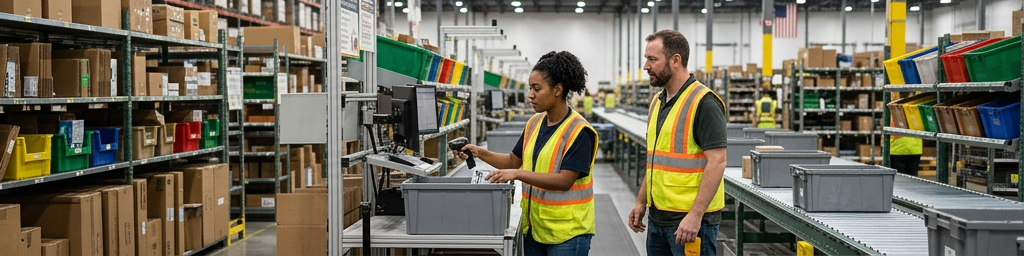
Walking into one of these buildings for the first time feels like entering an airport mixed with a factory. The ceilings are high, conveyors move nonstop, scanners beep constantly, and workers in safety vests move with fast, practiced rhythm. Most new hires feel impressed—but also pressured to keep up.
Instead of being thrown straight into the action, new workers usually begin in a training area. They learn to scan badges, follow screen prompts, read signs, and lift safely. Trainers explain how to bend properly, avoid twisting the back, and recognize when something is too heavy. These basics may seem excessive at first, but they matter after long days of walking, lifting, and reaching.
The first days are packed with codes, aisle numbers, labels, and acronyms. Instructions on scanners and screens can feel overwhelming, and many people worry they’ll never remember everything. But because the system is highly standardized, the same actions repeat constantly. After a week or two, many tasks become automatic.
That repetition has pros and cons. Some workers find it boring, while others like the predictability. Expectations are clear, mistakes are easy to spot, and many describe the work as “tough but predictable,” especially compared with jobs where rules constantly change.
For many people, the biggest challenge is the schedule rather than the work itself. These facilities often operate around the clock, with overnight, weekend, and rotating shifts. Switching to night work can disrupt sleep, appetite, and mood.
Over time, workers build routines to adjust. Some use blackout curtains, limit phone use before sleep, or carefully time caffeine. Parents coordinate childcare around shifts, while commuters search for easier routes and parking. Whether someone stays long term often depends on how well they can organize life outside work around the schedule inside the building.
Most frontline jobs fall into a few main categories. Pickers walk aisles with scanners and carts, collecting items from specific bins. They scan products, place them into totes, and keep moving. The work is simple in theory, but staying fast and accurate for an entire shift is the real challenge. On busy days, workers can walk enormous distances inside the building.
Packers work at stations beside conveyor belts. They scan items, choose boxes or envelopes, add protective padding, seal packages, and attach labels. Since conveyors never stop for long, busy periods can quickly create pressure. Compared with picking, packing involves less walking but far more standing and repetitive arm movements.
Stowers manage incoming inventory from trailers. They scan products and place them into storage bins where pickers can later retrieve them. The system assigns storage locations automatically, so workers spend hours reaching, bending, and lifting items onto shelves.
At the other end, sorters and shipping staff direct finished packages into the correct chutes or truck routes, clear conveyor jams, and stack loads safely for transport in trailers or delivery vans.
A simple way to think about how these feel different:
| Role type | Main motions and pace | Who tends to like it |
|---|---|---|
| Lots of walking and reaching | Constant steps, frequent bending, scanning many items in a row | People who hate standing still, like staying physically active |
| Station-based and repetitive | Standing in one area, fast arm and hand work, focus on labels/screens | People who prefer a fixed spot and clear, steady tasks |
| Inbound, sorting, or loading | Mix of lifting, stacking, troubleshooting jams, watching flows | People who enjoy physical work with a bit more variety and problem‑solving |
Workers often try different spots over time, either by request or when managers move people to match volume. Rotating can reduce boredom and spread strain across different muscle groups, which helps some people stay longer in the job.
Pay is one of the biggest draws. Hourly rates in these roles are often competitive with other physically demanding jobs in retail, hospitality, and general warehousing. Add overtime, especially during peak shopping seasons, and weekly checks can jump noticeably. Many workers use those heavy weeks to chip away at debt, save for school, or help family through a rough patch.
The flip side is that long stretches of overtime mean less time with kids, partners, friends, or classes. Holidays and weekends might be some of the busiest times on the floor. In the United States, people regularly weigh: is the extra pay worth missing important events or pushing my body to the limit? For some, the answer is “yes, for now,” with a plan to scale back later. Others choose consistent part‑time or midrange hours to protect their health and home life, even if it means less money overall.
Beyond hourly pay, benefit packages are a big reason many workers stay longer than they first expected. Access to health coverage, some paid time off, retirement plans, and family-related support can be a major upgrade compared with many other hourly roles. Having insurance that covers a doctor visit or a child’s prescription can turn what was supposed to be a three-month gig into a multi‑year commitment.
In some facilities, benefits start relatively early in a worker’s tenure, which makes the job feel more like a legitimate career option. People talk about using this stability to rent better housing, plan medical procedures they had delayed, or finally feel safe scheduling a vacation. That sense of a “floor” under their lives—steady paycheck plus benefits—can matter as much as any promotion.
From the outside, these workplaces can seem machine-like, but daily experience often depends on the people around you. Supportive co-workers who share tips, help with jams, or remind each other to rest can make difficult shifts far more manageable. Many workers say teamwork is what helps them stay through the hardest periods.
Supervisors also shape the atmosphere. Leads who communicate clearly, explain workload changes, and show flexibility build trust. Managers who only focus on numbers and ignore effort or safety concerns can quickly damage morale. In a physically demanding environment, that emotional support often determines whether the job feels manageable or overwhelming.
Nearly everything is measured on the floor—speed, accuracy, idle time, and output. Some workers enjoy tracking their performance, while others feel constant pressure from the numbers. On difficult days, the system can feel exhausting.
Many workers cope by focusing on steady, safe movement instead of obsessing over metrics. Others mentally divide shifts into smaller goals, such as making it to the next break. Stretching, staying hydrated, and disconnecting during breaks all help reduce stress. The challenge is learning not to tie personal worth entirely to performance numbers.
Long shifts and commutes can easily turn life into “work, sleep, repeat.” People who stay longer often protect personal time carefully—spending time with family, limiting work-related messages, or keeping hobbies outside the job.
Some workers also use the stable schedule and income to build toward something bigger, such as online courses, certifications, trade skills, or future career plans. For many, the warehouse job becomes less of a final destination and more of a stepping stone to other opportunities.
These jobs are often seen as simple manual labor, but they quietly build valuable skills. Workers learn to follow detailed procedures, handle exceptions, and use scanners and digital systems efficiently. Fast-paced shifts also strengthen focus, time management, teamwork, and problem-solving.
Over time, employees gain concrete experience they can use in future applications—meeting deadlines, learning multiple stations, coordinating with teams, or training new hires. Specific examples like these carry more weight with employers than simply claiming to be hardworking. Recognizing those skills makes it easier to move toward better opportunities later.
Large warehouse networks often offer paths into lead, trainer, safety, maintenance, or planning positions. Workers who stay reliable, perform well, and support teammates are more likely to be noticed and trusted with additional responsibilities.
Progress does not always mean climbing upward inside the same company. For many people, warehouse work provides financial stability while they prepare for something else—school, trades, driving jobs, office work, or childcare careers. The experience of handling pressure, adapting to rotating schedules, and working inside a large structured system builds discipline and resilience that transfer well to many other fields.
What qualifications do I need for most Amazon Warehouse Worker Jobs in the U.S.?
Most entry-level roles require being 18+, having a high school diploma or equivalent, legal work authorization, and the ability to lift set weight limits and stand for long periods; prior warehouse experience is helpful but not always required.
How do Amazon Fulfillment Center Jobs differ from Amazon Sorting Center Jobs?
Fulfillment centers handle picking, packing and shipping customer orders across many product types, while sorting centers mainly receive prepacked parcels and sort them by destination, often involving more conveyor work and less item-level picking.
What does a typical day look like for an Amazon Picker Packer Job?
You’ll receive digital pick lists, locate items in designated bins or shelves, scan barcodes for accuracy, then pack items with appropriate materials, label boxes, and place them on conveyors, repeating the cycle across timed productivity targets.
How can I grow a long-term Amazon Warehouse Career from an entry-level associate role?
High performers can move into learning ambassador, process guide, area manager, safety, quality or HR roles, supported by internal postings, tuition programs, and mentorship; consistent performance, reliability, and flexibility greatly improve promotion chances.
Where can I find current Amazon Warehouse Openings and Amazon Logistics Jobs near me?
Use Amazon’s jobs site, filter by “Warehouse & Distribution” or “Delivery & Logistics,” enter your ZIP code, enable location-based alerts, and check regularly, as new positions at fulfillment, distribution, and delivery stations are posted frequently.