
x
When an injection molding machine fails unexpectedly, you lose parts, damage tooling, and burn overtime chasing recovery. This guide shows how structured preventive maintenance, condition monitoring, and rigorous lockout tagout cut hydraulic problems, stabilize cycle times, and make annual inspections truly predict breakdowns instead of reacting to them.
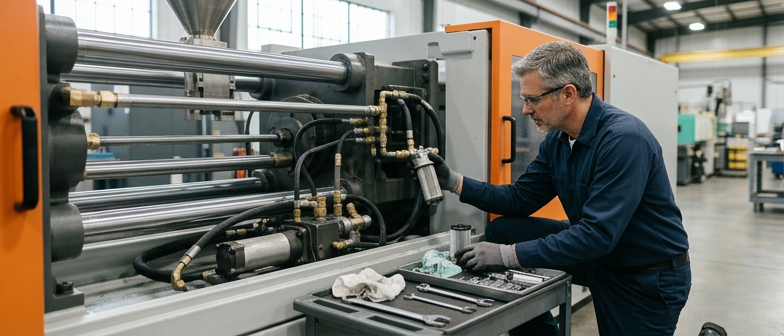
Preventive maintenance for injection molding machines is a core business strategy, not just a repair activity. A structured Injection Molding Machine Preventive Maintenance program cuts unplanned downtime, scrap, and emergency costs by addressing wear before it becomes a failure. When hydraulic systems, injection units, and clamp components are serviced on a defined schedule, cycle times stay stable, molds seat correctly, and dimensional variation is controlled. This consistency protects tooling, supports on-time delivery, and lets production managers commit to customer schedules with more confidence because the equipment is less likely to suffer catastrophic breakdowns.
Modern plants use Injection Molding Machine Condition Monitoring and Injection Molding Process Trend Analysis to make preventive work more targeted. By tracking injection pressure curves, screw recovery time, clamp force, and temperature stability, technicians can detect drift that signals contamination, mechanical wear, or control issues long before parts go out of specification. Instead of reacting only after alarms or complaints, maintenance can plan repairs during scheduled stops, focus on high-risk assets, and document how each intervention improves process capability. Over time, this data-driven approach turns maintenance into a continuous improvement loop that supports quality, safety, and long-term reliability.
A practical Injection Molding Machine Preventive Maintenance strategy starts by defining what is done daily, weekly, monthly, and annually, and who owns each task. The injection machine cleaning schedule should focus on areas that affect product quality and safety, such as the feed throat, barrel exterior, guarding, and walkways, while using methods that are safe for sensitive components and electrical enclosures. Keep this structure in simple checklists operators can follow at the press, with maintenance technicians handling deeper work like cleaning hydraulic reservoirs, inspecting screws and barrels, and checking heaters and thermocouples during planned downtime.
Set injection machine maintenance frequency by risk and operating hours instead of guesswork. Heavily loaded presses, high-cavitation molds, and abrasive materials usually need shorter intervals and more frequent oil and filter checks than lightly used machines. At least once a year, combine these tasks into a formal annual injection machine inspection that reviews safety devices, hydraulic leaks, lubrication points, tie-bar stretch, clamp performance, and basic electrical conditions. Many facilities package this as an annual injection machine inspection service so results are consistent, reported in the same format each year, and linked to clear follow-up actions.
Outside expertise is useful when in-house staff are stretched, equipment is specialized, or you are launching a new preventive program and need a baseline. An experienced injection molding maintenance contractor can help define practical cleaning standards, refine service intervals, and suggest condition-based tasks that go beyond fixed schedules. Integrate contractor work into your internal plan by scheduling them with changeovers or outages, feeding their findings into your maintenance history, and aligning them with your safety procedures and production priorities.
| Maintenance Interval | Typical Tasks | Primary Owner | When to Involve Contractor |
|---|---|---|---|
| Daily | Clean feed throat, wipe barrel exterior, clear walkways | Operator | Not usually needed unless repeated issues appear |
| Weekly | Check guarding condition, visible leaks, basic housekeeping | Operator with maintenance support | If recurring leaks or safety concerns are found |
| Monthly | Inspect heaters, thermocouples, basic hydraulic condition | Maintenance technician | When diagnostics exceed in‑house skills or tools |
| Quarterly | Clean hydraulic reservoir exterior, review minor findings | Maintenance technician | To refine service intervals or verify settings |
| Annual | Formal injection machine inspection, safety and clamp review | Maintenance lead or reliability engineer | Use injection molding maintenance contractor or inspection service |
For an effective injection molding machine preventive maintenance program, annual inspections focus on deep checks beyond daily routines, such as measuring wear on tie bars and platens, verifying safety circuits, and trending hydraulic performance. A structured annual injection machine inspection should also cover electrical enclosures, wiring integrity, encoder feedback, and calibration of temperature and pressure sensors so that process settings still match actual machine behavior. Plants may use an external annual injection machine inspection service to document these findings consistently across the fleet.
Internal maintenance teams typically handle weekly and monthly tasks, including lubrication, basic leak checks, and visual verification of guards, while quarterly reviews may add screw and barrel condition checks and inspection of heaters and thermocouples. Because of the complexity and liability associated with the yearly review, many facilities rely on outside specialists to perform vibration and oil analyses and verify structural alignment. These independent results help refine the recommended injection machine maintenance frequency so high‑use presses receive more frequent detailed inspections than lightly loaded machines.
For hydraulic molding machines, oil cleanliness is a primary driver of reliability in any injection molding machine preventive maintenance plan. Contaminated fluid erodes valves, sticks directional controls, and accelerates wear in pumps and cylinders, eventually showing up as flash, short shots, or inconsistent packing pressure. Treat hydraulic oil as a precision component: specify the right viscosity and cleanliness level, keep reservoirs sealed, and change oil based on condition rather than only on calendar time. When contamination is discovered, corrective action must address both the source, such as breather caps, worn seals, or poor drum handling, and the damage already done to the system.
Routine injection machine oil filter inspection is the front line of defense against hydraulic oil filter contamination. Technicians should verify pressure drop indicators, check for differential pressure alarms in the controller, and document filter element changes as part of the planned cleaning schedule. When filters are removed, cutting them open to inspect for metal fines, rubber particles, or sludge provides early evidence of internal wear that might not yet affect cycle time. Aligning filter checks with the defined maintenance frequency keeps the work predictable while avoiding the risk of running filters in bypass, which silently circulates dirty oil through precision components.
Modern injection molding machine condition monitoring ties hydraulic performance directly to process stability and uptime. Trending pump amperage, hydraulic temperature, and pressure ripple helps maintenance teams spot internal leaks, cavitation, or failing accumulators before they cause unplanned downtime. By correlating process trend data with maintenance history, you can identify patterns such as slowly rising clamp pressure or longer fill times that point to hydraulic losses rather than mold or material issues, allowing repairs to be scheduled during planned stops instead of reacting to catastrophic hydraulic failures.
Effective injection molding machine preventive maintenance relies on process trend analysis to reveal early hydraulic problems before operators feel a change. Tracking screw recovery time, injection pressure curves, cushion stability, and clamp tonnage over time lets maintenance teams spot subtle drifts that point to internal leakage, sticking valves, or pump wear. When these production metrics are trended and correlated with alarms, part weight shifts, or scrap spikes, they become a tool for predicting hydraulic issues while the machine is still running and for scheduling corrective work during planned stops.
To turn this trend data into practical injection molding machine condition monitoring, link process parameters with health indicators such as oil temperature, pump amperage, and hydraulic oil filter contamination levels. A gradual rise in filter differential pressure or more frequent filter changes, combined with noisier pumps or slower pressure build, often signals internal component wear or fluid breakdown. Setting warning thresholds and reviewing this condition data in regular maintenance meetings helps technicians plan inspections, fluid analysis, and component replacement at the right time, reducing safety risks and keeping molding performance stable.
Every preventive maintenance task on an injection molding machine must start with strict control of hazardous energy. A robust Injection Molding Lockout Tagout program ensures electrical, hydraulic, pneumatic, and thermal energy are fully isolated before guards are opened, panels removed, or anyone reaches into clamping or barrel areas. Clear written procedures, lockable devices, and tags that identify the person and reason for shutdown prevent unexpected energization or movement. Supervisors must enforce a culture where no shortcuts are accepted and each technician personally verifies isolation before beginning work.
Because many presses are hydraulic and include hot runners or heated manifolds, focused Hydraulic Molding Machine Safety Training is as critical as the hardware. Training must address stored pressure, drifting platens, hose failures, proper pressure bleed‑down and verification, along with appropriate PPE and safe body positioning. Heated manifold maintenance safety centers on burn prevention, confirming heaters are de‑energized, allowing adequate cool‑down, and managing residual heat and hot plastic. Combined with disciplined lockout steps, this training and verification allow preventive maintenance to protect both productivity and worker safety.
Why is preventive maintenance such a big deal for an injection molding machine?
It stabilizes cycle times, reduces scrap, protects molds and hydraulics, and lets you plan production with far less risk of catastrophic breakdowns and emergency repairs.
What should a practical cleaning and maintenance schedule include for a press?
Define daily, weekly, monthly, and annual tasks. Operators clean feed throat, barrel exterior, guarding, and walkways; technicians handle hydraulic reservoirs, screw and barrel checks, heaters, and thermocouples during planned stops.
What belongs in an annual injection machine inspection checklist?
Measure tie bar and platen wear, verify safety circuits, inspect electrical enclosures and wiring, check encoders, and calibrate temperature and pressure sensors. Many plants use an outside annual inspection service for consistency.
How do I manage hydraulic oil filter contamination and monitor machine condition?
Track oil cleanliness, change or upgrade filters, keep reservoirs sealed, and investigate contamination sources like breathers or seals. Trend screw recovery, cushion, and pressure curves to catch pump or valve wear early.
What safety basics are essential for hydraulic molding machine maintenance?
Apply a strict lockout tagout program for electrical, hydraulic, pneumatic, and thermal energy. Use written steps, lockable devices, and personal tags, and never enter clamp or manifold areas until isolation is verified.