
x
If you’re deciding whether to order a glucose monitor online, this guide walks through choosing between a glucometer and continuous glucose monitor, how over‑the‑counter CGMs differ from prescription models, and what to check about eligibility, insurance coverage, and sensor reliability before you buy.
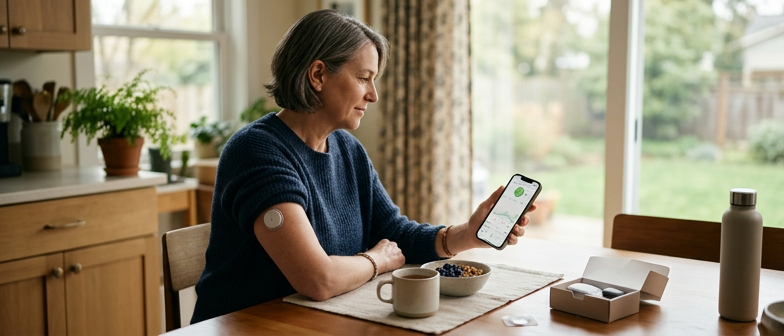
When you are ready to order a glucose monitor, it helps to understand the two main ways to check blood sugar at home. A traditional glucometer uses fingertip blood samples, giving single readings that confirm highs and lows or meet basic monitoring goals. A continuous glucose monitor, or CGM, uses a small sensor on the skin to track glucose around the clock and sends data to a reader or smartphone so you can see trends, patterns, and alerts. Knowing the difference between a glucometer and a continuous glucose monitor makes it easier to decide which type of device fits your routine, your comfort with fingersticks, and your need for real‑time information before you order a glucose monitor online.
Comparing a standard blood sugar meter with a CGM is about how much support you want for daily decisions. Fingerstick meters are usually lower cost, simple to use, and widely available, so they can be a practical first choice. CGMs require a sensor worn for several days and an initial setup, but they provide ongoing data, trend arrows, and alerts that show how food, activity, and medications affect your numbers between checks. As you think through your options, consider how often you want to test, whether you are comfortable wearing a sensor, and how much you value continuous feedback when choosing which kind of monitor to purchase online.
| Option | Daily Data Detail | Comfort & Convenience | Best Fit Scenarios | Decision Tip Before Ordering Online |
|---|---|---|---|---|
| Fingerstick glucometer | Single point checks | No wearable sensor | Basic monitoring needs | Choose if you prefer simple, occasional testing |
| Continuous glucose monitor (CGM) | Ongoing trend tracking | Sensor worn on skin | Frequent highs and lows | Choose if you value continuous, real‑time insight |
| Glucometer plus occasional CGM use | Mix of spot checks and trend views | Short‑term sensor wear | Adjusting new treatment plan | Choose if you want extra data during specific periods |
| CGM with app integration | Detailed patterns and alerts | Phone‑based review | Data‑driven lifestyle changes | Choose if you plan to act on detailed glucose trends |
When you plan to order a glucose monitor online, it helps to know how a traditional glucometer differs from a continuous glucose monitor. A glucometer uses finger-stick blood drops for single readings, often before meals or at bedtime. A CGM relies on a small sensor worn on your body that sends glucose data every few minutes, revealing trends, nighttime changes, and how food, exercise, or medication affect your levels. Deciding between a finger-stick meter and a CGM depends on how detailed you want your data to be, how often you are willing to test manually, whether you are comfortable wearing a sensor, and what your clinician and insurance consider medically necessary.
When you order a glucose monitor online, decide whether you need a traditional glucometer or a continuous glucose monitor. A basic meter is usually sold over the counter on pharmacy and retail websites. A CGM tracks your glucose throughout the day with a sensor and reader or phone app. Some systems can be bought online without a prescription, while others still require one, so confirm whether the specific device is over the counter or prescription only before you place an order.
For an over the counter CGM, look for clearly labeled non‑prescription products rather than vague marketing language. As you compare different CGMs sold online, check sensor wear time, how the device connects to your smartphone, whether fingerstick calibration is required, and how easily you can reorder sensors. Make sure the system is cleared by the FDA for consumer use, and be wary of ads that promise instant cures or extreme results, which often signal unreliable devices.
To safely buy an OTC CGM online, use well known pharmacy or medical supply sites, avoid social media links that push miracle solutions, and read details on returns and customer support. Understand what comes in the starter kit and how often you must order new sensors. Before you check out, compare your out‑of‑pocket cost with what insurance might cover for a prescription CGM, and consider asking a health care professional for input if you rely on continuous glucose data to manage your condition.
| Checklist Item | Why It Matters | Suggested Priority | Best For |
|---|---|---|---|
| Choose glucometer vs CGM | Aligns device type with monitoring needs | High | Anyone deciding how often to track glucose |
| Confirm OTC or prescription status | Avoids order delays and compliance issues | High | People unsure if they need a prescriber |
| Review sensor wear time and replacement plan | Affects convenience and ongoing effort | Medium | Users relying on continuous data trends |
| Check phone compatibility and app features | Ensures data access, alerts, and sharing work | Medium | Smartphone users wanting real‑time insights |
| Verify FDA clearance and avoid miracle claims | Screens out unreliable or risky devices | High | Safety‑focused buyers comparing OTC CGMs |
| Compare out‑of‑pocket costs vs insurance options | Helps balance budget with long‑term use | Medium | Anyone planning ongoing CGM or sensor orders |
When you buy an over‑the‑counter continuous glucose monitor online, confirm what the device is cleared to do and whether it is meant for wellness tracking or daily diabetes management. As you compare these non‑prescription options, look for sensor wear time, real‑time readings, alerts, supported phones, data‑sharing tools, and how support responds to sensor failures or accuracy problems.
When you compare over‑the‑counter CGMs sold online, consider ongoing subscription fees, replacement sensor costs, and any charges for coaching or advanced reports, not just the upfront price. Read how the seller explains units, calibration, and recommended use, and be wary of claims that encourage changing medications without medical advice. For many people with diabetes, an OTC CGM works best as a supplemental tool alongside a prescription system managed with a clinician.
If you plan to order a glucose monitor that tracks your levels continuously, first check whether the device requires a prescription or can be purchased over the counter. Most traditional continuous glucose monitors are still prescription medical devices, unlike simple fingerstick glucometers. Whether you need a prescription depends on the specific CGM, your diagnosis, and how regulators cleared the product. A few newer systems can be bought online without a prescription, but they may offer different features, wear times, and alert options compared with prescription models, so compare them carefully before you buy.
Eligibility for CGM use is usually based on medical need and safety. People with type 1 diabetes and many adults with insulin‑treated type 2 diabetes often qualify, especially if they have frequent lows, wide swings in blood sugar, or need tighter control. Some insurers also factor in pregnancy, use of an insulin pump, or documented challenges with standard checks when deciding who qualifies. A prescription can come from primary care clinicians, endocrinologists, nurse practitioners, or physician assistants. To find a CGM prescriber near you, look for diabetes care practices or telehealth services and be ready to share your blood sugar history and medications.
Insurance coverage strongly affects how much a CGM will cost you. Many plans pay for part of the device and sensors when you meet their medical criteria, but copays, deductibles, and preferred brands vary. To check CGM insurance coverage, contact your plan, confirm whether it is handled under pharmacy or durable medical equipment benefits, and ask for a total yearly cost for sensors and supplies. Your prescriber’s office or diabetes educator can help with prior authorization forms and explain denials or extra requirements so you can decide whether to rely on insurance or pay out of pocket.
Before you order a glucose monitor that continuously tracks your levels, confirm how your health plan covers continuous glucose monitors and sensors. Use your insurer’s portal or call the number on your card to check CGM insurance coverage, including medical necessity rules, prior authorization requirements, and typical copays or deductibles. Ask how much a CGM usually costs with insurance compared with paying cash.
After you understand your benefits, look for a clinician who can prescribe a CGM and decide if you qualify. Primary care providers, endocrinologists, and diabetes specialists commonly write CGM prescriptions, and your plan’s directory or a local diabetes clinic can help you find a CGM prescriber near you. Bring your insurance details and recent glucose records to the visit so the clinician can match your needs with your coverage.
When I order a glucose monitor online, how does a glucometer differ from a continuous glucose monitor?
A glucometer uses finger‑stick tests for single readings. A continuous glucose monitor (CGM) uses a skin sensor to send frequent readings, show trends, and provide alerts.
Can I buy a CGM online without a prescription?
Most CGMs still need a prescription, but some are sold over the counter. Check the product listing for “OTC” or “no prescription needed” and review local rules before you buy.
How do I compare over‑the‑counter CGMs sold online?
Compare sensor wear time, real‑time data, alert options, phone compatibility, data sharing, and policies for replacing inaccurate or failed sensors.
Who usually qualifies for a CGM, and who can prescribe it?
People with diabetes who test often, use insulin, or have low‑glucose risk often qualify. Primary care clinicians and endocrinologists commonly prescribe CGMs.
What should I do if CGM readings seem wrong or the sensor keeps falling off?
Clean and dry the site, follow placement directions, and use medical tape or an adhesive patch if needed. Confirm doubtful readings with a finger‑stick and contact customer support or your clinician.