
x
Trying to stay near New York’s big attractions without blowing your budget? This guide explains how to weigh walkable locations against subway access, compare full hotel costs with taxes and fees, and check age limits, deposits, and refund rules before you book.
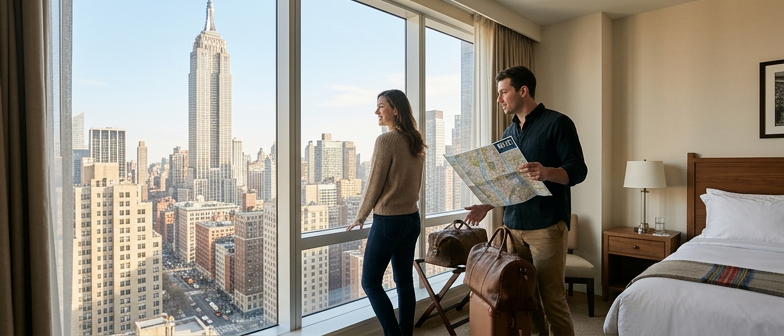
When you compare New York hotels near major attractions such as Times Square, Central Park, or the Museum of Modern Art, it helps to see location, budget, and convenience as a trade‑off instead of searching for one perfect spot. Staying within a short walk of big sights usually means higher nightly prices, especially once hotel rates including taxes and mandatory fees are added to the base rate. Being a few blocks away or one subway stop out can lower costs, give you slightly quieter streets, and still keep the places you want to visit within easy reach.
Thinking about where to stay near key sights also means looking at subway access, not only distance on a map. A hotel close to several lines can feel as convenient as one beside a single landmark, because you can ride directly to different neighborhoods without long walks or multiple transfers. Sketching your likely routes and comparing areas by both walking time and subway connectivity can clarify whether being in the busiest zone is worth the extra cost.
When comparing New York hotels near major attractions, it is useful to think in neighborhoods. Midtown, Times Square, and areas near Central Park place you within walking distance of theaters, museums, and famous viewpoints. These central districts suit visitors who want to be in the middle of the action, but they usually mean higher room prices and heavier crowds, especially in busy travel seasons.
Travelers who want both quick subway access and reasonable proximity to big sights may look just beyond the busiest streets. Parts of Hell’s Kitchen, the Upper West Side, and Downtown near the World Trade Center often feel more residential but still offer short rides to major museums, parks, and landmark buildings. Checking how close a hotel is to stations that link Midtown, Lower Manhattan, and Brooklyn can significantly reduce transit time and may provide slightly quieter surroundings.
Trip dates affect value as much as location. Central areas near popular attractions generally cost more around major holidays, school breaks, and large events, while late winter and parts of early spring are often among the cheapest months for many hotels. If your schedule is flexible, you can compare several neighborhoods for the same dates and then shift your stay toward periods when rates ease, combining a well connected area with more manageable costs.
| Neighborhood | Proximity to Major Attractions | Subway Access and Transfers | Typical Atmosphere | Best For |
|---|---|---|---|---|
| Times Square / Midtown | Very high, many sights walkable | High, multiple lines and hubs | Busy, bright, crowded | First‑time visitors focused on classic highlights |
| Central Park Area | High for parks and museums | High along main north–south routes | Leafy, mixed residential and touristy | Travelers who value green space and daytime sightseeing |
| Hell’s Kitchen Fringe | Medium, short walk or quick ride | High, near several Midtown stations | More local, lively but less hectic | Visitors seeking balance of access and slightly quieter blocks |
| Upper West Side | Medium, quick rides to central sights | High along key north–south lines | Residential, relaxed, family‑friendly feel | Guests prioritizing calmer streets and easy transit |
| Downtown / World Trade Center Area | High for Lower Manhattan landmarks | High, strong links to Midtown and Brooklyn | Modern business core with historic pockets | Sightseers combining downtown sights with cross‑borough trips |
When choosing New York hotels near attractions, decide how much you want to walk versus ride the subway. Staying in Midtown or near Times Square puts many major sights within walking distance, but prices and crowds are usually higher. Hotels a few stops away on reliable lines such as the 1, 2, 3, N, R, or E can be quieter and more affordable while keeping museums, parks, and landmarks a short ride away. Travelers planning late nights, airport trips on public transit, or visits to multiple neighborhoods often gain more from being close to several subway routes, while first‑time visitors focused on a small set of central attractions may accept higher costs to stay within an easy walk of them.
When comparing New York hotel prices, check whether totals include taxes and mandatory fees. Base rates often exclude city and state taxes, occupancy charges, and nightly facility or destination fees, so the real cost can be much higher. Many booking tools let you display an all‑in estimate; use this view and still click through to the last booking screen to see the full tax breakdown, mandatory fees, and the true nightly and total amounts for your dates.
Rates fluctuate with timing. Weeknights can be expensive during busy business periods, and some weekends or holidays jump because of leisure travel and events. Many years, late January through early March and some fall weeks are comparatively cheaper, but conventions, school breaks, and special events can change this. Flexible date calendars on hotel search sites help you see price patterns by day or week, so shifting your trip slightly within the same season can lower the overall bill.
Special rate types affect both price and flexibility. Advance purchase or other prepaid deals are sometimes lower but often restrict changes and cancellations, and some are fully nonrefundable. Member and AAA discounts may offer small savings or perks, so compare them with standard flexible options and read the conditions. Confirm whether payment is taken at booking or at check‑in, the deadline to cancel without penalty, and how easily you can change dates so you balance cost against flexibility.
When comparing discounted hotel rates in New York, do not focus only on the nightly price. Member deals from hotel loyalty programs or groups like auto clubs usually require you to show proof of membership at check in. Even basic, free loyalty tiers can unlock special rates, but the value varies by date and property, so it helps to compare these offers with standard and corporate prices before choosing.
Discounted advance purchase rates often involve stricter rules than flexible member or auto club options. Nonrefundable or prepaid bookings may charge your card before arrival and limit changes, while flexible plans may only take a deposit if you cancel after a stated deadline. Before booking, compare how much is due upfront, whether the stay is refundable, and the exact cancellation cutoff so the rate you pick aligns with your schedule and risk tolerance.
When picking New York hotels near attractions, look past location and price and check the policy details. Minimum check in ages are not the same at every NYC hotel, and requirements can change depending on whether you use a credit or debit card and whether incidentals can be charged to the room. If you are traveling with younger adults, confirm the age rule in the policy section and make sure the main guest whose name and card are on the booking meets that requirement, because staff usually verify ID and may deny check in if the minimum age is not met.
Before booking, review the cancellation rules for each room type so you understand the difference between refundable and advance purchase or other prepaid options. Flexible reservations normally let you cancel without a fee until a specific deadline, while missing that cutoff can lead to a charge for part or all of the stay. Prepaid and nonrefundable offers often cost less up front but allow little or no change to dates or length of stay. Consider how firm your plans are and the risk of schedule changes before choosing a lower rate with stricter conditions.
Deposits and payment timing vary among NYC hotels close to major attractions, so comparing them can help avoid surprises. Some properties only require a card guarantee and settle the bill at check out, while others charge a deposit or full prepayment at booking. At check in, hotels typically place a temporary hold to cover potential incidentals, and the amount can differ by brand and room type. Reading how much will be authorized, when holds are released, and whether your rate is refundable or prepaid makes it easier to choose a hotel policy that fits your budget and comfort with risk.
How can I stay near major New York attractions without overpaying?
Treat location as a trade‑off. Hotels directly at Times Square or Central Park usually cost more, especially after taxes and fees. Staying a few blocks or one subway stop away is often cheaper and still convenient.
How should I balance walking distance and subway access?
Decide if you prefer walking to a few main sights or riding the subway to many areas. If you will visit several neighborhoods or travel late, look for a hotel near more than one reliable subway line.
Why does my NYC hotel stay cost more than the first price shown?
The first rate may leave out city and state taxes, occupancy charges, and nightly facility fees. Always switch to a full‑cost view and check the last booking page for the total with all mandatory charges.
What should I review about deposits, refunds, and cancellation?
Read the rate rules before paying. Note whether it is prepaid or refundable, the cancellation deadline, any required deposit, and how many nights are charged if you cancel late or do not show.
What about minimum check‑in age and member discounts?
Minimum check‑in age varies by hotel and sometimes by payment type, so confirm it for the lead guest. Compare standard prices with member or AAA discounts and use the option with the best total cost.