
x
If you’re debating whether a travel trailer fits how you camp, this guide walks through key decisions—tow vehicle limits, layouts like lightweight or bunkhouse models, new versus used units, off‑road capability, dealer shopping, inspections, and financing—so you can choose the right trailer and budget confidently.
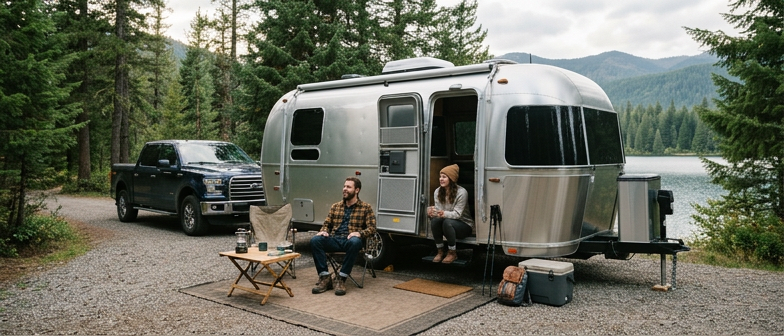
A travel trailer is a towable RV that hitches to the back of a suitable vehicle and gives you a self-contained living space wherever you park. Unlike a motorhome, it has no engine, so you drive your everyday truck or SUV and pull the trailer behind you. Layouts range from simple sleeping spaces with a small galley to full setups with a bedroom, bathroom, kitchen, and lounge area. When you start to seriously consider whether to buy a travel trailer, picture it as a movable small apartment that stays at the campground while your tow vehicle takes you out to explore.
For many first-time RV shoppers, a travel trailer fits everyday life well because it offers flexibility and value. You can unhitch at a campsite and use your vehicle for errands or sightseeing, and storage is often easier than with taller motorized rigs. Families appreciate having a dedicated place for kids or guests, while couples like being able to weekend camp and take longer road trips without buying a second vehicle. If you want the comforts of home on the road while keeping your driving familiar and your budget manageable, this type of RV is often a practical way to begin when you decide to buy a travel trailer.
Start by matching the layout to your family size and the tow vehicle you already own. A lightweight travel trailer can keep weight within the limits of midsize SUVs and half-ton trucks, but you still need to compare the trailer’s gross vehicle weight rating to your tow rating and payload. Couples often prefer open rear-living or front-bed floorplans with more lounge space, while families usually want a bunkhouse travel trailer that separates sleeping areas. As you compare options in a dealer’s travel trailer inventory, pay attention to bed size, bathroom access with the slideouts closed, and whether there is enough seating for everyone on a rainy day.
Your camping style should guide storage and interior organization. Weekend travelers who stay at full-hookup campgrounds may prioritize a comfortable dinette, entertainment setup, and an easy-to-use kitchen over huge exterior storage. Long-distance or seasonal campers typically need more wardrobe space, a pantry that holds bulk groceries, and outside compartments for grills, chairs, and tools. If you bring bikes, kayaks, or pet gear, look for floorplans with under-bed storage, gear racks, or rear cargo doors, and when you walk through new or used units, picture your daily routine and make sure there is a logical place for clothing, food, toiletries, and outdoor equipment.
Construction matters as much as layout, especially if you plan to leave pavement. An off road travel trailer typically adds higher ground clearance, stronger suspension, all-terrain tires, and protected tanks so rough roads do not damage critical systems. Even if you mostly stay in established parks, compare traditional aluminum siding to laminated fiberglass walls, roof materials, insulation levels, window quality, and frame protection against corrosion. Walking through several travel trailers side by side helps you feel differences in fit, finish, and rigidity so you can choose the build that matches how and where you camp.
| Trailer Type | Best For | Key Advantages | Main Tradeoffs |
|---|---|---|---|
| Lightweight travel trailer | Small families or couples with midsize tow vehicles | Easier towing, more campsite options, better fuel efficiency | Less interior space, smaller tanks, fewer residential features |
| Bunkhouse travel trailer | Families needing separate kid and guest beds | Dedicated bunks, defined sleeping zones, extra seating potential | Heavier to tow, longer overall length, may reduce storage flexibility |
| Off road travel trailer | Campers using rough roads or primitive sites | Higher clearance, stronger suspension, better protection underneath | Increased weight, firmer ride, may cost more and reduce fuel efficiency |
A lightweight travel trailer cuts overall weight with compact floorplans, clever storage, and lighter materials so more midsize SUVs and smaller trucks can tow it and owners get better fuel economy. You trade some interior room, tank size, and residential-style features, so this style suits couples or small families taking frequent short trips rather than long, off-grid stays.
A bunkhouse travel trailer is built for sleeping capacity, adding fixed bunk beds so kids or guests have their own space without converting the dinette. That extra room usually means a longer, heavier rig, so you have to match it carefully to your tow vehicle and think about campsite size, maneuvering in tighter parks, and the added fuel cost of pulling more trailer.
An off-road travel trailer emphasizes durability and ground clearance over maximum interior space, with stronger frames, upgraded suspension, all-terrain tires, and better protection for plumbing and underbody parts. The reinforced build adds weight and price, so this type makes sense if you often tackle rough roads, dispersed campsites, or remote parks and are willing to trade some luxury finishes for rugged capability.
When you start to buy a travel trailer, one of the first choices is whether to look at new travel trailers for sale or shop the used market. New models usually offer the latest floorplans, updated safety features, and a factory warranty, but they cost more and depreciate faster. Used travel trailers for sale are often more affordable and may already include upgrades like solar, leveling gear, or a weight-distribution hitch, yet you are depending on how the previous owner used and maintained the rig, so condition can vary widely.
Comparing new and used options means looking past shiny finishes and focusing on build quality and wear. With a new unit, check fit and finish, test every appliance, run water through the plumbing, and confirm that weight ratings and safety labels match your tow vehicle. With a pre-owned trailer, also check for soft spots in floors and walls, water stains around windows and roof seams, signs of mold or musty odors, uneven tire wear, and questionable electrical or propane modifications. In both cases, verify that required safety equipment such as breakaway switches, emergency exits, and propane detectors is present and working before you commit.
Because an RV is both a vehicle and a small home, a thorough pre-purchase inspection is critical whether you choose a brand-new model or a secondhand find. A professional RV inspector or qualified technician can pressure test plumbing and propane systems, check roof integrity, evaluate braking and running gear, and compare what they see against current industry codes and manufacturer guidelines. Their report helps you decide if a specific trailer is priced fairly, gives you leverage to negotiate repairs, or signals that you should keep looking before you buy a travel trailer.
Whether you are checking new travel trailers for sale on a dealer lot or comparing used travel trailers for sale from a private seller, safety starts with standards and inspection. Confirm a current RV certification label, make sure the VIN on the frame matches the title, and verify that weight ratings and tire load limits fit your tow vehicle. Before signing anything, inspect seams and roof edges for cracks, feel around windows and inside cabinets for soft spots or stains, test propane appliances and detectors, run the air conditioning and outlets on shore power, and confirm that brakes, breakaway switch, hitch coupler, and exterior lights all work so the trailer is truly roadworthy.
When you start shopping for a travel trailer for sale, approach it like a major purchase. Search for a travel trailer dealer near you and visit more than one location so you can compare how they operate and what support they offer after the sale. Notice whether the staff listens to your camping plans, clearly explains differences between models, and is willing to show both new and used units in their travel trailer inventory instead of pushing one rig. A solid dealership welcomes third-party inspections, lets you test major systems on the lot, and provides clear out-the-door pricing before you sit down to negotiate.
Pricing depends on more than the sticker. The same floor plan can cost more at a high-demand dealer or in peak season, so ask how freight, prep fees, and add-ons change the final number. Compare similar models across dealers and include taxes, documentation, and dealer-installed options so you are judging true total cost, not only the advertised price. Ask about discounts on last year’s models, manufacturer incentives, or savings if you are flexible on décor or options, and be ready to walk away if the dealer will not put every fee in writing or show how their quote stacks up against other travel trailers for sale.
Before signing anything, make sure you understand travel trailer financing so you do not commit to payments that strain your budget. Get loan offers from banks, credit unions, and the dealership’s lenders, comparing interest rates, terms, and any prepayment penalties, and look at total interest over the life of the loan, not just the monthly amount. Ask the finance manager to keep the trailer price separate from extras like extended warranties, service plans, and gap coverage, and decline anything you do not clearly understand or truly want. A sound deal fits comfortably in your budget, spells out exactly what you are paying for, and comes with service and support policies in writing.
What should I consider before I buy a travel trailer instead of a motorhome?
Match trailer weight to your tow vehicle, count how many beds you need, and decide if you like parking the trailer at camp while driving your truck or SUV separately. Also think about storage space and the size of campsites you use.
How do I pick between a lightweight travel trailer and a bunkhouse floorplan?
Choose a lighter camper if you tow with a midsize SUV or travel as one or two people. Go with a bunkhouse layout when kids or frequent guests need separate bunks and extra interior room.
What makes an off-road travel trailer different from a regular camper?
Off-road units usually add extra ground clearance, stronger frames, all-terrain tires, and better protection for tanks and plumbing so they handle rough roads and boondocking. They typically weigh and cost more.
How can I safely shop used travel trailers for sale?
Look for water stains, soft floors, and roof cracks, confirm VIN and title match, test propane and electrical systems, and check brakes, tires, and lights. Paying for a professional inspection is wise.
What should I know about dealers, inventory, and travel trailer financing?
Visit more than one local dealer, compare their in-stock models and service reviews, and ask for the full out-the-door price. For loans, compare credit union and dealer offers, total interest, and added fees.