
x
When your AC is blowing warm air or an older unit keeps failing, nearby HVAC repair services become urgent. This guide helps you compare local contractors, understand license checks, decide whether to repair or replace around 15 years, and know what to expect from diagnostics, refrigerant leak fixes, and maintenance plans.
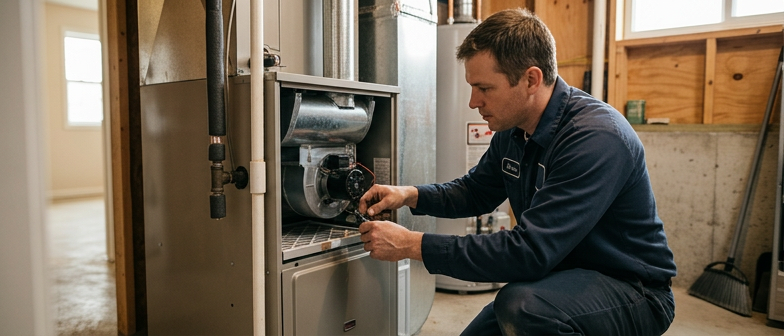
When people search for HVAC repair services near them, they are often facing problems that affect comfort or safety, such as an air conditioner blowing warm air or a system that will not start. A nearby HVAC company usually works on central air conditioners, furnaces, heat pumps, and ventilation issues, offering system checks, repairs, and sometimes maintenance plans. Technicians may inspect electrical parts, thermostats, refrigerant levels, ductwork, and airflow to find why a unit is struggling. Because refrigerant handling and many fixes are regulated, a qualified contractor is expected to follow building codes and environmental rules to protect the equipment and the people in the home.
Common urgent concerns include warm air from the AC and frozen indoor coils. If a system starts pushing out warm air, many homeowners contact a local contractor to check for incorrect thermostat settings, dirty filters, low refrigerant, or a failing compressor. When a coil is covered in ice, the usual advice is to turn off the system, let the ice melt, avoid chipping at it, and then call a professional to look for causes such as restricted airflow or a refrigerant problem. Local services often aim for prompt visits in these situations, but response time, pricing, and repair options vary by company policies, technician schedules, and parts availability.
To find a reliable local HVAC company, start with businesses that list a physical address, clear phone or online contact, and experience with your type of system. If you are a homeowner, focus on firms that mainly serve residential heating and cooling and are familiar with your equipment brand. Online reviews can be useful when you look for patterns such as consistent punctuality, clear explanations, and respectful service. Personal referrals from neighbors or coworkers who recently had HVAC work done can also help you understand how the company handled scheduling, cleanliness, and system performance after the visit.
Checking whether an HVAC contractor is properly licensed and insured helps protect you if something goes wrong. Licensing rules vary by state and sometimes by city or county, so you generally need to use the state licensing board or local building department website and search by business name or license number. Confirm the license is active and covers HVAC work. Ask the company for proof of general liability insurance and, where required, workers’ compensation coverage, and make sure the documents are current. Technicians who work with refrigerants may also hold federal certification, and you can ask if the person visiting your home has this training.
Before you hire an HVAC company, ask questions that clarify costs and how service is handled. Request details on the standard diagnostic fee, what is included, and whether that fee is reduced or waived if you approve the recommended repair. Ask how and when you will receive a written estimate, how long the company has been operating, and what parts and labor warranties they provide. It is also reasonable to ask who will do the work, whether you will receive a written summary of the visit, and how the company communicates delays or changes so you know what to expect.
| Checklist Item | What To Look For | Why It Matters | Priority |
|---|---|---|---|
| Local presence and contact | Physical address, responsive phone or online contact | Supports scheduling, follow‑up, and accountability | High |
| Residential HVAC experience | Regular work on home systems and your equipment brand | Improves diagnostic accuracy and repair quality | High |
| Licensing and insurance | Active HVAC license, liability and workers’ compensation proof | Helps protect you during accidents or code issues | High |
| Diagnostic fee and estimate policy | Clear fee, when it applies, written repair estimate process | Reduces confusion about costs and approval decisions | Medium |
| Technician qualifications | Training on refrigerants, documented certifications | Supports safe handling of AC and heat pump components | Medium |
| Communication and documentation | Written visit summary, clear updates on delays or changes | Keeps you informed about work status and future service | Medium |
Before you hire an HVAC contractor, confirm that both the company and the technicians hold the licenses required by local authorities. Use your state or city licensing website to search the business name or license number, and check that the status is active and matches the legal name on the estimate. Ask for proof of liability insurance, workers’ compensation, and, for air conditioning work, current certification to handle refrigerants.
Many contractors charge a diagnostic fee for the visit and troubleshooting, and some reduce or credit this amount if you approve the repair. Ask for the policy in writing on the estimate, including the cost of the diagnostic visit, when the fee is applied or waived, and whether it is credited to the repair. Clarify any minimum charges, after hours rates, and trip fees before work starts.
Around the 15‑year mark, an air conditioner is more likely to face major failures, lower efficiency, and refrigerant issues, but age alone does not require replacement. The key is to compare the repair estimate with the unit’s remaining expected life and how well it still cools your home. If the cost is high and the system breaks down often or struggles to maintain comfort, replacement with a newer, more efficient model can better balance comfort, reliability, and long‑term operating costs.
Energy use and repair history are central to this choice. Many older systems consume more electricity, and some use refrigerants that are being phased down, which can raise the price or complexity of work such as compressor or coil replacement. When a major repair is proposed, it helps to look at total ownership costs over the next several years, including utility bills and likely future service calls. If the unit has been well maintained, the issue is minor, and parts are easy to obtain, a focused repair may be reasonable for a few more seasons.
Delays while waiting on parts can also affect whether repair still makes sense. As equipment ages, some components become harder to source, leading to multi‑day or longer wait times, especially during peak cooling periods or when supply chains are strained. Before approving work, ask the contractor about parts availability, expected timelines, and whether safe temporary measures can keep the system operating. If the part is obsolete or the delay would leave you without reliable cooling for an extended time, it may be more practical to consider replacement instead of a difficult repair that offers only short‑term relief.
For an air conditioner around 15 years old, repair can still be reasonable if the system has been reliable, the issue is minor and low cost, comfort and bills are acceptable, the unit uses a current refrigerant, and there is no history of major leaks. A technician can check whether the rest of the system looks structurally sound so you can keep it a bit longer with limited risk.
Replacement becomes safer when repair estimates are high, major parts such as the compressor or coil are failing, or the unit breaks down often in hot weather. Older equipment is usually less efficient, so high utility bills, uneven cooling, or safety concerns are signals to request written estimates for both repair and replacement, including expected remaining life and efficiency differences.
If your AC is running but only blows warm air, check that the thermostat is set to cool, the temperature is lower than the room, and the outdoor unit has power with no tripped breaker. Replace any dirty air filter and make sure supply vents and return grilles are open. If the air is still warm, or you notice unusual noises or burning smells, contact a qualified HVAC technician, because issues like electrical faults, compressor problems, or low refrigerant require professional tools. When you see the indoor coil frozen, switch the system off, set the fan to run, and allow the ice to melt fully before restarting. A frozen coil often relates to poor airflow from clogged filters or blocked vents, but it can also signal refrigerant problems that should be evaluated by a professional rather than adjusted on your own.
Refrigerant leaks affect cooling performance, energy use, and compliance with safety regulations. Homeowners generally should not handle refrigerant, since recovering and charging it is restricted to trained and certified personnel. The time needed to repair a leak depends on how easy the leak point is to reach and how complex the system is. A simple, accessible leak can often be located, sealed, tested, and recharged within a few hours. Systems with multiple small leaks, corroded coils, or lines hidden behind finishes may require more extensive testing, return visits, or component replacement, which extends the schedule. During this work, a careful contractor identifies the correct refrigerant type, pressure tests for additional leaks, confirms operation after charging, and may discuss whether repeated leaks and equipment age make repair or replacement the more practical choice.
What issues do nearby HVAC repair technicians usually handle?
They typically fix AC blowing warm air, units that will not start, weak airflow, frozen coils, and common thermostat or electrical problems on central air, furnaces, and heat pumps.
How can I find a reliable HVAC company in my area?
Choose companies with a physical address, clear contacts, recent balanced reviews, and experience with your type of system. Ask neighbors for referrals and compare how each company explains work, prices, and timing.
How do I check if an HVAC contractor is licensed and insured?
Use your state or local licensing website to confirm the business name or license number is active, and request proof of liability insurance, workers’ compensation coverage, and current refrigerant handling credentials.
Is it better to repair or replace a 15‑year‑old AC unit?
If the fix is minor and costs are reasonable, repair can make sense. Repeated failures, very high repair estimates, or poor comfort usually suggest planning to replace the unit with a more efficient model.
Is an HVAC maintenance plan worth the cost?
It can be useful when it includes regular inspections, cleaning, safety checks, and service discounts. The value depends on the price, what is covered, and how often you run your heating and cooling system.