
x
If you’re unsure how a free solar panel quote can clarify costs, incentives, and financing options for your roof, this guide walks through what accurate estimates include, how long they take, and how to compare local installers, leases, loans, and assistance programs without relying on sales claims.
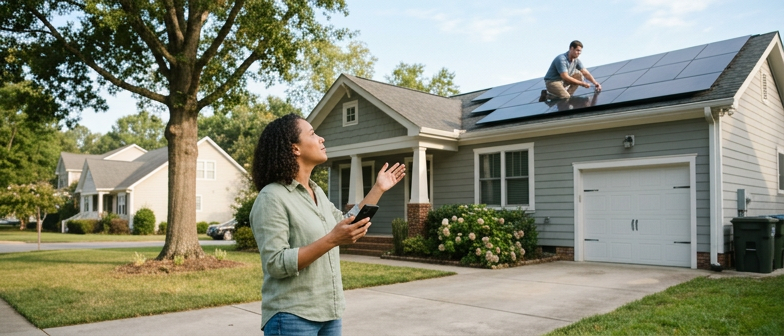
A free solar panel quote is an upfront planning document that outlines how a rooftop system could perform and what it may cost, without requiring a purchase. It is usually based on roof size, orientation, shading, and recent electricity use. From this information, the provider prepares an estimated energy production profile for the roof, showing expected annual output and seasonal patterns. These figures rely on modeling assumptions, local climate data, and equipment choices, so they should be treated as projections rather than guaranteed performance. A careful quote also explains what is included in the price, such as panels, inverters, mounting hardware, and installation work, and identifies items that are typically outside the scope, like major structural repairs or electrical service upgrades.
In addition to equipment and energy estimates, many quotes describe soft costs so homeowners can see which expenses are linked to local rules or utility requirements. This section may offer a preliminary estimate of solar permit fees, inspection charges, and interconnection costs, with the important note that actual amounts depend on current government fee schedules and utility policies. Some providers include an overview of incentives or tax provisions and show how these might influence the overall project budget if the homeowner meets eligibility criteria. A free quote is therefore best understood as an informational tool that outlines possible system designs, expected production, and approximate costs, not a guarantee of permits, incentives, or financing approval.
When comparing quotes from local solar installers, look beyond the headline price and examine what the written estimate actually includes. A clear proposal should list specific equipment models, expected energy production for your roof, and the terms for workmanship and product warranties. It is helpful if costs are itemized for hardware, labor, permitting, and any monitoring or maintenance services, rather than shown as a single bundled figure. Installers often prepare an initial quote within a few days after receiving your address, roof information, and recent electric bills, though timing can vary with project complexity and workload. If you prefer not to talk by phone, some companies use online forms or email to share estimates, but they may ask for detailed photos or roof plans so the quote is not based on rough assumptions.
To compare proposals fairly, review each one using consistent criteria such as total system size, estimated annual output, and projected long term energy savings under the stated assumptions. Check whether the quote explains local incentives, tax credits, and financing options separately from the base system price, and whether it identifies costs you might still pay, including permit fees or electrical panel upgrades. Be cautious about offers that promote very fast installation or guaranteed savings without explaining the conditions, because actual results depend on your roof, utility policies, and eligibility for incentives or financing. Reading each written estimate carefully, asking follow up questions in writing, and verifying key claims through independent sources can reduce the risk of misunderstanding and help you select a proposal that matches your budget and expectations.
| Quote Aspect | What To Look For | Risk Level | Best Fit User |
|---|---|---|---|
| Equipment Details | Named panel and inverter models | Low | Users comparing technology options |
| Warranty Terms | Clear workmanship and product coverage | Medium | Users focused on long‑term reliability |
| Cost Breakdown | Separate hardware, labor, and permitting | Medium | Users tracking overall project budget |
| Timeline And Process | Estimated quote and installation steps | Medium | Users needing schedule predictability |
| Communication Method | Option for email or online forms | Low | Users preferring a quote without phone calls |
| Incentives And Extra Costs | Explained credits plus permit or upgrade needs | High | Users evaluating incentives and financing impact |
Sharing a recent electric bill helps a solar installer understand your typical electricity use and current rates, which is important for estimating how much energy panels on your roof might produce and offset. Usage history and pricing data allow the installer to model a system size and prepare a written estimate that reflects your actual consumption. To protect privacy, you can send a redacted bill that hides account numbers, banking details, and other personal information while leaving the figures needed for the quote visible, and you can ask how your data will be stored and whether it is shared beyond preparing the estimate.
When you request a free solar panel quote, you will often see tax credits, rebates, and other incentives listed next to projected system costs. These items can lower what you pay, but they depend on current policies, utility programs, and your individual tax situation. A careful quote separates the gross system price from estimated incentives so you can see the before‑incentive and after‑incentive figures. Do not assume every incentive in a proposal applies to you; check eligibility through official government or utility information or with a qualified tax professional.
Solar loans, leases, and power purchase agreements spread costs differently over time and affect who owns the equipment. Any comparison of financing should describe the interest rate range, term length, total estimated payments over the life of the agreement, and conditions for approval. Lenders typically review factors such as credit history, debt‑to‑income ratio, and property characteristics before deciding on financing. Before relying on projected monthly payments or savings, ask which utility rate assumptions were used and whether there are fees for early payoff, transferring the agreement, or late payments.
Some proposals refer to low‑cost or no‑cost solar, but these usually involve specific assistance programs or long‑term contracts rather than completely free systems. To assess these claims, look for clear explanations of who owns the panels, how charges are calculated over time, and whether rates may increase. It is also useful to ask for estimates of related costs, including permit and inspection fees, interconnection charges, or potential electrical panel upgrades. Reviewing official program documents and checking with local permitting or utility offices can help you verify terms and avoid misunderstandings about the total cost of going solar.
Lease or power purchase agreements usually keep system ownership with a third party, which installs and maintains the equipment and may handle repairs. The homeowner pays a recurring fee under a contract that can last many years. This can lower upfront spending but limits control over equipment choices, future upgrades, and how easily the agreement can be changed or transferred when selling the home.
Solar loans typically lead to homeowner ownership after repayment, along with responsibility for maintenance and any performance issues. Owners may qualify to claim available incentives or tax benefits, subject to current rules and individual eligibility. Monthly loan costs can resemble lease payments, but long term results depend on interest charges, energy savings, and resale value. Comparing these options, including financing terms and incentive access, helps match the structure to household budget and risk tolerance.
Eligibility for solar assistance or incentive programs usually depends on household income, credit, property ownership, roof condition, and local rules. Some initiatives focus on moderate‑ or lower‑income residents or areas with high energy costs, and many require that you own the home or meet specific lease terms. To see whether you qualify, review official information from government energy offices or your utility, paying attention to how they define eligible properties and any income or credit thresholds. If advertising suggests solar is available at “no cost” for everyone, treat this as promotional language and compare the offer with neutral guidance from public agencies.
When requesting quotes, consumer protection is closely linked to how you share information and verify details. If you prefer not to give a phone number, look for installers that accept email or secure online portals, while understanding they still need your address and electric usage to prepare a realistic estimate. Before signing anything described as free, zero down, or no‑cost solar, read the full contract, including ownership, payment obligations, and any rate increases. Be cautious about pressure to decide immediately, unclear explanations of incentives, or reluctance to provide written documentation, and use independent consumer or energy resources to check what you are being offered.
What is typically included in a free solar panel quote?
It usually lists proposed equipment, a production estimate for your roof, basic installation work, and an upfront cost range, plus notes on excluded items such as major structural or electrical upgrades.
How long does it usually take to receive a written solar estimate?
For a typical home, many installers send an initial quote within a few business days after they have your address, roof details, and recent electric bills, while more complex projects can take longer.
Can I get a solar quote without providing a phone number?
Often yes. Some installers accept requests through online forms or email and may ask for clear roof photos, your site address, and usage data so the estimate is based on more than rough assumptions.
Why is my electric bill important for a free solar quote?
It shows how much electricity you use and what you pay. Installers rely on this to size the system, estimate potential bill reductions, and prepare a quote that reflects your actual consumption.
How can I compare solar incentives and financing offers?
Review the system price before incentives, then look at tax credits, rebates, leases, and loans separately. Confirm your eligibility through official government or utility information and be cautious of broad no‑cost claims.