
x
If you need copyright free music for monetized YouTube, podcasts, or commercial social content, this guide compares platform libraries, Creative Commons options, and monthly royalty‑free subscriptions so you can avoid Content ID problems and use licensed tracks confidently.
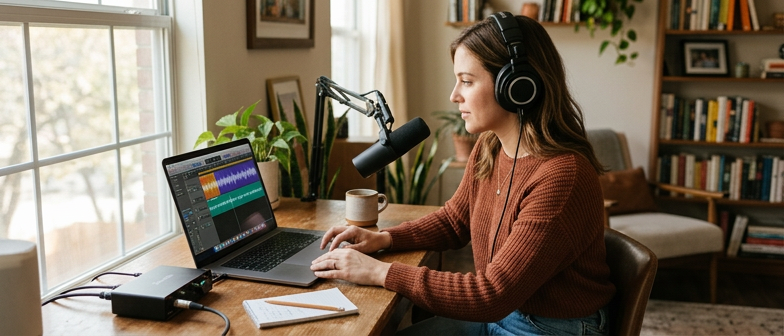
When people look for copyright free music, they usually want tracks they can use safely, not music without copyright at all. Nearly all songs are protected automatically, so what matters is the license. Royalty free music means you pay once or use a free license under specific conditions and do not owe ongoing per‑play fees. Creative Commons is another system where the composer sets rules such as attribution or noncommercial use. For creators who need copyright free music for monetized YouTube channels, the key is reading and obeying those license terms instead of assuming that free or royalty free means no limits.
This difference is crucial if you start with a free music plan for personal social content and later turn that same channel into a source of income. Noncommercial licenses can become a problem once ads, sponsorships, or platform monetization begin. Other licenses permit both personal and commercial use but may require crediting the composer or keeping proof of permission. Before uploading, confirm that a track can appear on social platforms and in monetized video, and check whether business use or channel growth changes the rules. Treat every music library, subscription, and free download as a separate agreement rather than assuming all so‑called copyright free music works the same way.
When you rely on platform libraries for copyright free music in monetized videos, do not assume every track is automatically safe. In YouTube’s Audio Library, some songs are truly copyright free for creators, while others require you to follow specific attribution rules listed beside the track. Before downloading, use the Audio Library music filters to separate tracks that need credit from those that do not and to narrow results by mood, length, or license type. This matters when you want copyright free music for monetized YouTube uploads that will not be flagged by Content ID or demonetized later. The Audio Library license is mainly intended for use on YouTube, so reusing those files on other platforms without checking the terms can still create rights issues.
YouTube’s newer Creator Music catalog adds license terms, eligibility limits, and revenue‑sharing models that you must read carefully. Some options are only available to channels that meet YouTube Creator Music eligibility criteria, and others may let you keep all ad revenue or split it with the rights holder. Always confirm that the license you select allows monetization on your own channel and keep proof of the license in case you need to respond to a Content ID dispute or show that you followed the rules. By treating both the Audio Library and Creator Music as regulated licensing platforms rather than a pile of free background tracks, you can safely use music in online video and protect your channel’s long‑term monetization.
| Checklist Item | Why It Matters | Risk Level If Ignored | Applies To |
|---|---|---|---|
| Check Youtube Audio Library license type | Confirms music is allowed for monetized uploads | High | Audio Library |
| Use Youtube Audio Library filters before download | Avoids picking tracks with unwanted restrictions | Medium | Audio Library |
| Verify attribution rules beside each track | Prevents claims over missing or incorrect credit | High | Audio Library |
| Confirm Youtube Creator Music monetization terms | Ensures ad revenue is kept or shared as expected | High | Creator Music |
| Check channel eligibility for Youtube Creator Music | Avoids relying on licenses not valid for the channel | Medium | Creator Music |
| Store proof of license for selected tracks | Supports responses to future Content ID disputes | High | Audio Library & Creator Music |
Even with copyright free music on a monetized YouTube channel, Content ID can still flag a video if the track is registered by a rights holder. Claims usually appear shortly after upload, and most disputes are resolved within about one to four weeks. During this time, ad revenue may go to the claimant, be held, or stay with you, depending on how YouTube treats the specific claim and whether the track is genuinely cleared for monetized YouTube use.
Before disputing, prepare solid proof of license for the track. Useful evidence includes your license receipt or confirmation email, the platform and plan you use, the track title and composer, your channel ID, and the license period. In the dispute text, clearly state you hold a valid license, add key license details, and confirm that your use follows the provider’s terms. Keeping organized records for every song makes it easier to answer Content ID claims and show that your music use is properly licensed.
Beyond built‑in platform tools, many creators rely on independent catalogs that specialize in copyright free music or simple royalty free licenses. Mixkit, for example, curates tracks that can be used in podcast episodes without per‑track fees, as long as you follow its license and do not resell the audio itself. Visual creators often turn to the music section on Pixabay, which is labeled for commercial use so you can add background scores to branded clips, ads, or client projects. These sites usually let you download and keep tracks for ongoing work but may block uses such as music compilations or distributing the audio as a standalone product, so checking the license page before publishing remains essential.
Many providers separate personal and professional use by offering a free music plan for personal social content and paid tiers for brands, clients, and monetized campaigns. Under a personal plan you can add licensed tracks to your own feeds or hobby videos as long as you do not claim ownership or try to register the music with Content ID systems. Once a project involves sponsorships, podcast advertising, or commercial clients, you typically need an upgraded license that clearly covers those uses and identifies who holds the rights. Keeping a copy of your license or plan confirmation and downloading tracks only from official sources helps you show legitimate access if a video or podcast is ever questioned.
Much Copyright Free Music is released under Creative Commons or similar free licenses, and each one has specific conditions. Some licenses only cover a free music plan for personal social content, while others allow broader use but demand clear credit to the artist and source. Before adding any track, check the license page to confirm whether commercial use is permitted, whether attribution is required, and whether editing or remixing is limited. Treat every license as a binding agreement: following the terms keeps your use within the promise of copyright free music, ignoring them can still lead to takedowns or copyright claims even when the track was promoted as free.
A monthly royalty free music subscription gives predictable access to a catalog of copyright free music without buying single-track licenses. For solo creators, plans usually cover personal channels and social profiles, so you can use music in videos, podcasts, or livestreams on the listed platforms if you follow attribution and monetization rules. Business subscriptions are built for commercial campaigns and often include multiple brands, paid ads, in-store playback, and client projects. The key is clear licensing: check whether one subscription covers monetized YouTube content, sponsored podcasts, and client work, or whether each channel or client needs a separate plan.
When comparing commercial music subscription options, treat the terms like a business contract. Confirm whether published content remains licensed if you cancel or if you must replace tracks later. Make sure commercial use, including client work, boosted posts, and online ads, is permitted and that major platforms such as YouTube, TikTok, and podcast networks are explicitly covered. Look for information on Content ID, including proof of license and support with disputes, and review limits on team access, regions, and media types so the subscription actually matches how you use copyright free music across your projects.
| Option Type | Pros | Cons | Best For | Content ID / License Notes |
|---|---|---|---|---|
| Monthly royalty free music subscription | Predictable catalog access | Ongoing commitment | Regular video and podcast creators | Often provides proof of license and dispute support |
| Personal creator subscription plan | Covers own channels and profiles | Limited client and ad usage | Solo creators with monetized YouTube and social feeds | Usually tied to specific platforms and attribution rules |
| Commercial business subscription | Covers brands, campaigns, and client work | More complex terms and restrictions | Agencies, marketers, and in‑store playback | Must confirm long‑term license after cancellation |
| Free platform music libraries | No subscription payments | Narrower licenses and platform lock‑in | Occasional creators with simple projects | Requires careful reading of attribution and Content ID rules |
What does “copyright free music” usually mean for YouTube creators?
It means music licensed for safe use, including on monetized channels, as long as you follow the rules such as attribution, platform limits, and no reselling.
Can I use Mixkit music in podcast episodes without per‑track fees?
Yes. Mixkit lets you add music to podcasts without paying per track, but you must follow its license and not sell or redistribute the audio on its own.
Is music from Pixabay allowed in commercial client projects?
Pixabay music is marked for commercial use, so you can use it in branded or client videos if you respect the license and avoid pure music compilations or reselling.
How long do YouTube Content ID disputes usually take when I have a license?
Disputes typically resolve in about one to four weeks. Explain that you hold a valid license and provide proof if requested so YouTube can decide the ad revenue.
Are monthly royalty‑free music subscriptions useful for monetized YouTube channels?
They can be if the plan clearly covers monetized YouTube, other platforms, and sponsored or client work. Read the license and keep records for possible Content ID claims.