
x
Wondering if home blood testing is right for you, how much fasting matters, or whether finger‑stick kits like at‑home cholesterol or A1C tests hurt? This guide compares common home kits, explains how to choose and use them safely, and shows when you still need in‑person care.
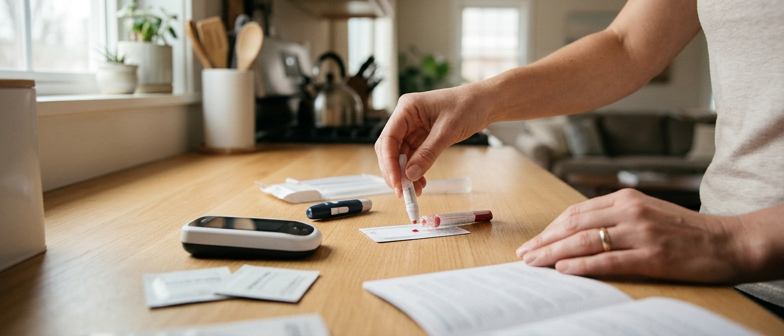
Home blood testing lets you collect a small sample where you live and either read results yourself or mail the sample to a certified lab for analysis. Many kits focus on cholesterol, blood sugar, or general wellness panels and belong to the broader group of direct-to-consumer tests. Some provide instant readings on a handheld device, while others rely on lab instruments once your dried blood spot or small tube reaches the testing facility. Used correctly, they can help you follow treatment plans, watch long-term trends, and decide when to schedule an in-person visit.
These tests also have limits. Home blood testing does not replace a full medical workup, cannot diagnose every condition, and may miss problems if you collect the sample poorly or ignore the instructions. Even when a certified lab processes the sample, results still need to be interpreted in light of your symptoms, medications, and history. Direct-to-consumer test results are best seen as tools for screening and monitoring, not as final answers, and any unexpected or worrisome finding should be confirmed and discussed with a licensed clinician.
Home blood testing includes several major categories that answer different health questions. A common option is an at-home cholesterol blood test, which measures total cholesterol, HDL, LDL, and sometimes triglycerides to help you monitor cardiovascular risk between in-person visits. Many kits have you collect a small blood sample at home and mail it to a certified lab for home blood test analysis, with results returned online or by mail. These tools support people who already have a primary care provider and want extra data between regular checkups, but they are not meant for urgent symptoms like chest pain or sudden shortness of breath, which always require immediate medical care.
For blood sugar management, a home A1C test kit and self-monitoring blood glucose devices play different roles. Finger-stick glucose meters show your current blood sugar level and guide daily choices about food, activity, or medication. In contrast, an at-home A1C kit estimates your average blood glucose over about three months and shows whether long-term control is on track. When deciding which home blood test you need for diabetes questions, glucose meters provide real-time feedback, while A1C tests reveal overall trends, and both still need to be interpreted alongside lab-based tests and professional advice.
Other home blood tests focus on general wellness, hormone levels, or specific conditions, but each kit should match a clear question, such as checking lipid levels or tracking diabetes control over time. If you do not know which home blood test you need, or your symptoms are new, severe, or getting worse, a visit with a clinician or direct testing at a certified laboratory is safer and more dependable. Home blood testing kits are meant to supplement, not replace, professional medical evaluation, and they work best when they help you bring clearer questions and better information to your health care team.
| Home blood test type | Best for | Key benefit | Main limitation |
|---|---|---|---|
| At home cholesterol blood test | Monitoring heart risk between visits | Tracks lipid patterns over time | Does not handle urgent symptoms |
| Home A1C test kit | Checking long‑term diabetes control | Shows multi‑month glucose trends | Needs professional interpretation |
| Self‑monitoring blood glucose meter | Day‑to‑day diabetes self‑management | Gives immediate feedback on levels | Reflects only single moments |
| Lab‑processed wellness or hormone panel | General health curiosity or tracking | Broad overview of multiple markers | May not address specific symptoms |
| Certified lab home test ordered by clinician | Ongoing disease monitoring with guidance | Integrates with medical records and care plan | Usually requires appointments or follow‑up |
When deciding how to choose a home blood kit, confirm that the test and any partner service use a certified lab for home blood test processing and clearly state accreditation and quality standards. Check that the kit is cleared for home use, includes plain‑language instructions, explains what the results can and cannot show, and describes how your data are stored and shared so your home blood testing results are reliable enough to discuss with your clinician.
Then match the type of kit to your needs and comfort. A simple fingerstick may be enough for a single cholesterol check or a quick A1C screening, while mail‑in services are better for broader panels processed in a professional laboratory. Some people prefer in‑home mobile phlebotomy for a standard venous draw. Consider how much blood you can comfortably collect, how fast you need results, whether you want online reports, and if any prescription is required where you live before buying.
Before you begin any home blood testing, read the instructions completely so you know what the kit measures, whether it is an FDA‑cleared home-use test, and if your sample goes to a certified lab or is read on the device. Ask your healthcare provider in advance whether you need a prescription for home blood testing, especially for kits that require mailing a sample or might lead to medication changes. Keep a list of all prescriptions, over‑the‑counter drugs, and supplements, and confirm which ones could affect results or need to be timed differently on the day of testing.
Fasting before a home blood test is only needed when the kit instructions or your clinician clearly require it, often for certain cholesterol, glucose, or metabolic tests. If you must fast, avoid food, drinks other than water, alcohol, and heavy exercise for the recommended hours. Plan the test for a calm time, wash and dry your hands well, and work on a clean, well‑lit surface. Lay out all kit components before you prick your finger, and carefully check labels, times, sealing steps, and mailing instructions so your sample is identified correctly and not delayed or rejected.
Most home blood testing kits for wellness panels, cholesterol checks, or a home A1C test kit are direct-to-consumer and do not need a prescription, so you can order them yourself and collect your own sample. Tests that diagnose or monitor specific diseases, guide medication changes, or rely on a certified lab for home blood test analysis may still require a doctor’s order, and some states limit which lab work you can arrange on your own.
Because it can be unclear which home blood test you really need, involving a healthcare professional is helpful even when no prescription is required. A doctor, nurse practitioner, or telehealth service can recommend appropriate testing, explain your results in the context of your history, and decide whether you need repeat labs or in‑person care, so direct-to-consumer testing fits safely into your overall treatment plan.
When you use a home blood testing kit, read the instructions fully before opening anything so you know how to collect a fingerstick sample. Wash your hands with warm water, dry them well, and let blood flow to the fingertips by gently massaging your hand. Use the lancet on the side of your fingertip rather than the center, since this area has fewer nerve endings and can make the process feel less painful if you are worried about whether home blood testing hurts. Wipe away the first drop with a clean tissue, then let the next drops fall by gravity into the collection device without squeezing hard, because strong pressure can dilute the sample with tissue fluid and affect results. People who already do self‑monitoring blood glucose will recognize many of these steps, but lab tests need a slightly larger and more carefully collected sample.
To reduce bruising from a home blood test, keep your hand below heart level while collecting and avoid repeatedly using the same finger. After you collect enough blood, press firmly with clean gauze for several minutes and then keep your finger elevated, which helps limit oozing and small under‑skin blood spots. A small bruise or tenderness may still appear but usually fades quickly; if you bruise easily, briefly apply a cool pack wrapped in cloth after the bleeding stops. If you take blood thinners, have a bleeding disorder, or notice ongoing pain, swelling, warmth, or pus, contact a clinician instead of doing more at‑home collections so you stay safe while following kit directions.
Properly mailing a home blood test sample is as important as collecting it. Most kits include a drying step, a transport container, and a prepaid mailer addressed to a certified lab that processes home tests, and you should use only the materials supplied. Fill in every label and consent form with your name, date of birth, and collection time exactly as requested so the laboratory can match results correctly. Seal the sample container, place it into any protective sleeve or absorbent pouch, then put everything into the outer envelope or box and close it firmly before mailing the same day, preferably early, so the sample spends less time in transit. Follow any guidance about avoiding extreme heat or cold and drop it at the specified mailbox or carrier so your home blood test sample arrives in good condition.
What can home blood testing do, and what can’t it replace?
Home blood testing can track cholesterol, A1C, and other wellness markers with samples sent to a certified lab, but it cannot replace in‑person exams or urgent care for chest pain, trouble breathing, or other emergencies.
How do I choose an at‑home cholesterol blood test?
Pick a kit that measures total, HDL, and LDL cholesterol plus triglycerides, explains how the numbers relate to heart risk, and provides a report you can share with your clinician.
Do I need to fast before a home blood test?
For lipid or glucose testing, many kits require 8–12 hours of fasting; follow the package directions and ask your clinician if your medicines make skipping food unsafe.
Does a home blood test hurt or cause bruising?
You may feel a brief sting from the lancet. Using the side of the fingertip, avoiding hard squeezing, and pressing with clean gauze afterward can limit pain and bruising.
How do I mail a home blood sample to the lab?
Fill the card or tube to the marked line, let any dried blood spot air‑dry, then seal it in the supplied pouch, label it, and mail it the same day in the prepaid package.