
x
If you’re tired of crash diets and rebound weight gain, this guide shows how healthy weight loss really works: realistic methods, nutrition tweaks, movement habits, and red flags to spot unsafe “fast results” promises while building a sustainable weight‑loss lifestyle over the coming months.
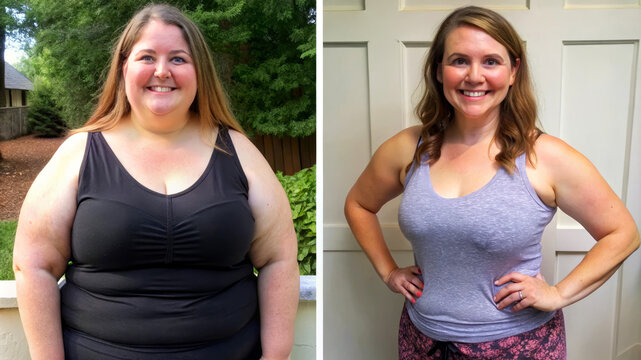
Healthy weight loss is not about shrinking your body as fast as possible; it is about changing how your body works and how you live so that a lower weight can actually stay off. Instead of crash diets or extreme workout plans, a healthy approach focuses on steady, realistic changes in how you eat, move, sleep, and handle stress. Most experts define a safe rate as about one to two pounds per week, so you should think in terms of weight loss in months, not days. This slower pace lets your metabolism adapt, helps you keep muscle while losing fat, and makes it less likely that you will regain everything once a strict plan ends.
Seeing weight loss as a long-term lifestyle shift also changes what success means. The real goal is not a perfect number on the scale, but better blood pressure, more energy, less joint pain, and greater confidence in everyday life. A healthy weight loss lifestyle is built on habits you can imagine keeping next season and next year, like cooking more at home, walking after dinner, or cutting back on late-night snacking. When you judge your progress by these lasting patterns instead of dramatic weekly results, you create a way of living that supports your health and makes a healthier weight much more sustainable.
The most reliable weight loss methods are boring on purpose: they focus on steady calorie control, not dramatic tricks. Healthy weight loss starts with what and how much you eat, aiming for a modest calorie deficit instead of extreme restriction. Building meals around vegetables, lean protein, whole grains, and healthy fats helps you feel full on fewer calories, while limiting sugary drinks, ultra-processed snacks, and oversized portions. Simple weight loss tips like eating mostly at home, keeping trigger foods out of sight, and tracking your intake in an app or food journal can quietly cut hundreds of calories a day without crash dieting. These approaches support your metabolism and reduce the rebound weight gain that follows very low calorie fads.
Movement and behavior change turn those nutrition choices into a sustainable lifestyle instead of a short-term project. Regular physical activity, especially a mix of brisk walking or other cardio plus basic strength training, burns calories in the moment and preserves muscle as you lose weight, which matters for long-term results. Rather than chasing fast weight loss methods that promise dramatic weekly drops, effective plans set realistic goals, like losing weight over several months while practicing habits you can keep for years. Planning ahead for meals, setting specific but flexible routines, managing stress, and getting enough sleep all reduce the urge to overeat and make your weight loss lifestyle feel doable in real life, not just on paper.
| Weight Loss Method | Sustainability | Lifestyle Fit | Support Needed | Best For |
|---|---|---|---|---|
| Calorie‑aware home cooking | High | Works with family routines | Low to medium | People who like planning meals |
| Food tracking apps or journals | Medium to high | Good for data‑oriented types | Medium | Those who want clear daily feedback |
| Balanced cardio plus strength training | High | Flexible around busy schedules | Medium | Beginners aiming for healthy weight loss |
| Intensive behavior coaching programs | High | Structured, habit‑focused lifestyle | High | People needing accountability and guidance |
| Very low calorie or crash diets | Low | Hard to fit real‑life events | Medium | Short‑term results seekers, not recommended |
Treat nutrition as the backbone of a realistic weight loss lifestyle, not a short challenge. Use simple, durable weight loss tips: build meals around vegetables, lean protein, high fiber carbs, and a small amount of healthy fats. Use smaller plates or pre-portion snacks so your default habits support healthy weight loss without relying on constant willpower. Pause halfway through a meal, notice how full you feel, and decide if you truly need more; this mindful check makes it easier to stop when you are satisfied instead of stuffed. Choose mostly minimally processed foods you enjoy so your eating pattern is sustainable for months.
To keep your weight loss sustainable, focus on food quality and basic planning rather than fast fixes. Swap sugary drinks for water or unsweetened tea, trade fried foods for grilled options, and keep quick staples like frozen vegetables and canned beans on hand. Sketch a simple meal outline for a few days and prep one or two proteins or grain bases so you are less tempted by fast food when tired or stressed. When your kitchen, grocery list, and routine are set up this way, your everyday eating quietly supports steady, healthy weight management.
Physical activity is one of the most reliable weight loss methods because it helps you burn calories while protecting muscle. For steady progress over months, aim for a mix of moderate cardio, like brisk walking or cycling, and basic strength training two or three times a week. Start with short, comfortable sessions and slowly increase time or intensity so your body can adapt safely, especially if you have been inactive or have medical conditions.
Small boosts in everyday movement are just as important for a lasting weight loss lifestyle. Walking more steps, taking the stairs, standing up to stretch, doing light chores, or playing with kids or pets all add to your total calorie burn and support healthy weight loss over months. Choose activities you enjoy, notice how they affect your energy and sleep, and ease back if you feel pain, dizziness, or unusual shortness of breath.
Many popular fast weight loss methods promise dramatic results in days or weeks by slashing calories, cutting out entire food groups, or relying on very low calorie shakes and cleanses. These aggressive weight loss methods often cause quick changes on the scale, mostly from water, glycogen, and sometimes muscle rather than body fat. People may feel briefly motivated by rapid results but often face intense hunger, low energy, irritability, and trouble concentrating, so these plans are hard to maintain and do not support practical, healthy weight loss habits.
Over time, extreme or crash approaches can slow your metabolism, raise the risk of nutrient deficiencies, and trigger repeated cycles of losing and regaining weight, which are linked with higher health risks. Many people regain more than they lost and blame themselves instead of the method. A healthier way to manage your weight focuses on gradual, realistic changes in eating and activity that you can maintain for months and years. Choosing steady, sustainable progress, emphasizing whole foods, and thinking in terms of a long-term lifestyle instead of quick fixes protects your health while supporting lasting results.
A major warning sign is any fast weight loss method that claims huge results in days or a couple of weeks with no effort or side effects. Healthy weight loss is gradual, so promises like “lose 30 pounds this month” or “eat anything and still melt fat” are unrealistic. Be wary of programs that say they work for everyone, lean on dramatic before-and-after photos, or push secret tricks instead of basic habits like balanced meals and regular movement.
Another red flag is a plan that cuts out whole food groups, relies only on powders or pills, or demands rules that disrupt normal life. Unsafe approaches may tell you not to talk with your doctr, even if you have health conditions. If a promise sounds too good to be true, or you feel unwell, overly restricted, or pushed to buy add-ons, stop and get professional advice so your approach to losing weight protects your long-term health.
What does truly healthy weight loss mean in practice?
It means losing about 1–2 pounds per week by changing how you eat, move, sleep, and manage stress so the lower weight is realistic to maintain, not just a short crash diet result.
Which basic weight loss methods actually work for most people?
Create a modest calorie deficit, eat mostly whole foods, limit sugary drinks and ultra-processed snacks, watch portions, and use simple tools like food logging instead of extreme diets.
What are some nutrition strategies for a long‑term weight loss lifestyle?
Base meals on vegetables, lean protein, and high‑fiber carbs, add a little healthy fat, pre‑portion snacks, use smaller plates, and pause mid‑meal to check your fullness before continuing.
Are fast weight loss methods ever a good idea?
Very rapid plans mostly drop water and glycogen, often cost you muscle, and cause fatigue and intense hunger, so they are rarely worth it unless supervised for a specific medical reason.
How can I tell if a weight loss promise is unsafe or unrealistic?
Be skeptical of claims like huge losses in a few days, “effortless” results, secret tricks, or programs that ignore basics like balanced eating and regular movement for several months.