
x
Sticker shock is common when pricing pouch lines: one setup might cost little more than a car, another rivals a house, and fully integrated systems can approach plant-level investments. Understanding how speed, automation level, product type, and future expansion plans shape those numbers is crucial.
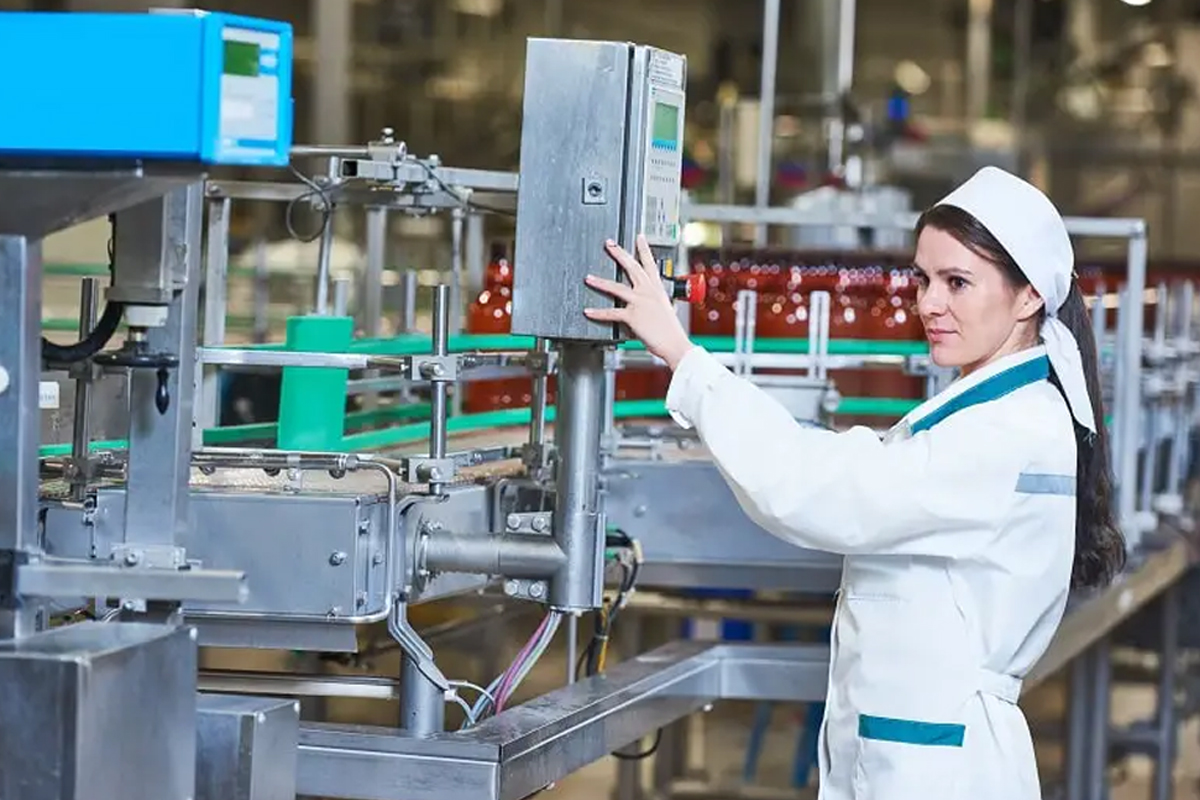
From the outside, most systems seem to do the same job: form a bag, dose product, and seal it. The wide price spread comes from how much throughput, flexibility, and future readiness you buy in a single frame. A compact unit that handles one product and one pouch format at modest speed is essentially a precise, repeatable manual operation replacement. A fully integrated line, in contrast, is an automated mini-plant that connects bulk product at one end to pallet-ready cases at the other.
Price also reflects how well the equipment handles today’s and tomorrow’s films. Newer, thinner and more recyclable materials behave differently in forming tubes and sealing jaws, so builders add better temperature control, tension management, and advanced jaw designs. That engineering time, plus sturdier frames, cleaner hygiene design, and smarter controls, all land in the purchase price long before the first pouch rolls off the line.
Rising demand for single-serve, snack-size, and on‑the‑go packs pushes equipment toward higher speeds and nicer-looking seals. Retailers and brands want easy-tear openings, zippers, and crisp print registration, so machinery needs more accurate web handling and dosing. At the same time, pressure for recyclable or mono-material structures raises the bar for film handling.
None of these items appear as separate line entries on a quote, but they shape the portfolio of models a builder offers and where each sits on the price ladder. A newer generation of gear typically costs more than legacy units, yet that premium often buys access to newer pouch styles, upgraded sustainability options, and tighter quality.
Most buyers start by staring at “bags per minute.” A more useful metric is “sellable bags per shift.” That number folds in changeovers, film splices, cleaning, and unplanned stops. A low-cost machine might boast a flashy top speed but require frequent operator tweaks, so average output ends up far below the spec sheet.
A simple way to right-size is to work backward: expected weekly volume, operating days, and practical shift length. Divide volume by available minutes to get a realistic speed band. Then confirm upstream processes—mixing, cooking, cooling, or blending—can actually feed that rate. Paying for a very fast packer that spends hours waiting for product burns capital without increasing shipments.
A lower initial price can hide higher cost per bag. Frequent stops, manual adjustments, and higher scrap rates all drive up labor and material losses. On the other hand, a more expensive line with accurate dosing, stable temperature control, integrated checkweighing, and auto-reject can reduce overfill, cut waste, and protect quality claims.
For many U.S. plants, labor is the biggest lever. A system that needs three operators instead of one can erase the savings from a cheaper purchase within a few seasons. Factoring in wages, benefits, overtime, and training changes the math: total operating cost often matters more than the invoice number.
| Scenario type | Typical labor needs per line | Hidden budget impact |
|---|---|---|
| Low-cost, semi-manual | Multiple operators plus fixer | Higher wages, more training, more downtime |
| Mid-range, semi-automatic | One operator plus shared support | Balanced labor; some oversight still needed |
| High-automation line | One operator, periodic technician | Higher capex, but labor per pouch much lower |
A quick cost-per-pouch estimate that includes labor, scrap, and consumables often flips which option is truly “cheaper.”
Compact dosing-and-seal units are the common starting point for smaller brands or test launches. They typically work with pre-made bags or simple film paths and a focused product set: powders, granules, or straightforward liquids. Their strengths are lower upfront cost, small footprint, and relatively simple installation.
The tradeoff is limited speed and more reliance on people for feeding, bag loading, and inspection. Changeovers can chew up time if bag sizes or products shift often. For a co‑packer running many short runs a day, lost minutes add up quickly. For a single‑SKU product, though, these machines can offer very attractive cost per bag.
Vertical form‑fill‑seal (VFFS) systems pull film from a roll, shape it into a tube, seal the back seam, form the bottom, fill, and seal the top—often at impressive speeds. When paired with multihead weighers for snacks, augers for powders, or pumps for sauces, they can cover a wide range of products from one platform.
These lines tend to sit higher on the price curve because they do more in one frame: automatic film tracking, corrective web control, precise temperature zoning, and synchronization with downstream checkweighers, metal detectors, or case packers. For operations targeting large volumes, better retailer compliance, or tight quality specs, the added spend frequently pays back through higher uptime and fewer headaches.
Refurbished or used machines promise access to higher-end technology at a discount. A rebuilt VFFS system can cost closer to a new compact filler than to a new high-speed line, especially if the builder upgrades key components like PLCs, HMIs, and sealing modules.
The catch is variation: some units are fully overhauled with new controls and documentation; others get only cosmetic cleanup. Prospective buyers need clarity on spare parts availability, film compatibility, and service support. In many U.S. operations, access to local technicians and stateside parts inventories matters as much as the sticker discount.
| Buyer profile | Compact filler bias | Vertical line bias | Refurbished bias |
|---|---|---|---|
| New brand, uncertain volume | Strong | Moderate | Moderate (if support is solid) |
| Established plant, growing demand | Low | Strong | Strong for auxiliary lines |
| Co‑packer, many small SKUs | Moderate | Strong | Strong, depending on flexibility |
Looking at buyer profiles helps sharpen which option fits both budget and risk tolerance.
No modern operation stays frozen. Flavors, sizes, and promotions shift constantly. Machines built only for one narrow pouch size or one easy-flowing product may run beautifully—until marketing adds a new size, a zipper, or a chunkier inclusion. Equipment with wider forming ranges, modular dosing, and recipe-based controls carries a premium but can keep new projects in-house instead of forcing another big purchase.
Changeover design is crucial. Clear mechanical scales, tool-less adjustments, quick‑release parts, and stored parameter sets can cut changeover from hours to minutes. For a plant juggling supermarket SKUs, club-size packs, and trial sizes, those minutes quickly become extra pallets on a truck.
Film and laminates look like consumables, yet they feed directly back into machine pricing. Thinner gauges and mono-material films are often stiffer in some directions and softer in others, with narrower sealing windows. To run them well, builders use better temperature sensors, more segmented heating zones, finer pressure control, and smarter tension systems.
That engineering ends up embedded in newer models. Older machines may only limp along with sustainable films unless retrofitted. For U.S. brands targeting retailer or corporate packaging goals around recyclability, it can be safer to pay more now for equipment clearly rated to handle next‑generation films instead of gambling on upgrades later.
In many domestic facilities, floor space and people are the hard limits. If a building cannot easily add more lines, the path to higher output is a faster, better‑automated line in the same footprint. Consolidating three slower machines into one high-throughput system can trim utilities, supervision, and maintenance overhead.
Peak seasons are another stress test. When demand spikes around promotions or holidays, a slow packer drives up finished‑goods inventory because product must be built early. A faster packer that can respond closer to real demand shortens inventory cycles and cuts warehouse pressure. Those savings live in the finance sheet, not in the equipment spec, but they influence how quickly a pricier line pays for itself.
Not every operation should jump straight to a top-tier system. A practical path is staging: start with a robust stand‑alone machine that can later tie into conveyors, inspection modules, case packing, and finally palletizing. Choosing a platform with open controls, extra I/O capacity, and mechanical room for add‑ons keeps that door open.
This approach lets a team learn how the product really behaves in pouches, how fast sales ramp, and which SKUs justify further automation. Capital spreads over several years while the packaging cell grows from “smart manual assist” to “semi‑integrated line” and, eventually, to “full system.”
The real balancing act is not simply cheap versus expensive. It is which combination of speed, flexibility, labor needs, and material readiness supports the business plan over several years. Once those priorities are clear, price tags on compact machines, vertical lines, and refurbished gear start to fall into a more logical order.
How is the automatic pouch packing machine price usually calculated in the U.S. market?
Pricing typically depends on automation level, output speed, pouch formats supported, material compatibility, and integration needs (printers, checkweighers, metal detectors), plus installation, training, and after‑sales service packages.
What factors most affect vertical form-fill-seal machine cost for food producers?
Key drivers are required throughput, film width, hygiene design (washdown or not), changeover speed, servo vs pneumatic control, and whether you need multi-head weighers, gas flushing, or advanced controls for recipe management.
What should buyers check when comparing pouch filling machines for sale online?
Beyond price, evaluate build quality, spare parts availability in the U.S., UL/OSHA compliance, local service network, changeover time, and real throughput versus advertised speed for your specific product and pouch style.