
x
Tiny, hidden insects can quietly hollow out floor joists, window frames and support beams long before anyone notices, leaving homeowners juggling urgent choices: quick spot fixes, long‑lasting barriers or whole‑house treatments, harsh chemicals or greener options, short‑term savings or durable protection that actually outlives the colony.
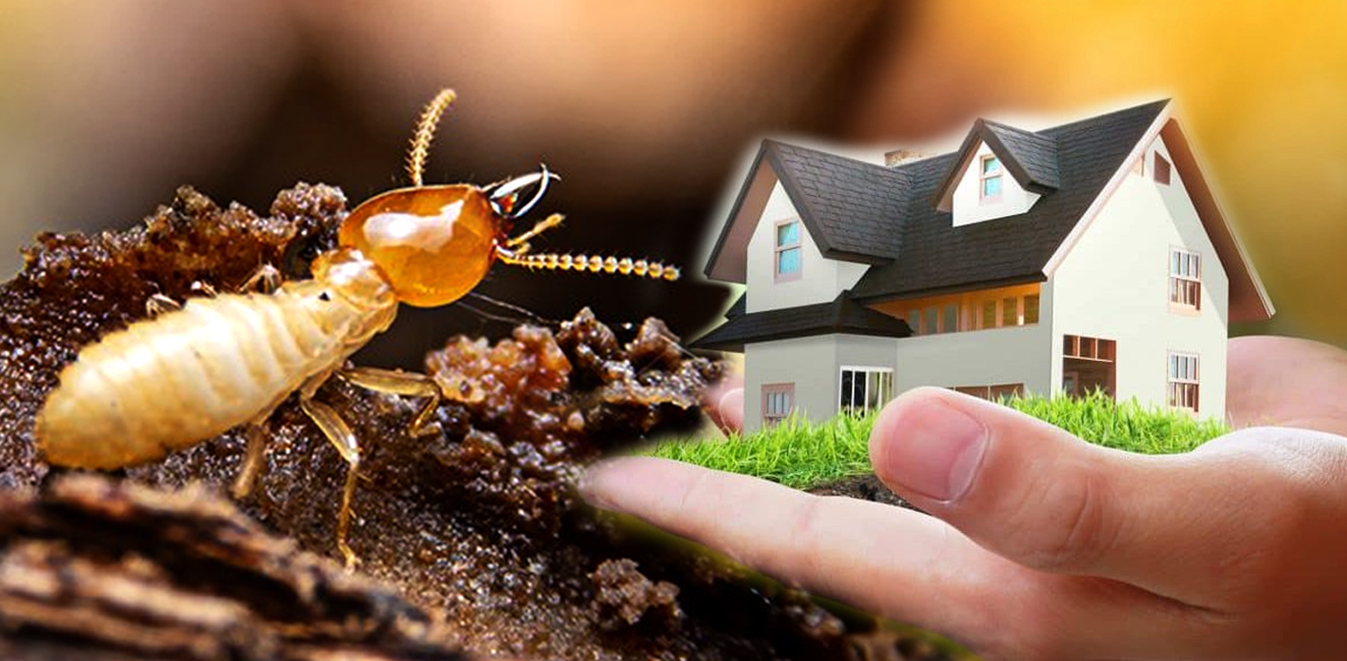
Termite trouble usually begins in soil just outside the foundation, not with a dramatic living‑room swarm. Worker insects roam underground searching for moisture and anything fibrous: buried scraps of lumber, cardboard, roots, old stumps, landscape timbers. When they find damp wood near a structure, they start building pencil‑thin mud tubes that connect soil to the building.
These tubes act like covered highways, protecting soft‑bodied workers from dry air and predators. For months or years, they shuttle quietly between nest and framing, hollowing subfloors, joists and sill plates from the inside out. The painted outer shell often stays intact, so floors feel solid and trim looks fine while the interior turns to paper. Leaky hose bibs, clogged gutters, soggy soil against siding and mulch piled high all speed up this early phase.
Concrete foundations look solid, but termites only need a hairline flaw. They slide through tiny slab cracks, cold joints between pours, and gaps around plumbing or cable penetrations. From there, they smear mud along rough surfaces until they reach wood. Brick or block veneers add more hiding spots: weep holes near the bottom course can become invisible doorways into wall cavities.
Anything that touches both soil and structure acts as a bridge. Porch posts, deck stairs, attached sheds and buried form boards can all bypass visible areas. Once inside the wall system, termites travel behind insulation and along studs, slowly radiating out from one unnoticed entry point. By the time indoor tubes or piles of discarded wings appear, the network behind the scenes is usually widespread.
Soil‑nesting species depend on high humidity and ground contact. They almost always invade from below, using mud tubes on piers, crawlspace walls and slab edges. Drywood species bypass soil entirely. Winged swarmers fly to eaves, vents, fascia gaps and window trim, then tunnel directly into dry, sound wood—roof sheathing, rafters, door frames, even furniture.
Dampwood species hunt out chronically wet material: rotting porch supports, framing near failed showers, or boards under long‑term leaks. Their presence is as much a building‑health warning as a pest issue. Some aggressive kinds start in soil but build “satellite” nests in wet upper walls or roofs, making them harder to reach with soil‑only treatments and pushing professionals toward combined strategies.
Choosing between a quick localized fix and a whole‑structure plan comes down to scale and location. Droppings under one window, a single frass pile in a cabinet, or one hollow‑sounding door frame may signal an early, contained issue—especially for drywood types. In these cases, targeted injections or foams can work without major disruption.
But termites are masters of staying hidden. Visible damage in one area can mask galleries running through multiple walls, ceilings or subfloors. Subterranean species may have long tube networks outside your line of sight. That’s why professional inspections matter: they combine moisture readings, attic and crawlspace checks, exterior grading review and past treatment history to estimate how many spots are active and whether they’re likely connected.
A trained inspector is looking for patterns, not just bugs. They probe suspect baseboards, tap trim, lift insulation in key areas and study landscape grades. Moisture meters flag persistently damp drywall or sill plates; infrared cameras highlight cold, wet sections that line up with potential feeding zones. In crawlspaces, they trace tubes along piers and beams to see how far activity extends.
That evidence drives treatment choices. A single accessible hot spot may justify localized work. Multiple rooms with soft trim, sagging floors, or tubes on several foundation faces usually call for a perimeter barrier, bait systems or even whole‑structure methods. In some markets, a detailed inspection report is also required before a home can be sold, giving both current owners and buyers clearer risk information.
| Home situation | Likely inspection focus | Typical next‑step direction* |
|---|---|---|
| One small frass pile under a window | Confirm drywood vs soil‑nesting species | Localized wood treatment, close monitoring |
| Tubes on several crawlspace piers | Scope of soil activity, moisture and grading | Perimeter soil work, repair drainage issues |
| Sagging floor or spongy subfloor near bathroom | Hidden framing damage, leaks, damp substructure | Structural repair plus stronger protection plan |
| Prior treatment, new small signs in one corner | Breaks in old barrier, new entry routes | Targeted retreatment, add monitoring stations |
*Not a guarantee; actual plans depend on local conditions and regulations.
Liquid treatments turn soil itself into a treated zone around and under the structure. Technicians trench or drill along foundations, porches and interior slabs, then inject product so termites passing through contact it. Modern formulas are often non‑repellent, meaning termites don’t sense danger. They walk through, pick up small doses, and share it with nest mates during grooming and feeding, extending impact beyond the treated strip.
When done continuously around the footprint, barriers can block most new underground entry routes and suppress nearby colonies for years. That reliability makes them a staple for houses with crawlspaces, slab‑on‑grade construction and obvious soil contact risks. The downside: barriers must be truly continuous. Disrupted sections from later plumbing work, patio additions or shifting fill can create “gaps” that determined insects will eventually find. Hardscape and beloved landscaping can also complicate drilling and trenching.
Where termites are known to be inside specific boards—window frames, stair stringers, beams, trim—direct treatment targets the problem area instead of the whole yard. Technicians drill small holes into suspect wood, then inject liquid or foam formulations that spread through existing tunnels and cavities. This puts active ingredient exactly where insects are feeding and sheltering, without saturating surrounding surfaces.
Direct wood work shines for confined drywood colonies and localized structural pockets. Cosmetic impact is usually manageable; holes can be plugged, sanded and painted. However, it’s “surgery,” not full‑body medicine. It doesn’t protect untouched framing elsewhere, and if hidden galleries extend beyond the treated section, some insects may survive. For homes in high‑pressure areas or with soil‑nesting species, wood injections are usually paired with broader protection instead of used alone.
Bait stations are buried around the structure in shallow holes, each holding a cellulose block laced with a slow‑acting ingredient. Foraging workers naturally encounter them while searching soil for new food. Once they start feeding, they bring the bait back to the colony and share it with nestmates, gradually disrupting growth and replacement of workers.
This method excels where heavy trenching is undesirable, where access is limited, or where owners want continuous monitoring. Stations provide early warning when fresh activity appears and can gradually collapse colonies that never physically enter the building. The trade‑off is patience: baits often take months to fully impact a mature colony, and require routine inspections and refills. As a long‑term strategy combined with targeted spot work, though, they can reduce pressure around an entire block or neighborhood corner over time.
| Tool or approach | Best fit scenarios | Main strengths | Key trade‑offs |
|---|---|---|---|
| Liquid soil treatments | High soil pressure, crawlspaces, obvious tubes | Fast perimeter protection, long‑lasting zones | Drilling, trenching, potential landscape impact |
| Direct wood treatment | Isolated drywood pockets, visible structural damage | Very targeted, minimal disruption elsewhere | Little preventive effect beyond treated pieces |
| Bait systems | Limited access, eco‑sensitive yards, ongoing risk | Colony‑level impact, strong monitoring value | Slow result, needs consistent servicing |
Greener options in this space usually rely on lower‑toxicity actives, targeted application, reduced overall volume, or ingredients that break down faster in soil and air. Some products use naturally derived compounds or microbials; others are conventional ingredients applied in tightly controlled zones or inside closed stations rather than sprayed broadly. The aim is to hit termites hard while reducing exposure for people, pets, soil life and pollinators.
These approaches tend to shine in outdoor living spaces, play areas, gardens and around wells or sensitive plantings. They pair especially well with bait systems and strong building maintenance: fixing leaks, improving drainage, lowering soil against siding and separating wood from ground contact. Where regulations or personal preferences discourage heavier chemistries, a layered “less and smarter” plan can still deliver strong control.
Severe structural infestations, high‑risk framing like main beams or load‑bearing walls, and situations where damage is already advanced sometimes demand more aggressive tools. Fast‑acting products in soil or wood may be the only realistic way to stop ongoing structural loss before repairs are made. In those cases, safety comes from precision and temporary avoidance: protecting wells, removing kids and pets from treatment zones, ventilating well and following re‑entry intervals carefully.
A practical middle road in many U.S. homes is mixed intensity: stronger materials in hard‑to‑replace structural zones or concealed soil, gentler or enclosed options in play areas and gardens, and strong emphasis on moisture control. Asking providers to explain exactly what goes where—and why—helps align treatment with your comfort level while still protecting the building.
How do I choose the Best Termite Treatment 2026 for my home?
Compare soil treatments, baiting systems, and fumigation based on infestation level, foundation type, warranty length, chemical safety, and whether the company offers ongoing monitoring and transferable guarantees.
What happens during a Professional Termite Inspection and how long does it take?
A licensed inspector checks interior, exterior, attic, crawlspaces, and foundation for mud tubes, damage, and moisture issues, then issues a written report; most inspections take 45–90 minutes.
Why should I get multiple Local Pest Control Quotes before starting termite work?
Multiple quotes reveal typical pricing, treatment options, warranties, and exclusions, helping you avoid overpaying, under‑treating, or choosing a provider that lacks proper licensing or insurance.
When is Termite Baiting Systems better than Tent Fumigation Services?
Baiting is ideal for ongoing colony elimination with minimal disruption, especially in detached homes and townhouses; tent fumigation suits severe drywood infestations but has no residual protection.
What should a strong Annual Termite Protection plan include for Residential Termite Control?
It should include a baseline treatment, at least yearly inspections, retreatment if activity returns, clear coverage limits for Termite Damage Repair, and documentation for a future Termite Clearance Letter.