
x
Bright corridors, quiet wards, and bustling emergency bays all depend on people whose work is rarely noticed yet crucial to every recovery story. Behind every disinfected surface and safe waiting room is a role that protects patients, supports nurses, and keeps modern healthcare running smoothly.
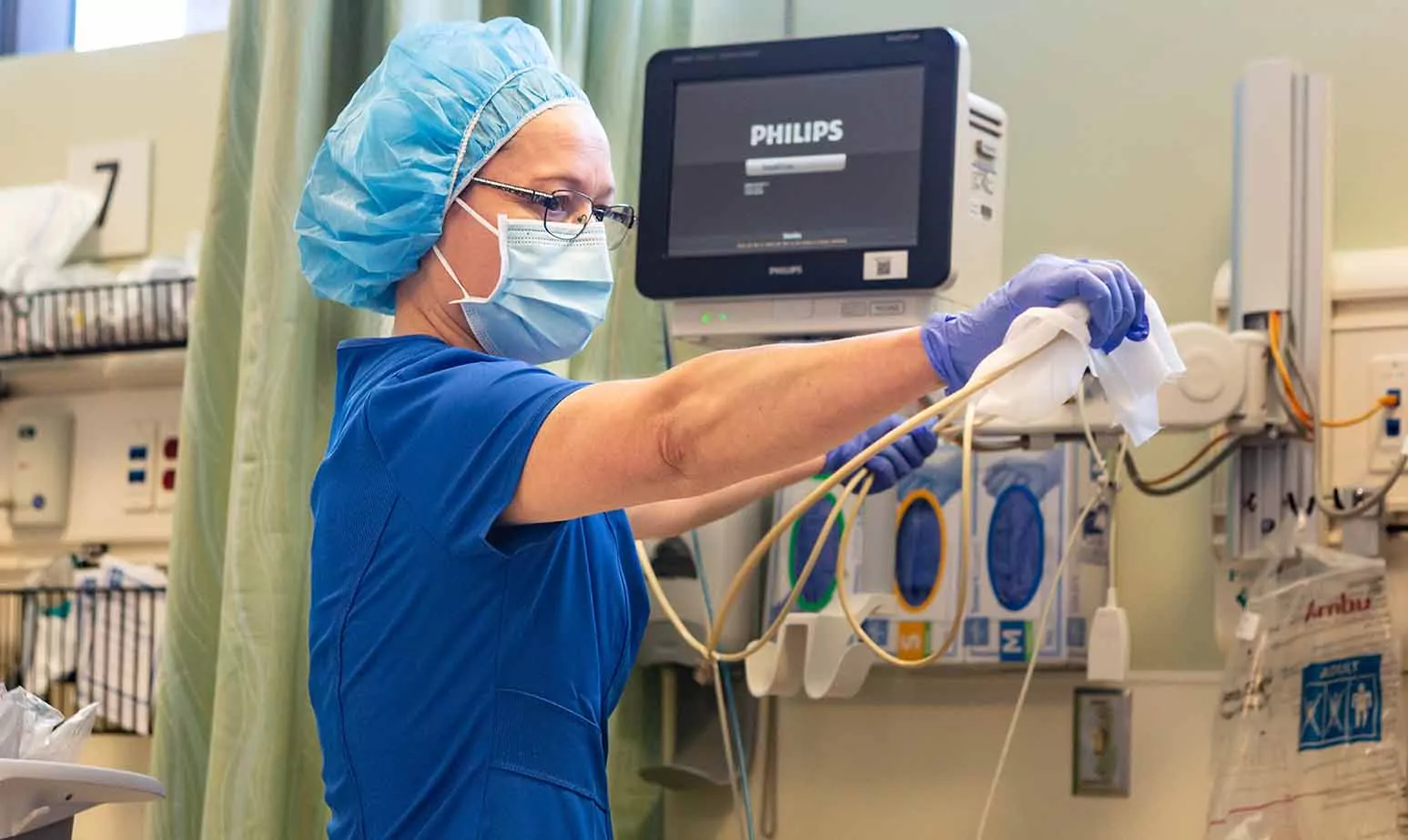
When people imagine cleaning work, they often picture mops, buckets, and general tidying. However, within a healthcare setting, the reality is far more complex and scientific. Environmental Services (EVS) technicians are not merely removing visible dirt; they are engaged in a constant battle against invisible threats. Unlike an office building or a retail store, a hospital houses individuals with compromised immune systems. This makes the stakes incredibly high. The core mission shifts from "making things look clean" to "eliminating pathogens" that could cause healthcare-associated infections.
In this role, professionals operate in a microscopic world. They focus intensely on "high-touch surfaces"—doorknobs, bed rails, light switches, and call buttons. These are the transit points for bacteria and viruses. Staff must utilize specific, EPA-approved disinfectants and adhere to strict dwell times (the time a chemical must sit on a surface to be effective). There is a rigorous protocol to prevent cross-contamination; for instance, changing microfiber cloths or mop heads between every single room is a non-negotiable standard. By maintaining this level of diligence, cleaning staff act as the first line of defense, ensuring that a room vacated by one patient is perfectly safe for the next.
The physical demands of maintaining a medical facility are significant. This is an active, mobile career that keeps you on your feet, far removed from the sedentary nature of desk work. Technicians are constantly moving, bending to clean under beds, reaching for high vents, and maneuvering heavy carts or floor-cleaning machinery. Because the work is physically taxing, modern departments place a heavy emphasis on ergonomics and proper body mechanics to prevent injury. It is a job for those who enjoy staying active and seeing the immediate physical results of their labor.
Beyond the physical exertion, there is a strong psychological component of being part of the clinical ecosystem. When a cleaner puts on their uniform or scrubs, they step into a role that supports doctors and nurses. A surgical suite cannot function until it has been sterilized by an EVS specialist. A patient cannot be admitted from the emergency room until a bed is prepared. While they may work quietly in the background, these professionals are the gears that keep the hospital engine turning. They provide the "clean slate" necessary for healing to occur, acting as silent guardians for vulnerable patients.
| Feature | Commercial Janitor | Hospital EVS Technician |
|---|---|---|
| Primary Goal | Aesthetics and general tidiness | Infection prevention and patient safety |
| Training Focus | Efficiency and surface cleaning | Chemical safety, pathogen control, and biohazard handling |
| Environment | Empty offices or retail spaces | Occupied patient rooms, ERs, and sterile surgical suites |
| Interaction | Low interaction with public | Frequent interaction with patients, families, and medical staff |
One of the most accessible aspects of this career path is that it rarely requires a specialized degree or prior medical background to begin. It is an industry known for hiring based on reliability and attitude rather than a resume full of technical credentials. Most healthcare systems in the United States have robust onboarding programs designed to take a complete novice and turn them into a certified expert in environmental hygiene.
New hires typically undergo a period of shadowing experienced mentors. During this time, they learn far more than how to polish a floor. Training covers the handling of biohazardous waste, the specific color-coding systems for cleaning tools to prevent cross-contamination, and compliance with federal privacy laws like HIPAA. Because you are working around patients, learning how to respect privacy and interact with compassion is just as important as learning which chemical kills which bacteria. This comprehensive training model makes it an excellent entry point for individuals looking to transition into the stable healthcare sector without the debt or time commitment of medical school.
Starting as a cleaner is often just the first step on a longer career ladder within the healthcare system. The skills acquired on the floor—attention to detail, knowledge of sanitation protocols, and familiarity with hospital operations—are highly transferable. Many departments prefer to promote from within, meaning a dedicated worker can rise to become a Team Lead, a Supervisor, or an Operations Manager.
Furthermore, there are opportunities to specialize. Technicians can train to handle the rigorous demands of Operating Room (OR) turnover, where the standards for sterility are absolute. Others might move into sterile processing, where surgical instruments are cleaned and prepared. The soft skills developed are equally valuable; learning to communicate with patients who are in pain or distress builds a level of empathy and professionalism that is respected across all industries. For many, this role offers a stable paycheck and benefits while they pursue further education in nursing or administration, making it a strategic launchpad for a broader medical career.
Hospitals never close. They operate 24 hours a day, 365 days a year, including holidays. While this requires a round-the-clock workforce, it also offers unparalleled flexibility for employees. Shifts are available to fit almost any lifestyle. Early risers can finish their work by mid-afternoon, while students or parents with daytime obligations can opt for evening or overnight shifts. This variety allows individuals to balance work with education or family care more easily than in a standard 9-to-5 corporate job.
Financially, these positions often offer more stability than contract cleaning or retail work. Because hospitals are major employers, full-time Environmental Services positions usually come with a comprehensive benefits package. This typically includes health, dental, and vision insurance, paid time off, and retirement plans like a 401(k) with employer matching. Additionally, shift differentials—extra pay per hour—are commonly applied to evening, night, and weekend shifts, allowing staff to boost their income simply by working "off-hours." The stability of healthcare means that even during economic downturns, the need for cleanliness and sanitation remains constant, providing job security that is rare in other sectors.
| Shift Type | Typical Hours | Best Suited For... | Key Advantage |
|---|---|---|---|
| Day Shift | 7:00 AM - 3:30 PM | People who enjoy social interaction and team environments. | Aligns with school hours; high engagement with patients and staff. |
| Evening Shift | 3:00 PM - 11:30 PM | Students or those who dislike early mornings. | Often quieter pace; usually qualifies for a pay differential. |
| Night Shift | 11:00 PM - 7:30 AM | Independent workers and "night owls." | Highest pay differential; less foot traffic and fewer interruptions. |
It is important to be realistic about the challenges of the job. It is labor-intensive work. Walking several miles a shift is standard, and the repetitive motions of scrubbing, lifting, and mopping can take a toll on the body, particularly the back and joints. The mental load can also be heavy; working in a hospital means being in proximity to illness, trauma, and loss. You may clean a room where a family has just received bad news, requiring a high degree of emotional resilience and professional detachment.
However, many in the field find a unique sense of peace in the clear boundaries of the job. Unlike corporate roles where work follows you home via email and smartphones, an EVS technician’s day ends the moment they clock out. You leave your work at the hospital. There is a tangible satisfaction in seeing a dirty room become pristine and knowing that your physical effort directly contributed to a safe environment. For those who prioritize a distinct separation between their professional and personal lives, this "leave it at the door" aspect helps maintain a healthy work-life balance despite the physical demands.
What skills do I need to get hospital cleaning jobs hiring near me if I’ve only done basic cleaning before?
Hospitals value reliability, attention to detail, ability to follow checklists, and comfort with PPE more than fancy experience. If you can follow instructions, work on your feet, and keep a consistent schedule, you’re already a strong candidate.
How are hospital janitorial positions different from regular office or hotel cleaning work?
Hospital janitorial roles follow strict infection-control procedures, use hospital-grade disinfectants, and focus on patient and staff safety. You’ll clean patient rooms, treatment areas, and sometimes isolation rooms under detailed protocols, unlike more general surface cleaning elsewhere.
What should I expect from full-time hospital sanitation jobs in terms of training and certification?
Most hospitals provide paid onboarding on infection control, bloodborne pathogen safety, and chemical handling. Some offer certification as an Environmental Services Technician after probation, which can boost pay, job security, and future promotion opportunities.
Are night shift housekeeping jobs in hospitals safe, and what does a typical night look like?
Night shifts are usually quieter, focused on terminal room cleaning, OR turnovers, and restocking. Security is typically present, and many areas are badge-access only. You’ll work in smaller teams, so independence and good time management matter more at night.
Can I get healthcare cleaning jobs with no experience, and how can I stand out as an applicant?
Yes, many entry-level Environmental Services roles require no experience. To stand out, highlight any customer-service or physical work, emphasize reliability and flexibility with shifts, and mention comfort with medical settings and learning strict cleaning protocols.