
x
Choosing where to live later in life means weighing comfort, safety, and social connection against monthly expenses. Between active adult complexes, apartment-style residences with amenities, and in‑home support, each option offers a different mix of freedom, help, and cost that can shape everyday happiness.
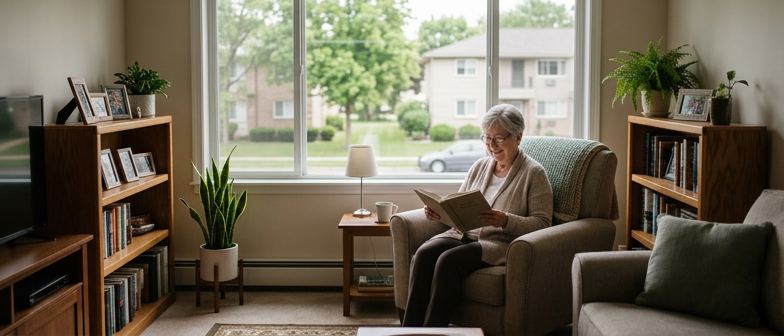
On brochures, independence sounds simple: your own place, no chores, maybe a few extras. In real life, it is much more personal. For some older adults, independence means never scrubbing a bathtub again. For others, it means driving, choosing sleep and meal times freely, and deciding when to join activities or simply close the door and rest. Before comparing communities or prices, it helps to picture an ordinary “good day” for you: what time you like to wake up, whether you prefer cooking or being served, how much noise you enjoy, and how often you want company. That picture becomes your measuring stick when you tour apartments, read amenity lists, or talk with leasing staff.
Common issues like high blood pressure, heart conditions, or stiffness when walking do not automatically mean you need hands‑on care. They do, however, change which buildings and layouts will actually feel safe. Hallways with grab bars, elevators that always work, well‑lit parking, secure entrances, and emergency call systems matter more once balance or stamina are not perfect. Living “independently” can still include push‑button help in case of a fall, wide doorways that fit a walker, or step‑free showers. Looking at floorplans and safety features with your future self in mind reduces the chance of moving again after a scare or hospitalization.
Typing a quick search into your phone often pulls up the closest few options, but “near” has layers. For some, it means staying in the same neighborhood, walking past the same coffee shop and pharmacy. For others, it means being within an easy drive for adult children, or close to a familiar clinic. Think about daily errands: grocery trips, worship, favorite parks, social clubs. A place ten minutes farther by car might actually feel closer to everything you use weekly, especially if there is a shuttle, good sidewalks, or public transit. Deciding what you actually need to be near prevents you from ruling out better‑fit communities just because they sit outside your current zip code.
Amenity lists can look like a resort brochure: fitness center, theater, game room, salon, gardens, maybe a pool. The trick is ignoring the sparkle and asking, “Will I truly use this?” A quiet reader might be happier with a well‑stocked library and peaceful lounge than with constant parties. Someone who loves crafts, walking groups, or card games might prefer a livelier schedule and plenty of shared spaces. During tours, look at how lived‑in areas feel: are people chatting, reading, or watching TV? Are staff interacting kindly, or just passing through? The best fit is rarely the fanciest; it is the one where an ordinary weekday feels natural, not forced.
Different community models bundle housing, services, and support in different ways. The table below can help frame what you are really comparing when you look at websites or brochures.
| Option type | Main focus | Best for residents who… |
|---|---|---|
| Age‑restricted apartments | Low‑maintenance housing, few services | Want privacy, can manage daily tasks alone |
| Service‑rich independent complexes | Meals, activities, light housekeeping | Value social life and convenience over extras |
| Mixed‑level campuses | Housing plus on‑site care options | Prefer to stay in one place as needs change |
| Smaller home‑style residences | Cozy feel, shared spaces | Enjoy close‑knit settings and informal support |
Using this kind of comparison keeps you from judging only by décor or lobby size. Two places at a similar monthly price might offer very different combinations of flexibility, privacy, and backup support.
Advertising often highlights an attractive “starting at” figure, which usually means the smallest floorplan with the leanest service package. That number might exclude meals, housekeeping, parking, or transportation. A slightly higher monthly rate at another community could include two daily meals, weekly cleaning, and rides to appointments, which might make it better value overall. Ask leasing staff to price a setup that truly matches how you live: your preferred apartment size, how many meals you expect to eat on‑site, whether you drive, and whether you need storage. Comparing those real‑life totals, not the lowest possible entry price, gives a clearer picture of affordability.
In a typical independent setup, staff handle building maintenance, yard work, and shared spaces. Residents control their daily rhythm: sleeping in, visiting friends, traveling, or joining activities as they choose. Meal options might range from full plans in a dining room to occasional communal lunches with in‑unit kitchens for most cooking. For someone who still manages bathing, dressing, medications, and finances comfortably, this balance feels liberating. There is backup if something goes wrong, but no one is knocking on the door unless invited. The main trade‑off is accepting some building rules around guests, smoking, pets, or noise in exchange for safety and community.
Over time, small tasks can turn into major sources of stress: stepping into the tub feels risky, sorting pills gets confusing, or carrying laundry up and down the hall leaves you exhausted. Some communities allow you to layer in extra help while staying in an independent unit, such as personal care visits or medication reminders. When help is needed many times a day, though, assisted‑style settings often become more practical. These offer private rooms or apartments plus on‑site staff to assist with bathing, dressing, toileting, mobility, and medications. The goal is not to take over your decisions; it is to remove the constant strain of tasks your body no longer handles well, freeing energy for conversation, hobbies, and rest.
Monthly costs rise as support increases, but the mix of services changes too. A basic independent apartment fee might cover housing, utilities, some activities, and maybe housekeeping. An assisted‑level fee typically bundles in personal care, more supervision, and higher staffing. When comparing, list what you currently pay at home: mortgage or rent, insurance, utilities, groceries, home repairs, yard work, transportation, paid help, and security systems. Set that list next to each community’s breakdown. Sometimes a setting that seems costly at first is only replacing a long list of separate bills and responsibilities. Also consider “emotional cost”: how much worry, coordination, and physical effort you and family members spend just to keep daily life going.
Remaining in a long‑time home offers powerful emotional comfort. You know every creak in the floor and where sunlight lands in the afternoon. With home‑based services, you can add just enough support: cleaning help, meal prep, rides, or short personal‑care visits. This path often suits people with strong nearby family or a trusted neighbor network. The challenge is that as needs grow, the number of caregiver hours and home modifications can climb quickly. Replacing a roof, widening a doorway, or updating a bathroom to reduce fall risk all add to the long‑term bill. Isolation can also creep in if driving becomes difficult and friends move away.
Community living trades some personal control over details for predictability and company. Mealtimes, activity schedules, and quiet hours are more structured. On the other hand, you are surrounded by people in a similar life stage, which often makes casual friendship easier. A walk down the hallway might lead to an impromptu card game or shared dessert. Building staff keep an eye on safety and respond to alarms, which can ease worry for you and your adult children. The key question is not “Is this perfect?” but “Does this arrangement give me more good days, with less effort, than my current setup?”
Before calling a single leasing office, jot down three things: what you receive each month, the smallest cushion you are comfortable keeping after paying housing and care costs, and a few “must haves.” Must haves might include step‑free access, permission for a small pet, or reliable transportation to appointments. Nice‑to‑haves might be a garden, a fitness room, or a reading group. Having this list ready keeps conversations grounded; instead of asking, “What do you offer?” you can ask, “How close can you come to this set of needs within a certain price range?”
Online searches that combine your town or zip code with phrases about senior living will surface many possibilities, but they are only a starting point. Local aging agencies, senior centers, and housing offices often maintain directories of apartments, communities, and in‑home services tailored for older adults. Their staff hear stories daily about what actually works for people on different budgets. They can often point out lesser‑known buildings, waiting lists, and programs that help reduce monthly housing costs. A few phone calls to these agencies can save many hours of scrolling through marketing sites.
In‑person visits matter. Try to tour during a meal and during an activity time. Notice whether residents seem relaxed, whether staff greet people by name, and whether the food looks and smells appetizing. Ask very specific questions: what is included in the base monthly fee, what costs extra, how often prices are reviewed, and what happens if health needs increase. Take notes after each visit while impressions are fresh. If possible, bring a trusted friend or adult child whose priorities differ from yours; they might catch safety details while you focus on atmosphere, or vice versa.
Finally, look at every option through a time lens. Would this place still work if you stopped driving? If you needed help with bathing or dressing? If a partner’s health declined faster than yours? Some communities allow you to add services without moving; others would require a full relocation. Choosing a setting that can flex with you reduces the chance of making a rushed decision after a fall or medical event. The ideal fit blends independence, support, and cost in a way that feels sustainable, so that each morning you can wake up thinking not about logistics, but about what you want to do with the day.
How do I choose the best senior independent living community near me?
Start by listing your priorities—location, budget, amenities, healthcare access—then tour multiple communities, talk to residents, review contracts carefully, and compare services, transportation, safety features, and social programs before deciding.
What is the typical cost of independent living for seniors in the United States?
Costs vary widely by state and amenities, but often range from a few thousand dollars per month, usually covering rent, utilities, some meals, housekeeping, and activities, while healthcare and personal care are typically extra.
What’s the main difference between assisted living vs independent living?
Independent living focuses on lifestyle, convenience, and social engagement for seniors who are largely self-sufficient, while assisted living adds on-site personal care support, such as help with bathing, dressing, and medication management.
How can I find affordable senior independent living communities near me?
Search local senior resource centers, Area Agencies on Aging, nonprofit housing providers, and low-income senior housing programs, and ask communities about income-based rates, move‑in specials, and financial assistance options.
Are independent living communities for seniors suitable for couples with different care needs?
Yes, many senior living communities near you offer independent living alongside assisted living, allowing one partner to receive more support while the other remains in independent living, often on the same campus for convenience.