
x
Electrolysis hair removal offers a route to permanent reduction for facial and even gray hair, but it can be slow, sensation‑intense, and costly over multiple sessions. Learn how the process works, typical side effects, aftercare basics, and how to weigh electrolysis against laser options and local pricing.
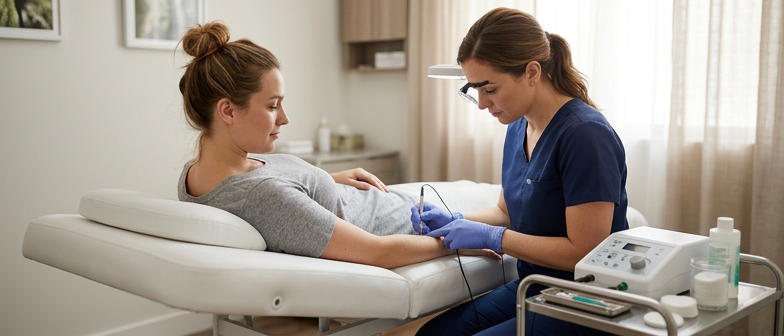
Electrolysis is a method of permanent hair removal that targets individual hair follicles with a very fine probe. A trained electrologist inserts this probe into the natural opening of the follicle and applies a controlled electrical current to damage the growth cells so the hair is less likely to regrow. Depending on the technique, the current produces heat, a chemical reaction, or both to break down the follicle from the inside. Because the follicle itself is treated, the method does not depend on hair or skin color, so it can be used on a wide range of hair types, including very light or gray hairs that are difficult to address with light based devices.
During a typical treatment session, the electrologist cleans the skin, inserts the probe into one follicle at a time, briefly applies the current, and then removes the treated hair with tweezers. This process is repeated across small areas over a series of visits, because only visible hairs can be treated at each appointment. Electrolysis is often chosen for facial hair on the upper lip, chin, and jawline, and it can be used on other body sites where long term reduction is desired. Since it targets each follicle individually and does not rely on pigment, it is one option for people who want to manage persistent gray or white hairs, with the understanding that multiple sessions are usually required.
A typical electrolysis hair removal plan starts with a consultation. The electrologist reviews your medical history, skin and hair type, and the specific area you want treated, such as the upper lip, chin, or jawline. They assess current hair growth patterns and explain how the hair growth cycle affects results, especially for facial hair. This visit is also when they describe the device, the fine probe used to reach the follicle, expected sensations, and precautions related to health conditions or medications so you can consider whether treatment is suitable.
During each session you lie or sit comfortably while the electrologist works on small sections. For every visible hair, a thin probe is inserted into the natural opening of the follicle and a brief electrical current is delivered to disrupt the growth cells. The hair is then lifted out with forceps, ideally without pulling. Sessions for facial areas are usually shorter and scheduled more often, while larger body zones tend to require longer appointments spaced further apart. Comfort measures can include topical numbing creams, cooling products, or adjustments to the machine settings to balance effectiveness with tolerability.
Because electrolysis targets hairs that are in an active growth stage, permanent reduction typically requires repeated visits over many months. Facial areas often need frequent sessions at first because of dense growth and hormonal influences, then fewer as active follicles decline. The total number of sessions varies with genetics, hormone levels, previous methods such as waxing or tweezing, and how consistently you attend appointments. Avoiding plucking between visits helps the electrologist see and treat hairs in the right phase, which can make the overall process more efficient.
| Treatment Stage | Typical Session Pattern | Facial Hair Considerations | Key Factors Influencing Plan |
|---|---|---|---|
| Initial consultation | Single longer visit | Focus on upper lip, chin, jawline mapping | Skin type, hair density, medical history |
| Early treatment phase | Short, frequent sessions | High density, hormonally influenced growth | Tolerance to discomfort, schedule flexibility |
| Mid course refinement | Moderate frequency sessions | Target remaining active follicles | Consistency of attendance, avoidance of plucking |
| Late maintenance phase | Less frequent touch‑ups | Sparse, slower‑growing facial hair | Previous hair removal methods, treatment response |
At your first visit, the electrologist reviews medical history, medications, and the areas you want treated, then examines your skin and hair. They discuss how many sessions people with similar hair patterns may need, possible outcomes, pricing, and how factors like hair density and hormones affect progress. If you chose a clinic after searching for providers nearby, this consultation is also a chance to assess their hygiene practices and whether you feel comfortable continuing care there.
Electrolysis is generally considered a safe option for long-term hair removal when it is performed by a trained, licensed provider, but it still creates controlled injury in each follicle, so some reactions are expected. Right after a session, many people notice redness, mild swelling, and warmth or tingling in the treated area, especially on the face. Tiny scabs or temporary darkening or lightening of the skin can appear as the area heals. These effects are usually short term and often fade within days to a couple of weeks, depending on how your skin responds and how intensive the treatment is.
Less common problems include more visible pigment changes, subtle surface texture changes, or, in rare cases, scarring or infection. These are more likely if the skin is picked, scratched, or not cared for as directed, or if the treatment settings do not suit the person’s skin type. Facial areas such as the upper lip and chin can be especially sensitive, so practitioners may adjust timing and energy levels to reduce irritation. Before starting, it is useful to mention any history of keloids, frequent cold sores, inflammatory skin conditions, or medicines that affect healing so the plan can be adapted.
Good aftercare supports recovery and lowers the chance of complications. For the first day or two, many providers suggest keeping the area clean, avoiding makeup, heavy products, and direct sun, and using a gentle cleanser. Cool compresses or a simple, non-irritating moisturizer can help with short-term redness if your practitioner agrees. It is important not to scratch, squeeze, or remove tiny scabs, because this can increase the risk of infection and marks. In the following days, using broad-spectrum sunscreen, limiting friction from masks or clothing, and allowing time between facial hair sessions can help the skin heal between visits.
After electrolysis on sensitive areas such as the face, neck, or bikini line, keep the skin clean and undisturbed. For the first day or two, avoid touching or picking treated spots, and wash gently with a mild, fragrance‑free cleanser and cool or lukewarm water. Skip makeup, shaving, waxing, and exfoliating until redness or swelling settles, and use only simple moisturizers your electrologist has said are appropriate.
To reduce irritation and possible side effects, protect treated facial and other delicate areas from excess sun, sweat, and bacteria while they heal. Avoid tanning beds, delay intense workouts, saunas, and swimming in pools or hot tubs for a short time, and use sunscreen once the skin is no longer tender. Contact a licensed electrologist or healthcare professional if you notice increasing pain, pus, spreading redness, or unusually thick scabs.
Electrolysis hair removal costs vary because electrologists use different pricing models, such as charging by the minute, by session, or by treatment area. Total expense depends on how many sessions you need, hair density and growth rate, and whether you treat a small area like the upper lip or a larger region such as the bikini line. Prices are often higher in large cities or clinics with advanced equipment or very experienced practitioners. When comparing fees, consider both the price per visit and the estimated number of visits so you can understand the overall financial commitment.
To find an electrolysis provider near you, people often start with professional association directories, local health or beauty clinics, and state licensing or regulatory boards to confirm that a practitioner is authorized to perform electrolysis. Online reviews can offer personal experiences but should be weighed against objective details such as credentials, years in practice, and office hygiene and safety standards. If your area has limited options, you may need to weigh travel time against appointment availability, since most people require multiple electrolysis sessions over an extended period.
Selecting an electrologist involves looking beyond cost and location. During a consultation, you can ask about formal training, state licensure, professional certifications, and experience treating hair similar to yours. It is useful to discuss how they plan and schedule sessions, what level of discomfort is typical, and how they sterilize probes and follow safety protocols. Sharing information about your medical history, medications, and skin sensitivity allows the practitioner to adapt the treatment plan and explain realistic expectations about timelines and outcomes.
How does electrolysis remove hair from a single follicle?
A thin sterile probe is guided into the follicle opening and an electric current creates heat or a chemical reaction that injures the cells responsible for hair growth.
How does electrolysis compare with laser hair removal?
Electrolysis treats each follicle and does not depend on pigment, so it can be used on varied skin tones and hair colors. Laser targets pigment, so very light or gray hairs and some skin types may respond less consistently.
Is electrolysis appropriate for facial and gray hair?
Yes. Since the effect occurs inside the follicle rather than on hair color, it is often chosen for facial areas and can include gray, blond, and mixed‑color hairs that light‑based devices may not remove effectively.
What happens during a typical electrolysis session?
The skin is cleansed, you are positioned comfortably, then the electrologist performs repeated probe insertions with brief pulses. You may feel quick stinging or warmth. Session length and number depend on area and hair density.
What side effects and aftercare are common after electrolysis?
Short‑term redness, mild swelling, or tiny scabs can appear. Keep the area clean, avoid picking, friction, strong sun, and irritating products for several days, and follow the electrologist’s aftercare guidance.