
x
A vague fever, a strange rash, swollen glands, crushing fatigue that feels “off” from a regular cold — moments like these can spark quiet worry, yet often get brushed aside.
When people first hear “HIV,” they often think of AIDS right away, but they’re not the same thing. Understanding how HIV starts, how it spreads, and what early signs look like can really help you protect yourself and get care in time.
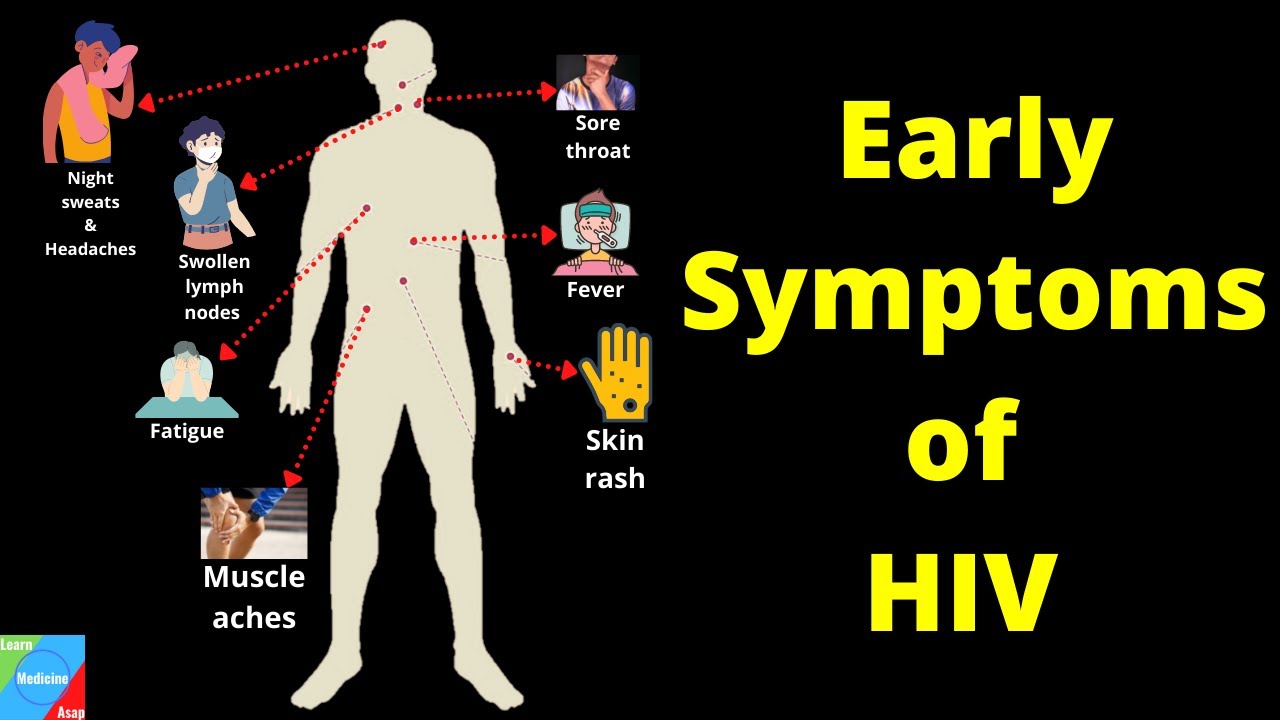
HIV is a virus that attacks the immune system, and the first stage after infection is called the acute phase. About 2–4 weeks after exposure, many people feel a flu‑like illness: fever, sore throat, tiredness, muscle aches, rash, and swollen lymph nodes. It can feel like a bad cold or regular flu. But some people don’t notice anything at all, which is why you can’t use symptoms to “guess” your status. During this early phase, the virus level in the body is very high, making a person highly infectious even if they feel mostly fine.
Typical real‑life situations where people first worry about HIV often look like this:
| Everyday situation where concern starts | What people often notice or feel | Why HIV testing is useful here |
|---|---|---|
| Had condomless sex with a new or casual partner | Starts to feel “flu‑ish” a couple of weeks later and wonders if it’s just a cold | A test can sort out common flu from a new HIV infection and reduce anxiety |
| Learned that a recent partner has another STI | No obvious symptoms, but keeps thinking about possible HIV risk | Testing gives a clear answer instead of guessing based on how the body feels |
| Shared injection equipment with someone whose status is unclear | May notice fever or night sweats and feels scared to tell anyone | Testing opens the door to medical help, emotional support, and PEP/PrEP advice |
| Is pregnant or planning pregnancy and unsure about past risks | May feel completely fine with no symptoms at all | Testing protects both the parent’s health and helps reduce risk to the baby |
HIV spreads mainly through unprotected sex, sharing needles, or from pregnant parent to baby during birth or breastfeeding. After the early illness fades, the virus usually goes quiet in a long “silent” period that can last many years without obvious problems. Without treatment, HIV slowly wears down the immune system until it reaches AIDS, which is the advanced stage with serious infections and some cancers. AIDS is not a separate virus; it’s what untreated HIV can turn into over time. Testing after any possible exposure and starting treatment early can keep HIV from ever progressing to AIDS and greatly improve long‑term health.
When HIV first enters the body, it usually does not feel like a “special” infection at all. It can look just like a bad cold or seasonal flu, then go quiet for a long time, which is why it’s so easy to miss without testing.
In the first few weeks after exposure, many people develop an acute illness that feels like the flu. Fever, deep fatigue, sore throat, swollen lymph nodes, headache, rash, muscle aches, chills, and night sweats are all common. These signs usually show up somewhere in the first month, while the virus is multiplying very fast and the viral load is extremely high, so a person is highly infectious. For some, the symptoms are strong and worrying; for others, they are so mild they barely notice, or they have no symptoms at all. The illness often fades on its own in a couple of weeks.
After that first wave, HIV often gets quiet. This clinical “silent” phase can last many years while the virus slowly damages the immune system. People may feel mostly fine, even as CD4 cells are being lost in the background. Antibodies to HIV usually appear within a few months, which is when common tests become reliable, while other tests can pick up the virus earlier. Without testing and treatment, HIV keeps weakening defenses, raising the risk of serious infections and, over time, progression to AIDS. Because there may be no clear symptoms, regular testing after possible exposure is the only way to know what is really going on.
When you wake up with a sore throat, it’s easy to blame allergies, a cold, or maybe strep. But after a sexual exposure, that same sore throat can raise very different questions. Knowing how early HIV shows up compared with common STDs helps you decide when it’s time to get tested.
Early HIV often shows up like a bad flu all over your body, usually a few weeks after exposure. People may notice a mix of sore throat, fever, swollen glands, rash, fatigue, muscle and joint aches, headaches, chills, and night sweats. Some feel really wiped out, while others barely notice anything at all. A sore throat tied to early HIV tends to linger longer than a typical cold and can be worse if oral thrush develops. After this short “flu‑like” phase, many people feel totally fine for a long time, even while the virus is quietly damaging the immune system.
Common bacterial STDs like gonorrhea or chlamydia usually focus on the genital area: burning with urination, unusual discharge, pelvic pain, maybe rectal discomfort. Early HIV, on the other hand, feels like a whole‑body viral illness rather than a local infection. That overlap with regular colds and flu is exactly why early HIV is so easy to miss. If you’ve had a possible exposure and then get a persistent sore throat plus flu‑like symptoms, don’t just wait it out. An HIV antigen/antibody test in the first few weeks, along with STD testing, is the clearest way to sort things out and get treatment early if needed.
Noticing Possible Symptoms? When to Get Tested, Eligibility, Safety, and Next Steps.
When your body suddenly feels off after a recent risk, it’s normal to wonder if it could be HIV or “just a bug.” You don’t need to have all the answers alone. Paying attention to early signs and knowing when to test can help you protect both your health and your peace of mind.
Early HIV often looks a lot like the flu. Within a few weeks of exposure, some people get fever, swollen glands, sore throat, night sweats, body and muscle aches, headache, a full‑body rash, and really heavy fatigue. These symptoms matter more if they show up after unprotected sex or sharing needles or other injection equipment. Even if you feel mostly okay, you can still have HIV, because not everyone gets strong symptoms. If you’ve had a recent risk, it’s reasonable to get tested even if things seem mild or confusing.
Anyone who has had possible exposure can get an HIV test; you don’t need specific symptoms or a referral. Tests are very safe, have no physical risk, and are more than 99% accurate once you’re past the window period. Some tests pick up infection about two weeks after exposure, while others need a month or more, so a provider might suggest repeat testing. Testing is usually confidential, fast, and often free or low‑cost at clinics, pharmacies, or with home kits. A positive result means starting HIV meds quickly, which keeps you healthy and greatly lowers the chance of passing HIV on. If you were exposed recently but test negative, a provider may talk with you about PEP right away, and later about PrEP to prevent future infections.
Q1: What is HIV, and how is it different from AIDS?
A1: HIV is a virus that slowly damages the immune system. AIDS is the advanced stage of long‑term, untreated HIV, when serious infections and some cancers start appearing.
Q2: What early HIV signs should I watch for after a possible exposure?
A2: Within 2–4 weeks, some people get flu‑like symptoms: fever, sore throat, rash, swollen glands, headaches, muscle aches, night sweats, and strong fatigue, though some people notice nothing.
Q3: How do early HIV symptoms compare with common STDs like gonorrhea or chlamydia?
A3: Early HIV usually feels like a whole‑body flu: fever, fatigue, sore throat, rash. Common STDs often cause genital‑area problems like burning urination, discharge, or pelvic or rectal pain.
Q4: When should I get tested for HIV, and who is eligible for testing?
A4: Anyone with possible exposure—unprotected sex or sharing needles—should test, with or without symptoms. Tests are very safe, over 99% accurate after the window period, and widely available.
Q5: What should I do next if I notice symptoms or had a recent risk?
A5: Don’t wait. Get an HIV test and STD tests, ideally within weeks. A provider may suggest PEP after recent exposure, HIV treatment if positive, or PrEP to prevent future infections.