
x
Late nights, genetics, and time can all etch heaviness and puffiness around the eyes, dimming expression and even narrowing what you see. Modern oculoplastic techniques now range from tiny crease-shaping stitches to laser-assisted refinements, offering tailored, natural-looking rejuvenation for a clearer gaze and fresher face.
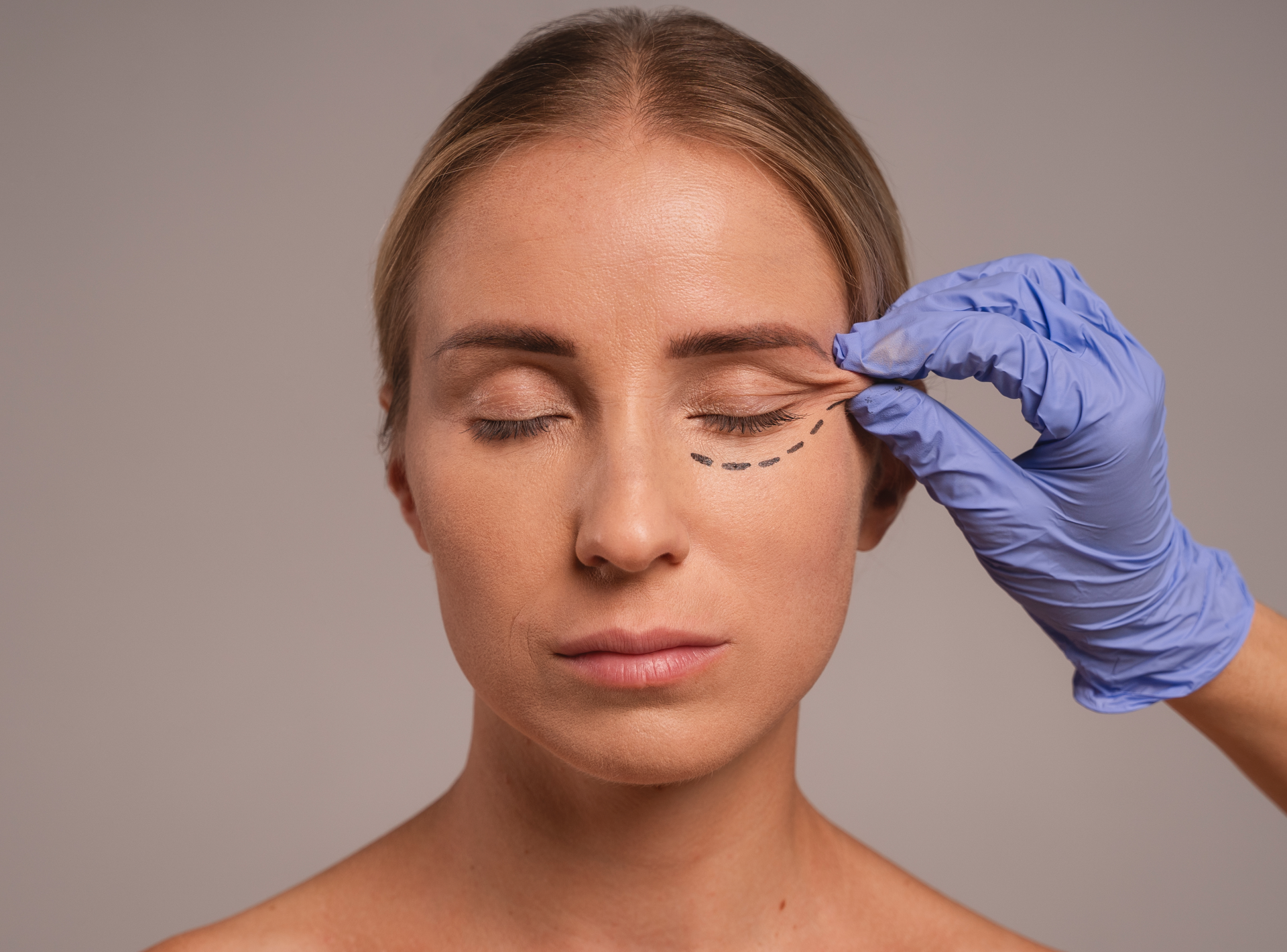
Skin around the eyes is thin, mobile, and constantly in motion, so even small structural changes get magnified into “you look exhausted.” With age, upper lid skin loosens and gravity tugs it down, blurring the fold and sometimes nudging the brow lower. A hint of extra fat on top of lax skin quickly reads as heavy and dull rather than bright and alert.
Underneath, fat that once quietly supported smooth under‑eye contours can start to push forward as its supporting membranes relax. Where mid‑cheek fullness has faded, a groove forms beneath the bulge, catching light and shadow in ways that mimic dark circles, even when pigment is fairly normal. People feel rested yet still hear, “Did you sleep at all?”
Some people are born with fuller lids and softer tissue, so their eyes seem puffy long before any real aging. The upper lid can look swollen, as if someone has just cried, and creases bunch when smiling, blurring the outline of the eye. Others have extra skin folds near the inner corner, making the eyes look farther apart and less focused in photos.
Skin care, massage, and eye creams can plump fine lines and improve dryness, but they rarely reverse true structural sagging or fat protrusion. That mismatch—rested body, tired‑looking eyes—is exactly where surgical and energy‑based options step in: not to plaster over the issue, but to adjust the underlying framework so the face finally matches how you actually feel.
Procedures on the upper lid can be thought of as decluttering. For someone whose fold is just barely buried under loose skin, a conservative approach trims only what is in the way, tightens a bit of muscle, and gently re‑shows the crease that always existed. The goal is not a brand‑new eye shape, but a cleaner version of the original: eyeliner finally visible, mascara no longer smudged into a hooded fold.
On the lower lid, a “light‑handed” approach means small incisions and careful fat reshaping rather than aggressive removal. A modest bulge can be softened so the transition from lash line to cheek is smoother, without hollowing that screams “overdone.” From the outside, people tend to comment on better rest, not on surgery.
When skin excess and bags are more dramatic, conservative tweaks may not be enough. Heavily draped upper lids, thick folds, and sinking brows can cut into the visual field and hide the full iris. Here, a broader plan might combine removing redundant skin, reshaping or reinforcing the lid crease, and, in some cases, subtly lifting the surrounding soft tissue.
On the lower lid, marked bags with deep grooves and lax, crepey skin often call for a combination: fat reduction or redistribution plus firmer skin redraping. Photos afterward usually show a sharper difference—less shadow, more visible eye surface—yet still recognizable features when design respects the person’s bone structure and overall facial balance.
Many fears about “fake‑looking eyes” come from a mismatch between how much change someone secretly wants and how much they say they want. If the true wish is “I just want people to stop asking if I’m exhausted,” a smaller lift and gentle under‑eye smoothing often feel right. If the goal is finally addressing decades of heavy lids and real visual crowding, bigger shifts may be worth it.
Putting that into ordinary language helps: “I want others to notice I look rested, not different,” versus “I’m okay if people clearly see a before‑and‑after.” Honest expectations guide the surgeon’s choices on incision design, how much tissue to remove or keep, and whether upper and lower work should be combined or staged.
Surgery focuses on structure—skin, muscle, fat. Once that structure is improved, old sun damage, fine lines, and speckled pigment that were previously hidden may suddenly become more visible simply because the canvas is flatter. That is where gentle energy‑based treatments can help.
Low‑intensity lasers, for example, can soften fine lines, small vessels, and mild pigment changes around the lids. They do not move fat or lift brows, but they refine texture and color so the surgical lift looks more seamless. Someone with residual under‑eye discoloration after bag reduction might use a series of light treatments to even tone without downtime that disrupts daily life too much.
For people with just a hint of upper lid laxity or a slightly crepey lower lid but no real bags yet, radiofrequency or similar tightening technologies can sometimes delay the need for surgery. By stimulating collagen, they encourage skin to hug the underlying framework more snugly.
Post‑procedure, some patients choose occasional maintenance sessions to help preserve that tightened look and slow the return of laxity. Around the eyes, safety margins are especially important: energy has to be dialed down, passes kept controlled, and sessions spaced out, because the skin is thin and the eyeball itself is close by. Under‑treating slightly is usually safer than chasing dramatic changes all at once.
| Goal around the eyes | Structure‑focused options | Skin‑focused options |
|---|---|---|
| Heavy fold covering upper lid | Tissue removal, crease reshaping | Mild tightening devices for early laxity |
| Bulging under‑eye bags | Fat reduction or repositioning, lower lid support | Occasional laser for texture after contouring |
| Fine lines and crepey surface | Sometimes combined with skin trimming | Fractional laser, microneedling‑type treatments |
| Persistent dark‑ish shadows | Groove filling via fat redistribution | Pigment‑targeted or vascular‑targeted lasers |
The most effective plans usually pair one structural step with one or two skin‑level refinements, rather than stacking many intense treatments in a short time.
Decision‑making feels less overwhelming when you translate your mirror thoughts into a few concrete questions:
If the fold is lost, eyeliner disappears, and one side’s crease looks completely different from the other, upper lid work and crease design often move to the front of the line. If your main frustration is that under‑eye concealer always creases over a groove or bulge, then under‑eye contour usually deserves priority.
Daily routine in the United States often includes commuting, screen time, and fairly packed schedules, so downtime matters. Upper lid procedures can be easier to camouflage early with glasses, bangs, or eye makeup once healing is under way. Lower lid work, on the other hand, may leave more visible swelling and color shifts that feel harder to hide, especially in close‑up video meetings.
Consider also how comfortable you are with comments from others. Upper lid and crease changes are more likely to draw a “You look different—did you do something?” Under‑eye smoothing usually draws softer responses like, “You look really rested.” Matching the plan to your job, social circle, and comfort with attention can be just as important as matching it to your anatomy.
| Main concern you notice first | Often‑helpful focus area | Typical social reaction to change |
|---|---|---|
| Makeup always lost in folds | Upper lid skin and crease design | “Your eyes look bigger / more defined.” |
| Constant eye‑bag shadows | Under‑eye fat contour and groove softening | “You look like you’ve been sleeping better.” |
| Uneven creases left vs right | Upper lid symmetry adjustments | “Your eyes seem more balanced.” |
| Fine lines, dull texture | Energy‑based skin refinement | “Your skin looks smoother around your eyes.” |
Seeing yourself in one or two of these descriptions can nudge you toward a more tailored, realistic plan.
How do I know if I’m a good candidate for upper eyelid blepharoplasty?
You’re usually a candidate if you have droopy upper lids affecting vision or appearance, are in good health, a non‑smoker, and have realistic expectations after discussing options with a board‑certified surgeon.
What should I look for when choosing “eyelid surgery near me”?
Focus on a board‑certified oculoplastic or plastic surgeon, high‑quality before‑and‑after photos, hospital or accredited surgery center privileges, clear pricing, and strong patient reviews specific to eyelid procedures.
Is double eyelid surgery near me different from standard blepharoplasty?
Yes, double eyelid surgery creates or enhances a lid crease, often for aesthetic or cultural preferences, while traditional blepharoplasty focuses on removing excess skin or fat; techniques and goals differ, so choose a surgeon skilled in both.
What are the benefits and limits of laser eyelid surgery near me?
Laser eyelid surgery may reduce bleeding, bruising, and recovery time, but not everyone is a candidate, and outcomes depend more on surgeon skill than device type; it doesn’t replace careful tissue shaping and proper aftercare.
How do under and lower eyelid surgeries near me address eye bags and dark circles?
Surgeons may remove or reposition fat, tighten skin, or combine surgery with laser resurfacing or fillers; surgery improves bags and laxity, but pigment‑based dark circles might need additional non‑surgical treatments.