
x
Hard-packed clay, scattered rocks, and a long row of posts can turn a simple weekend project into a punishing workout—or a genuine safety risk. Between spinning blades, roaring engines, and high‑output batteries, choosing the right digging tool now means balancing muscle, control, and peace of mind.
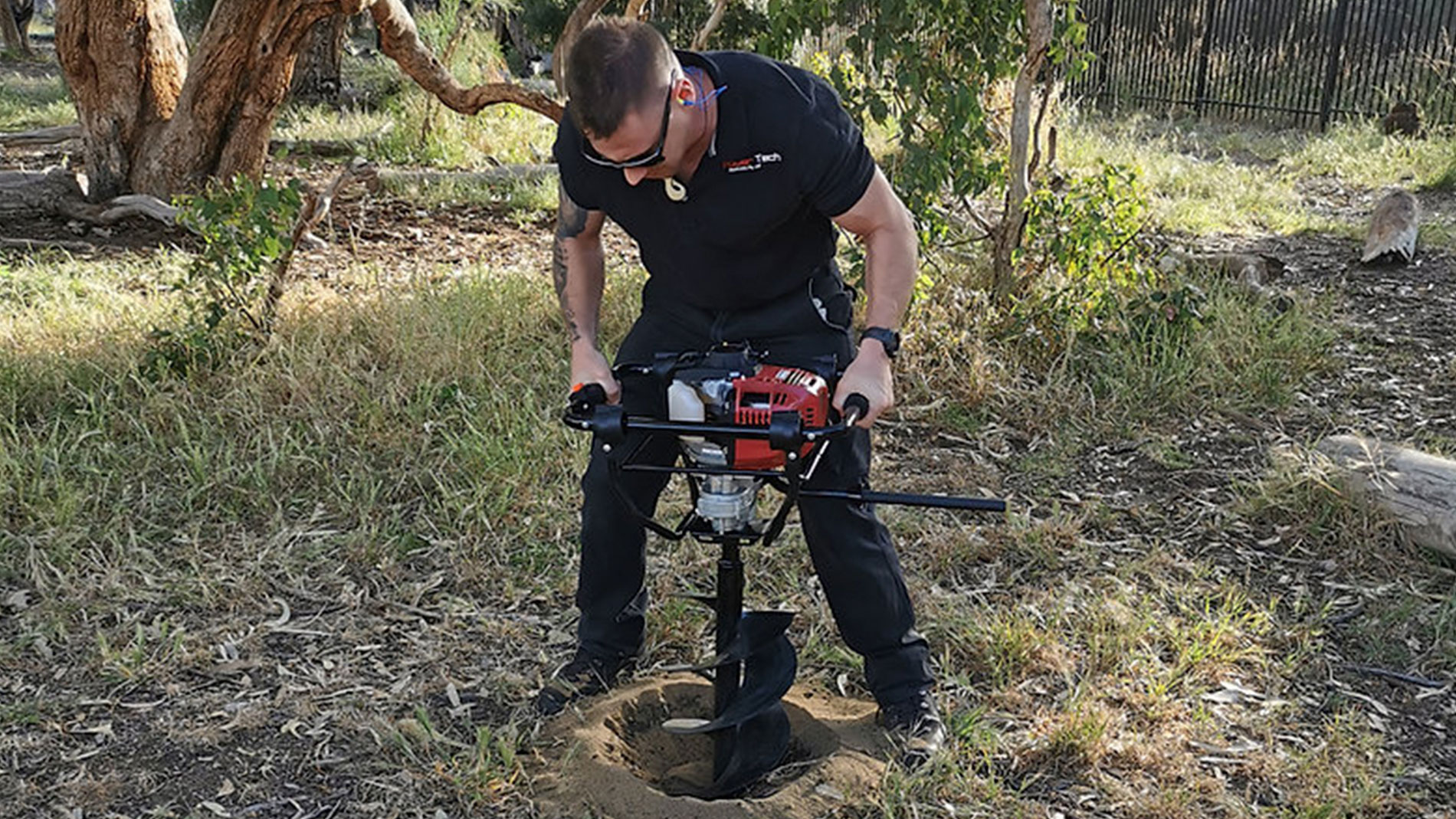
While the allure of high-torque power tools is undeniable, they aren't always the smartest solution for every job. If you are looking at a minor repair job, such as replacing a couple of rotting fence posts or installing a single new mailbox near the driveway, the traditional clamshell digger or a sturdy auger handle often wins out on pure efficiency. Consider the logistics involved with powered equipment: driving to a rental center, hauling a heavy machine into a truck, mixing fuel, or ensuring batteries are fully charged.
By the time you have prepped a gas engine, you could have likely finished the first hole with a manual tool. For homeowners who need to tackle a project immediately, manual diggers offer a "grab-and-go" capability that powered options cannot match. There is zero setup time, and cleanup involves nothing more than hosing off the blades. This lack of maintenance overhead makes manual tools surprisingly faster for projects requiring fewer than five holes. It eliminates the barrier to entry for quick weekend DIY tasks, allowing you to focus on the result rather than the equipment logistics.
Beyond simple efficiency, there are environments where brute force is a liability. Precision and silence are often undervalued commodities in landscaping. When working in established gardens, near delicate flower beds, or in areas where underground utility lines might be present (even after calling 811), the tactile feedback of a manual tool is a safety feature in itself. A gas or electric auger will tear through roots and potentially PVC pipes before you feel the resistance, whereas a manual digger allows you to feel the soil composition change, letting you stop before causing expensive damage.
Furthermore, the acoustic footprint of your tools matters. In dense suburban neighborhoods, firing up a two-stroke engine at 7:00 AM on a Saturday is a sure way to annoy the neighbors. Manual tools operate in near silence, allowing you to work early in the morning or late in the evening without disturbing the peace. This quiet, physical connection to the soil also provides a better workout and allows for a more meditative, controlled approach to landscaping, ensuring the surrounding turf remains undisturbed.
When the soil conditions turn hostile—think compacted clay hardpan or rocky terrain that hasn't been turned in decades—manual tools simply stop being viable options for most people. This is where gas-powered earth augers shine. The primary advantage of a gas engine is sustained, high-end torque. When you are facing a long fence line requiring twenty or thirty deep holes, or when you are setting heavy-duty deck footings, the sheer horsepower of a gas engine transforms a week-long ordeal into a one-day job.
However, purchasing or renting these machines requires a realistic assessment of your physical capabilities. Higher displacement engines (measured in cc) provide the torque needed to fracture hard earth, but they also come with significant weight and vibration. It is not just about the machine's ability to dig; it is about the operator's ability to control that machine over several hours. A 43cc or larger engine is a beast, and while it saves digging time, it demands upper body strength to stabilize. Choosing a unit that balances engine size with a manageable gross weight is critical. It is often better to take slightly longer to dig a hole with a manageable machine than to struggle with an overpowered unit that exhausts you after the third post.
The greatest risk associated with gas-powered augers is the phenomenon known as "kickback." This occurs when the auger bit hits an immovable object—like a thick tree root or a large subterranean rock—and the rotation of the bit stops instantly. Physics dictates that the energy must go somewhere; since the bit cannot spin, the engine and the handles violently rotate in the opposite direction. If the operator is not prepared, this can result in sprained wrists, bruised ribs, or being thrown off balance.
To mitigate this, modern equipment design and operator technique must work together. When selecting a unit, look for models with wide handlebars. This design increases your leverage, giving you a mechanical advantage over the engine's torque. Some newer models also feature clutch mechanisms or shock springs to dampen this impact. Operationally, your stance is your best defense. Never lock your knees; keep a wide, athletic stance with your center of gravity low. You shouldn't fight the machine with rigid arms; instead, maintain a firm but flexible grip that allows you to absorb sudden movements without losing your footing.
| Power Source | Best Application | Primary Advantage | Safety Consideration |
|---|---|---|---|
| Manual / Clamshell | 1-5 holes, loose soil, near utilities | Zero setup time, silent, precise | High physical exertion, slow in clay |
| Gas Engine (2-Stroke/4-Stroke) | Large fencing projects, remote areas, hardpan | Unmatched torque and run-time | Exhaust fumes, noise, heavy vibration |
| Electric / Battery | Residential fencing, suburbs, noise-sensitive areas | Push-button start, no fumes, reverse gear | Instant torque can surprise users |
The landscape of power tools has shifted dramatically with the advent of high-voltage lithium-ion technology. Cordless earth augers are rapidly becoming the preferred choice for residential users and even some professionals. The appeal is obvious: there is no fuel mixing, no carburetor maintenance, and no struggles with a recoil starter cord. You simply insert a battery, squeeze the trigger, and dig. For homeowners tired of the "small engine maintenance loop," this reliability is a major selling point. They also eliminate the exhaust fumes that can be stifling when working in low-wind areas or deep holes.
However, the quiet operation and lack of vibration can create a false sense of security. Because the machine doesn't "roar" like a gas engine, it is easy for operators to treat it casually. It is crucial to remember that a 40V or 60V electric motor generates tremendous torque. Unlike gas engines that ramp up power as RPMs increase, electric motors deliver maximum torque almost instantly. This means the machine is ready to work at full capacity the moment you engage the trigger, requiring the operator to be focused and ready from the very first second.
Regardless of the power source, the soil dictates the difficulty of the dig. Sticky, clay-heavy soil presents a unique challenge. When wet, clay acts like a thick paste that binds to the auger flighting. If you try to bore down too deep, too fast, the suction can trap the auger in the ground, or the friction can stall the engine. The technique here is patience: dig a few inches, lift the auger completely out to spin off the spoil, and repeat. "Pumping" the auger prevents it from becoming permanently stuck and reduces strain on the motor.
On the other end of the spectrum is loose, sandy soil. While easy to penetrate, the challenge here is extraction. Dry sand tends to flow back into the hole as soon as you lift the auger. In these cases, raw power doesn't help. Instead, you may need to moisten the soil slightly with a hose before digging to help it clump together. Conversely, hidden rocks and roots require a defensive approach. If you suspect rocky terrain, do not just dive in with the throttle wide open. Use a probing rod to check for obstructions. If you hit a root, turn the machine off and use a digging bar or reciprocating saw to clear it. Forcing a spinning blade against a rock is the quickest way to break a shear pin or injure yourself.
| Soil Condition | The Challenge | Recommended Technique |
|---|---|---|
| Heavy Clay | Suction traps the bit; mud clogs flights | "Pump" the auger frequently to clear debris; do not dive deep instantly. |
| Rocky Ground | Sudden stops (kickback); broken shear pins | Use a pilot hole; keep RPMs moderate; clear big rocks manually with a pry bar. |
| Dry Sand | Hole walls collapse; soil falls back in | Wet the ground slightly to add cohesion; lift the auger slowly to keep soil on the flights. |
| Tree Roots | Blade tangling; violent machine rotation | Stop immediately upon contact; use a root saw or axe to clear the obstruction. |
Safety starts before the auger bit ever touches the grass. The rotating nature of these tools makes them inherently dangerous if clothing gets snagged. Operators must wear close-fitting clothing—no loose shirttails, unbuttoned flannels, or dangling drawstrings that could wrap around the shaft. Sturdy, non-slip work boots are essential, not just for protection against the blade, but to provide the traction needed to counteract the machine's torque.
A pre-flight check of the equipment is also mandatory. Whether you bought a brand-new unit online or are pulling an old one from the shed, check the connection between the powerhead and the auger bit. Ensure the retention pin is secure and not bent. For gas models, check that the fuel cap is tight to prevent leaks during operation. For electric models, ensure the battery is locked in place. Inspecting the cutting blades for cracks or excessive dullness can also prevent accidents; a dull blade requires more force to dig, increasing the likelihood of the operator losing control.
When the digging begins, your body position is your primary stability system. Keep your legs shoulder-width apart or wider to create a solid tripod effect with the machine. Keep the machine close to your body to maximize leverage; holding it far away with extended arms puts you at a mechanical disadvantage if it kicks back. Always know where the emergency kill switch is. On most modern units, it is positioned for thumb activation—practice hitting it so that your muscle memory can take over in a panic situation.
Once the job is done, proper maintenance ensures the tool is safe for the next use. Augers, especially gas ones, get incredibly hot near the gear case and exhaust; allow them to cool completely before touching or storing them. Clean off all caked-on mud immediately. Wet soil left on metal blades promotes rust and can seize the connecting pins, making it impossible to swap bits later. If you are storing a gas auger for the winter, drain the fuel to prevent carburetor clogging. Treating your equipment with respect not only prolongs its life but ensures it won't fail catastrophically when you need it next.
Gas-Powered Post Hole Digger vs. Electric or Cordless: which is better for most U.S. homeowners?
Gas-powered diggers suit large, remote jobs and hard ground; electric and cordless models are cleaner, quieter, easier to start, and ideal for typical backyard fence or planting work near power sources.
Is a Heavy-Duty Post Hole Digger with Auger Bit worth it compared to a cheaper manual model on Amazon?
For more than a few holes or tougher soils, heavy-duty powered units save hours of labor, reduce fatigue, and give straighter, consistent holes, making their higher upfront cost worthwhile over time.
When should I consider a Tractor 3-Point Post Hole Digger instead of handheld options?
Choose a 3-point digger if you already own a tractor and need to drill many fence or farm posts, large-diameter holes, or work on acreage where handheld gas or electric units would be too slow.