
x
Facing Parkinson’s means weighing proven drugs like carbidopa/levodopa against newer therapies and lifestyle changes. This guide walks you through current best treatments, how higher carbidopa doses may reduce “off” time, and realistic ways to slow day‑to‑day progression.
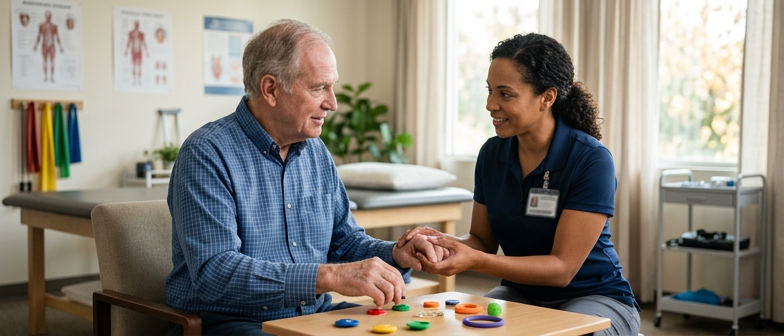
Parkinson’s disease is a progressive nervous system disorder that primarily affects movement. Diagnosis is based on medical history, a detailed neurological exam, and how symptoms such as tremor, slowness, stiffness, and balance problems change over time. There is no single blood test or brain scan that definitively confirms Parkinson’s, though imaging or lab tests may help rule out other conditions. When clinicians discuss Parkinson disease diagnosis and treatment, they focus on recognizing this symptom pattern and then creating a long‑term plan that fits a person’s daily life, other health issues, and goals.
After the diagnosis is confirmed, current treatments for Parkinson’s disease aim to relieve symptoms, preserve independence, and reduce complications rather than cure the disorder. Treatments that work include medications that boost or mimic dopamine to improve movement, along with physical, occupational, and speech therapy. Some people may also benefit from surgical options such as deep brain stimulation when symptoms are not well controlled with medicines alone. Education, regular exercise, mental health support, and routine visits with a movement‑disorder specialist are key parts of modern treatment strategies and provide a base for adding newer or more advanced therapies over time.
For most people, the foundation of current treatments for Parkinson’s disease is levodopa combined with carbidopa. This medicine replaces missing dopamine in the brain and is still viewed by many specialists as the best treatment for Parkinson’s disease motor symptoms such as slowness, stiffness, and tremor. Doctors adjust dose and timing over the day to balance movement control with side effects like nausea or involuntary movements, while also considering age, other medical conditions, and daily routine.
When levodopa alone is not enough, or when someone is younger at diagnosis, clinicians add other medications to build a personalized plan using treatments that work in different ways. Dopamine agonists stimulate dopamine receptors directly, MAO-B and COMT inhibitors help the brain use dopamine longer, and drugs like amantadine can reduce dyskinesia for some people. Rather than one universal best treatment for Parkinson, the aim is a tailored combination that maintains function, limits “off” periods, and fits how the person lives day to day.
Over time, many people need more complex strategies, such as taking smaller doses more often, using extended-release formulations, or adding non-dopamine medicines for specific symptoms. Movement disorder specialists regularly review what is working, then adjust drugs, schedules, and lifestyle measures to keep symptoms as controlled as possible. In practice, the best treatment for Parkinson’s disease is an evolving mix of established medications, close monitoring, and shared decision-making between the person living with Parkinson’s, their care partner, and the clinical team.
| Medication class | Main symptom focus | Typical role in treatment plan | Key advantages | Common cautions |
|---|---|---|---|---|
| Levodopa with carbidopa | Core motor symptoms | Foundational daily medication | Strong symptom relief | Dyskinesia and nausea risk |
| Dopamine agonists | Motor symptoms and “off” time | Add‑on or early option in younger adults | Longer dosing intervals | Impulse control and sleepiness concerns |
| MAO‑B inhibitors | Mild motor symptoms and wearing off | Add‑on to extend levodopa benefit | Once‑daily use for some people | Drug interaction and sleep issues |
| COMT inhibitors | End‑of‑dose “off” periods | Add‑on when levodopa effect is too short | Helps smooth motor fluctuations | Stomach and liver‑related monitoring |
| Amantadine and related drugs | Dyskinesia and some motor symptoms | Adjunct when movements become excessive | May reduce troublesome movements | Swelling, skin changes, thinking effects |
Carbidopa is combined with levodopa to help more levodopa reach the brain and to reduce nausea, and its dose also affects how smoothly symptoms are controlled. For some people, a higher carbidopa dosage can lessen off time, the periods when tremor, slowness, or stiffness return before the next dose. As part of current treatment strategies for Parkinson’s disease, specialists may fine‑tune the carbidopa component, adjust dose timing, or add on‑time–extending options such as COMT or MAO‑B inhibitors. Any change should be planned with your movement‑disorder neurologist, reviewing blood pressure, nausea, dyskinesia, sleep, and interactions with other medicines so that the possible benefit in reducing off time clearly outweighs the risks for you.
New treatment strategies for Parkinson’s disease focus on smoothing motor fluctuations, easing daily routines, and possibly slowing progression. Beyond standard levodopa tablets, researchers are testing continuous drug delivery systems, gene‑based approaches, and cell replacement therapies. These Parkinson’s disease new treatments aim to keep symptoms under steadier control, reduce “wearing off,” and may help protect brain cells, but most remain experimental and have not yet been proved to change the overall course of the illness.
Several recent options show how a new treatment for Parkinson’s disease can build on existing medications. Extended‑release and once‑daily formulations of levodopa or dopamine agonists seek more stable symptom relief with fewer doses. Intestinal gel and subcutaneous infusion pumps provide continuous levodopa for people with severe wearing off despite oral pills. Inhaled or under‑the‑tongue rescue medicines can quickly reverse sudden “off” episodes. These options do not replace standard care but expand the menu of treatment strategies for Parkinson’s disease that specialists can tailor to individual needs.
The latest medication for Parkinson’s disease often targets specific problems such as dyskinesia, troublesome off time, or sleep disruption rather than replacing core drugs. At the same time, non‑drug innovations like focused ultrasound and refinements in deep brain stimulation offer less invasive or more precise ways to improve movement in carefully selected patients. Many experimental therapies labeled as Parkinson’s disease new treatments, including disease‑modifying drugs, remain in clinical trials, so expectations should stay cautious and decisions made with a movement‑disorder specialist.
Clinical trials are where potential new treatments for Parkinson’s disease are tested to see if a drug, surgery, or device is safe, improves symptoms, and offers advantages over current options. Many Parkinson’s disease new treatments aim to smooth medication effects, reduce “off” time, or target specific issues like tremor and walking, while others look at protecting brain cells or using gene and cell-based therapies to change the course of the disease. Trials have strict rules, require repeated visits, and carry unknown risks, so discussing your goals and health with a movement disorder specialist can help you decide whether joining is right for you.
There is no cure for Parkinson’s disease, but daily habits are an important part of treatment strategies for Parkinson’s disease and can influence how symptoms change over time. Research suggests that regular, challenging exercise is one of the non‑drug treatments that work best for supporting movement and slowing functional decline. Brisk walking, cycling, boxing classes designed for Parkinson’s, or tai chi can improve balance, strength, and coordination, and may help the brain use dopamine more efficiently. Working with a physical therapist who understands Parkinson’s can help you build a safe routine, set realistic goals, and adjust activities as your condition or medications change.
Beyond exercise, everyday routines can target specific symptoms and support long‑term brain health, which many people see as part of overcoming Parkinson’s disease in daily life. Occupational therapy can teach easier ways to dress, cook, write, and use technology so you can stay independent longer. Speech and swallowing therapy can help maintain a strong voice, clearer speech, and safer eating. Prioritizing good sleep, staying mentally active, and connecting with others can protect thinking and mood, which are crucial to living well even if they do not stop the disease itself.
Effective self‑management means combining medical care with lifestyle choices into a personal plan for how to slow down Parkinson’s disease as much as possible. Take medications exactly as prescribed, track when symptoms are better or worse, and share that information with your care team so they can fine‑tune your regimen and add treatments that work for stiffness, anxiety, or fatigue. Learning about current treatment strategies for Parkinson’s disease from trusted sources, joining support groups, and involving family or care partners can help you sustain exercise, therapy, and healthy habits. These daily actions will not cure Parkinson’s, but they can slow loss of function and improve quality of life.
What is currently considered the best treatment for Parkinson’s motor symptoms?
For most people, levodopa combined with carbidopa is the mainstay. It replaces dopamine and is often the most effective option for slowness, stiffness, and tremor when doses and timing are carefully adjusted.
How is Parkinson’s disease usually diagnosed and when should I see a specialist?
Diagnosis relies on medical history and a detailed neurological exam, not a single blood test or scan. See a movement‑disorder neurologist if you have persistent tremor, slowness, stiffness, or balance changes.
Can a higher carbidopa dose really reduce off time?
In some patients, increasing carbidopa lets more levodopa reach the brain and smooths wearing‑off periods. It must be done cautiously, watching for nausea, blood‑pressure drops, or more dyskinesia.
What new treatments and latest medications are being studied for Parkinson’s?
Research includes continuous levodopa delivery (infusion pumps, intestinal gels), new MAO‑B and COMT inhibitors, gene‑based therapies, and cell replacement. Many remain in clinical trials and are not yet routine care.
How can I help slow down day‑to‑day progression and better manage Parkinson’s?
Regular vigorous exercise, tailored physical therapy, good sleep, and taking medications on schedule are key strategies. These habits won’t cure Parkinson’s but can preserve function and support overcoming daily challenges.