
x
If you’re weighing new injection molding machines or trying to push existing presses into more advanced plastic molding techniques, it’s hard to judge specs, training, and price in isolation. This guide connects machine capabilities, learning paths, and supplier choices so you can design a reliable, cost‑aware molding setup.
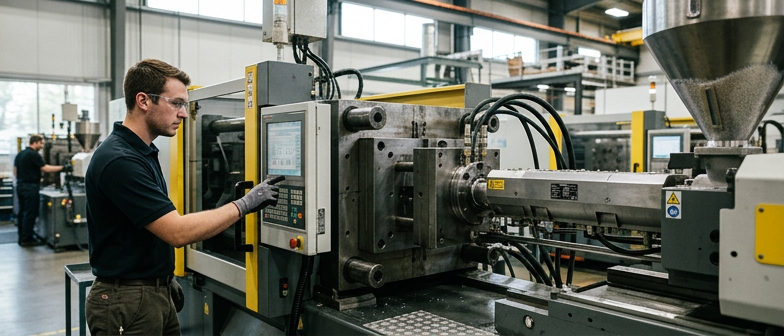
Modern Injection Molding Machines are engineered systems that turn plastic pellets into precisely shaped parts at high speed and volume. Core components include a hopper and heated barrel, a rotating screw that melts and meters the plastic, and an injection unit that forces the melt into a closed mold under high pressure. The clamping unit keeps the mold shut against this pressure, then opens so ejection mechanisms can remove cooled parts. Drives, sensors, and temperature controllers coordinate these steps so each cycle repeats with consistent timing and dimensions, supporting high‑volume production of small technical parts and large housings alike.
Most modern presses are hydraulic, all‑electric, or hybrid designs, each balancing speed, energy use, and investment cost. Hydraulic machines are valued for robustness and relatively low purchase price, all‑electric models offer clean operation and precise motion control with lower power consumption, and hybrid systems combine electric accuracy with hydraulic force where it is most needed. Because these machines are a major capital purchase, manufacturers usually rely on plastic manufacturing equipment suppliers to match clamp force, shot size, footprint, and automation options to the product design, chosen materials, and expected long‑term production volume.
Advanced plastic molding techniques push injection molding machines beyond basic mass production, enabling multi-material parts, extreme precision, and intricate geometries. Co-injection and overmolding let engineers combine rigid and soft plastics, integrate seals or grips directly into housings, and create parts with color contrasts or functional layers in a single cycle. Gas-assisted and foam-assisted molding reduce weight and sink marks in thick sections while preserving surface quality, which is critical for large panels and structural components. High-precision molding applies tight process control, advanced tooling, and scientific molding principles to achieve micron-level tolerances for medical, electronics, and automotive components where dimensional accuracy and repeatability affect safety and performance.
These advanced methods rely on modern injection molding machines with precise control of pressure, temperature, and injection speed, supported by real-time monitoring that keeps each shot within a narrow process window. Complex geometry molding uses conformal-cooled molds, hot runner systems, and carefully designed parting lines to fill thin walls, micro-features, and undercuts without warpage or short shots, improving part performance while limiting secondary machining. By shortening cycle times, cutting scrap, and combining multiple functions into a single molded part, advanced techniques raise manufacturing efficiency and lower total part cost. For manufacturers planning new plastic product lines, matching advanced processes with machine capability is as important as material selection, because the right combination of technology and equipment drives product quality and long-term profitability.
| Production Scenario | Recommended Advanced Technique | Key Machine Capabilities | Expected Benefits | Risks if Mismatched |
|---|---|---|---|---|
| Consumer housing with soft-touch areas | Overmolding or co-injection | Multi-material injection unit, precise temperature control | Integrated seals, fewer assembly steps | Adhesion issues, cosmetic defects |
| Large structural panels with thick sections | Gas-assisted or foam-assisted molding | Accurate gas control, stable pressure profile | Lower part weight, reduced sink marks | Warp, visible voids, unstable dimensions |
| Medical or micro-electronics components | High-precision molding | Fine pressure and speed control, scientific molding support | Tight tolerances, high repeatability | Dimensional drift, higher scrap risk |
| Thin-wall or complex geometry parts | Complex geometry molding | High injection speed, conformal-cooled molds | Reliable filling of thin walls, shorter cycles | Short shots, warpage, frequent rework |
| New multi-part product family | Function integration in single molding step | Real-time monitoring, flexible mold setups | Fewer secondary operations, lower total cost | Longer launch time, hidden process variability |
When evaluating Injection Molding Machines for advanced plastic molding techniques, match clamping force and shot size to your real part portfolio, not headline specs. Thin‑wall packaging, optical parts, and high‑pressure engineering resins often need higher clamp tonnage per square inch and very consistent injection volume. Undersized clamps cause flash and dimensional drift, while oversizing increases plastic machine price, energy use, and maintenance. Work with plastic manufacturing equipment suppliers to calculate projected area, resin pressure, and safety factors so the press covers current parts and allows room for more demanding work.
For anyone working with injection molding machines, a structured learning path is essential to move beyond trial and error and into predictable quality. Many people start with foundational classes that explain machine components, material behavior, and process parameters, then progress to the best injection molding courses that emphasize hands-on practice and troubleshooting real production issues. More advanced programs focus on topics such as scientific molding, mold filling analysis, and other advanced plastic molding techniques that help engineers tighten tolerances, cut cycle time, and reduce scrap. Choosing training that blends classroom theory with shop-floor application ensures that skills transfer directly to day-to-day operation rather than staying abstract.
As operations scale, training alone is often not enough, and companies turn to plastic manufacturing setup consulting to shorten the learning curve. Experienced consultants can review your current injection molding machines, assess part and mold designs, and help you build robust process windows before full production. They also coach your team on documenting settings, standardizing changeovers, and selecting supporting plastic manufacturing equipment so that improvements survive shift changes and staff turnover. By combining targeted courses with on-site guidance, manufacturers build internal capability faster, gain confidence to adopt more advanced molding methods, and create a stable, repeatable setup that supports long-term growth.
When you invest in injection molding machines, the right mix of education and guidance prevents costly trial and error. Formal programs, often promoted as some of the best injection molding courses, suit teams new to processing or operators moving into technician roles. These classes build shared knowledge in machine safety, polymer behavior, and basic mold setup before your plant tackles more advanced plastic molding techniques.
As production goals become more demanding, generic training may not be enough. Vendor-led sessions focus on getting the most from a specific press or control system, while specialized plastic manufacturing setup consulting tailors recommendations to your layout, part mix, and automation plans. Smaller shops may only need a brief on-site visit to stabilize cycles and scrap rates, but larger or multi-plant operations often benefit from ongoing advisory support that guides workflows and long-term training plans.
When buying injection molding machines online, first define the parts you want to produce, expected volume, and the plastics you will run, because these drive clamp tonnage, shot size, and automation needs. With a clear requirement sheet, compare offers from several plastic manufacturing equipment suppliers, looking beyond catalog specifications to installation, training, spare parts, and remote diagnostics. Do not focus only on the lowest plastic machine price; consider total cost of ownership over years, including energy use, maintenance, and downtime risk. Ask for sample cycle time data and photos or videos of similar machines in production, and request a virtual demo before you decide.
Regional promotions, including injection molding machine deals in Mount Prospect or other industrial hubs, can be worthwhile when fair pricing is paired with strong after‑sales support. Local distributors often provide faster service visits, simpler warranty handling, and technicians familiar with your plant. When negotiating, discuss discounts, software updates, operator training, and options for plastic manufacturing setup consulting so your line is engineered correctly from the start. A long‑term relationship with a reliable supplier can bring better financing, priority access to critical spare parts, and guidance when you expand or upgrade your injection molding equipment.
What are the core components of modern injection molding machines?
They include a hopper, heated barrel, rotating screw, injection unit, clamping unit, and control system with drives, sensors, and temperature controllers to keep each cycle consistent.
Which advanced plastic molding techniques are most useful for complex parts?
Overmolding and co-injection enable multi-material parts, while gas- and foam-assisted molding reduce weight and sink. High-precision, scientific molding is key for tight-tolerance medical and electronics parts.
How do I match machine size to my advanced molding needs?
Calculate each part’s projected area and expected cavity pressure, then select clamp tonnage and shot size accordingly. Avoid both under-clamping, which causes flash, and oversizing, which raises cost and energy use.
What makes a course one of the best injection molding training options?
Look for programs that combine classroom theory with shop-floor practice, cover machine setup, material behavior, scientific molding, and provide troubleshooting on real production issues.
What should I consider when buying injection molding machines online from equipment suppliers?
Start with your part mix, resin types, and volumes. Compare total cost of ownership, support, spare parts, and remote diagnostics, not just the plastic machine price or headline tonnage.