
x
If your operation generates pallet wrap, shrink film or lithographic and X‑ray films, choosing a commercial film recycler or broker affects cost, pickup logistics and contamination rules. This guide helps you compare services, weigh loads accurately and prepare documentation for realistic recycling quotes.
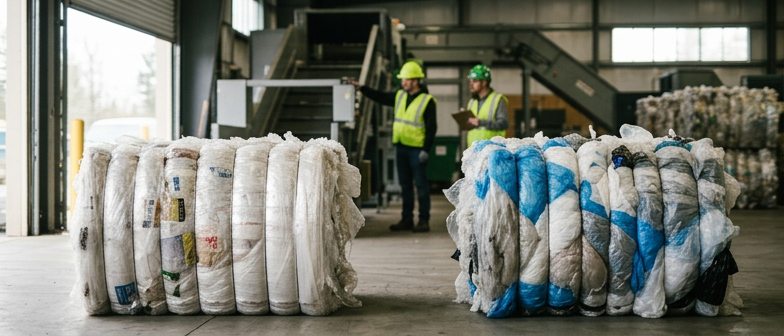
Commercial plastic film recycling typically covers pallet stretch wrap, shrink film, and other low‑density polyethylene packaging from warehouses, distribution centers, and manufacturing sites. When businesses compare recyclers, they look at which providers can handle their mix of clean and lightly contaminated film, what preparation is required, and how material must be stored before pickup. Some operators focus on uniform LDPE film from logistics operations, while others accept a wider range of commercial films under stated quality and contamination limits. A recurring question is whether everyday packaging waste can reliably meet a recycler’s specifications and minimum load size so that service remains practical and cost‑effective.
Service models vary and strongly influence the choice of partner. Many direct film recyclers prefer baled loads and set minimum weight thresholds, particularly for LDPE film, while some design programs for collecting loose film and may supply compacting equipment so businesses can participate without installing a full baler. Brokers aggregate smaller generators to meet the volume and quality requirements of end recyclers. When assessing these options, companies weigh operational fit, including space for storage and staff time for sorting, against financial considerations such as pickup charges and potential value for clean, consistent film, then select the arrangement that best matches their material stream and recycling goals.
When planning commercial film recycling, a common choice is between working with a direct plastics recycler or using a broker. A direct recycler runs the processing equipment and therefore sets its own specifications for LDPE film, minimum load size, and whether material is purchased or only collected. These partners usually give clearer guidance on contamination, bale density, and how pallet wrap or other films fit into their feedstock. Brokers act as intermediaries that gather material from many sites and place it with different processors. They may cover a wider region and adjust pickup routes more easily, but their acceptance rules can change as markets shift because they follow the requirements of the facilities they supply.
Cost and operational considerations also differ. When comparing commercial film options, direct processors often provide more predictable pricing for steady volumes because they can align rates with their manufacturing needs and your typical load, whether loose film or bales. Brokers can be useful for locations that cannot meet a single recycler’s minimum tonnage, since they can combine loads from several generators, although this coordination role may add fees or expose you to changing market conditions. Pickup costs, revenue from clean film, and reliability depend on factors such as distance to processing plants, whether you have a baler, staff ability to keep film clean, and your need for stable, long term material specifications.
| Option | Service Flexibility | Pricing Transparency | Specification Guidance | Best Fit Scenario |
|---|---|---|---|---|
| Direct LDPE Film Recycler | Moderate, tied to plant needs | Higher, more stable for steady loads | Detailed on contamination and bale quality | Large sites with consistent pallet wrap |
| Regional Film Broker | High, routes adjusted across sites | Variable, influenced by market shifts | Mixed, depends on partner processors | Multiple small locations sharing film |
| Direct Recycler Without Baler | Focused on planned loose film pickups | Clear once typical load is known | Practical advice on loose film preparation | Warehouses starting organized film collection |
| Broker Serving Mixed Film Streams | Flexible for irregular volumes | Less predictable during market changes | General quality rules, changing acceptance | Sites below minimum load for one recycler |
| Long‑Term Contract With Recycler | Stable, aligned with production cycles | Consistent for agreed volumes | Structured specs for LDPE and pallet wrap | Businesses seeking reliability over time |
When comparing local commercial film pickup services, businesses look at collection frequency, whether containers or gaylords are supplied, and how scheduling fits production peaks. Some providers plan routes for steady, high volumes, while others handle occasional loads for sites without a baler, using loose bags or cages. Clarifying loading, site access, and film preparation rules helps prevent film from piling up or disrupting warehouse operations.
Pickup costs usually reflect load size, film cleanliness, and how much handling the recycler must perform. Smaller generators or sites without balers may pay per‑pickup or transport fees, while high‑volume locations with sorted film can qualify for more favorable rates. When reviewing quotes, ask how minimum load thresholds influence pricing, what charges apply to mixed or contaminated film, and whether costs cover only transport or also processing and basic documentation.
Commercial film recyclers typically expect plastic film to be sorted by type, reasonably clean, and dry before offering pickup or pricing. For LDPE stretch wrap from pallets, generators are usually asked to remove strapping, corner boards, rigid plastics, and labels with heavy adhesive. Clear film with limited residue and consistent color generally receives better pricing, while mixed colors, moisture, and visible contamination can lead to downgraded loads or rejection. When sites produce baled pallet wrap, buyers look for tight, uniform bales that follow common industry specifications so they can compare material quality across locations.
Accurate weights and clear preparation details strongly influence pickup requirements and cost. Generators are often asked to weigh film using a floor or lift truck scale and record the weight per container or bale to support transport planning. Most LDPE film programs set a minimum load size for either baled or loose material to make collection economical. Facilities without a baler may use gaylords, carts, or compactors, but recyclers tend to require higher minimum volumes or less frequent service for loose film and may ask for photos or descriptions of storage methods before confirming schedules and typical charges.
Contamination limits are central to acceptance rules for film generated in warehouses, manufacturing plants, and distribution centers. Many recyclers tolerate small amounts of labels, tape, or paper, yet they set strict thresholds for food residue, oils, hazardous substances, and non‑film plastics. Loads that exceed these limits may need to be diverted away from standard recycling streams. Generators who understand and follow published quality guidelines can separate unacceptable materials, making it easier for direct recyclers, brokers, or buyers of baled pallet wrap to assess the film and provide quotes that reflect both material condition and handling logistics.
Facilities usually weigh plastic film on dock floor scales or forklift scales and record weight by pallet or container. Material should be dry and cleared of obvious non‑plastic items so the weight reflects usable film. Simple logs noting date, film type, and visible contamination help recyclers estimate volumes, check that low density polyethylene minimum load thresholds are met, and prepare pricing and transport plans.
Choosing whether to bale film depends mainly on generated volume and available space and equipment. Dense, well‑secured bales of consistent pallet wrap are easier to ship, and many LDPE buyers prefer this format. Sites without a baler may still work with commercial film recyclers by consolidating loose film in lined carts or gaylords and preparing full loads, but collection options, minimum quantities, and transport costs should be discussed in advance.
When requesting a commercial plastic film recycling quote, businesses are usually asked for core details that affect logistics and pricing. Recyclers need to know the film type, typical contamination such as labels or tape, and how material is prepared, whether loose, in containers, or baled. They also rely on approximate weights per pickup or per month, site location, loading conditions, and the availability of a dock or forklift. Clear photos and brief notes on internal handling procedures help recyclers assess collection options and allow businesses to compare different providers on similar assumptions.
Lithographic printing film and other specialty grades often require more detail before a quote is issued. Recyclers may ask about composition, including any metals, how the film is stored and labeled, and whether it is kept separate from other plastics. Historical generation data, recent weight tickets, or small samples are sometimes requested to confirm grade and recovery potential. Because commodity value and regulatory considerations can vary, pricing often depends on consistency of supply and documented handling steps rather than only on total weight.
For X-ray film and related imaging materials, documentation expectations are typically stricter due to privacy concerns. Recyclers may offer certificates of destruction, batch or serial tracking, and written confirmation that images are rendered unreadable during processing. Businesses are usually asked to describe the types of records involved, applicable legal or privacy rules, and whether witnessed destruction or long-term documentation is required. When comparing recycling options for these materials, organizations often consider both financial return and the robustness of destruction and verification records.
How should I compare local commercial film recyclers and brokers?
Check what film types they accept, contamination limits, minimum load size, pricing method, pickup frequency, and whether they handle sites with or without balers.
What are typical requirements for stretch wrap recycling pickups?
Material usually must be LDPE pallet wrap, dry, free of strapping, corner boards, rigid plastics, and heavy labels, stored in bales, bags, or containers according to the recycler’s guidelines.
How do facilities correctly weigh film for recycling quotes?
Use dock or forklift scales on dry, prepared film, record weight by pallet or container, and keep simple logs by date, film type, and visible contamination to support quote requests.
What information is needed to get a commercial film recycling quote without a baler?
You’ll be asked for film types, how they are stored loose, estimated monthly or per‑pickup weights, photos of material, site location, loading conditions, and dock or forklift availability.
Are contaminated plastic films such as lightly labeled pallet wrap usually accepted?
Many recyclers accept light contamination like labels or tape, but heavy residues, mixed non‑plastics, or moisture can cause downgrades or rejection, so quality rules should be confirmed in advance.