
x
When you request a commercial plastic recycling quote, small contract details can change the real value of your scrap. This guide helps you compare offers by resin grade, contamination deductions, pickup and drop‑off logistics, and settlement reporting, especially if you lack equipment or ship mixed industrial plastics.
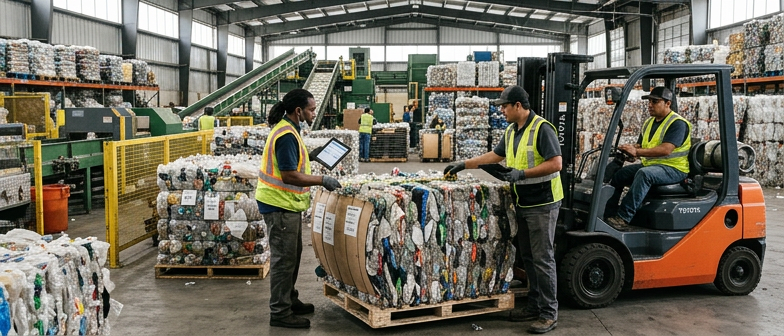
A commercial plastic recycling quote is an estimate that explains how a recycler plans to handle a business’s plastic scrap, the expected value of recoverable material, and any processing or handling charges. Pricing usually depends on plastic type, volume, and cleanliness. Value is often broken out by resin grade because materials such as PET, HDPE, LDPE, and PP have different market prices and end uses. When scrap contains labels, mixed materials, food residue, or metal, the quote may include extra sorting, cleaning, or disposal fees, which reduce the net return. Knowing how resin value and contamination affect charges helps companies compare recycling offers on a consistent basis instead of focusing only on a single price figure.
Before requesting a quote, businesses can assemble basic information to support clearer estimates. Useful details include approximate monthly weight, typical bale size or container type, the mix of resin grades, and whether material is baled, compacted, or stored loose. Photos or descriptions of contamination levels allow recyclers to estimate added processing needs and likely cost adjustments. Companies that track output by resin grade and seasonal volume changes provide a more reliable picture of supply, which can lead to more precise pricing assumptions. With this information organized in advance, it is easier to evaluate how each proposal addresses contamination, material quality, and market conditions rather than relying on rough, difficult‑to‑compare figures.
| Factor | Typical Quote Impact | Expected Material Value | Processing Complexity | Suggested Preparation |
|---|---|---|---|---|
| High‑value resin grades (PET, HDPE) | Favorable overall terms | High | Medium | Separate by resin and color |
| Mixed or lower‑value resins | Variable or cautious terms | Medium | Medium | Document resin mix clearly |
| Clean, well‑sorted scrap | More competitive offers | High | Low | Minimize labels and residues |
| Noticeable contamination | Reduced net return | Low | High | Provide photos and descriptions |
| Consistent bale size and form | Stable logistics assumptions | Medium | Low | Standardize bale dimensions |
| Irregular volume or loose storage | More cautious pricing | Medium | Medium | Track monthly weights and storage form |
Before requesting a commercial plastic recycling quote, record what plastics your facility produces in clear categories. Note resin types and codes such as PET, HDPE, PVC, LDPE, PP, or PS, and whether items are rigid, film, or foam. Distinguish post‑industrial from post‑consumer material and document typical colors or product types. Because pricing often depends on resin grade, color mix, and form, this detail helps recyclers assess the value of your plastic scrap and makes their offers easier to compare.
You should also document quantities and typical contamination so that cost and material value can be evaluated separately. Estimate average weights per week or month, typical shipment size, and variations between busy and slow periods, since these factors influence logistics and pricing structures. Describe common contaminants such as labels, residues, mixed materials, or metal pieces, and indicate when loads need extra sorting or washing, so recyclers can explain how contamination affects processing charges and overall cost estimates.
Choosing an industrial plastic recycler starts with understanding your material streams and site limitations, then comparing how nearby and regional facilities manage those plastics. Businesses typically review which resin grades they generate, contamination levels, and whether material leaves the site as loose scrap, sorted parts, or compacted bales. When assessing recyclers in the area, it is important to confirm accepted polymers, contamination thresholds, and any value-added options such as toll grinding or pelletizing for ongoing commercial volumes. Location influences transport cost and response time, but many organizations weigh distance against technical capabilities, reporting practices, and familiarity with similar manufacturing processes.
After potential partners are identified, the service model needs to fit day-to-day operations, including pickup and drop-off arrangements. Some recyclers offer scheduled collections that work with dock access or smaller sites, while others focus on business drop-off programs where staff deliver sorted plastic to a central facility. For sites producing baled material, expectations around bale size, strapping, and loading should be clarified before committing to routine collections or planning to sell baled industrial plastic scrap. Where internal processing capacity is limited, companies may request a cost estimate for pelletizing to judge whether outsourcing conversion to pellets aligns with budget and quality requirements. Comparing these options helps align recycling plans with safety procedures, labor availability, and longer term waste reduction objectives.
Businesses typically choose between scheduled pickup of plastic scrap and delivering material to a drop-off facility. Pickup can reduce on-site handling, but recyclers may apply minimum weight requirements, fees for small loads, or rules on sorting and preparation. Drop-off options often allow more flexible timing and load size, which can suit smaller generators or companies piloting a recycling program. When comparing quotes, it is useful to weigh not only the price offered for the material but also staff time, storage needs, and any preparation work required.
Value-added processing, such as turning industrial scrap into pellets, can change overall returns by creating a more usable feedstock when material quality is consistent. Companies that bale plastic before sale may receive more stable offers, but they must meet each recycler’s bale dimensions, contamination limits, and documentation standards. Asking for clear estimates on pelletizing or other processing, alongside prices for baled scrap, helps businesses see whether extra preparation costs are balanced by better pricing or improved downstream use.
When businesses request a commercial plastic recycling quote, logistics and minimum requirements are often as important as resin type or market pricing. Many recycling companies set a minimum pickup weight to keep transportation economically and environmentally reasonable, so smaller generators may be offered drop-off options instead of collection. Facilities usually prefer material that is compacted or baled because it maximizes truck space, but they may specify bale sizes, strapping, and stacking stability to reduce safety risks and handling time. Clear information about dock availability, loading areas, and hours of operation helps recyclers plan routes and may influence the rate they propose.
Equipment constraints also shape how plastic scrap can be collected, especially for sites that do not have a forklift or pallet jack. Some service providers can send trucks with liftgates or bring their own handling tools, while others only accept material that can be loaded mechanically, which may limit pickup options for light or loose plastics. Bags, boxes, gaylords, and carts each have different handling costs and may require additional labor or reprocessing, so recyclers factor these conditions into the quote. Businesses can often improve pricing and reliability by consolidating material into uniform containers, ensuring safe access for trucks, and sharing accurate details about any equipment they lack when they request a commercial recycling estimate.
If a site does not have a forklift or similar equipment, it helps to describe clearly how plastic scrap is stored before requesting a commercial recycling quote. Businesses can explain whether material is loose, in containers, or baled, how far it is from the loading area, and whether staff can assist with safe hand loading. Recyclers may set different minimum pickup weights and prices when manual handling or smaller trucks are needed, so asking how onsite limits affect these thresholds can reduce misunderstandings. It is also useful to mention building access, loading hours, narrow docks, uneven ground, or low overhead clearance, so the recycler can suggest options such as pallet jack–friendly packaging, several smaller collections that still meet minimum weight over time, or using a drop‑off location when onsite pickup is not practical.
What should I prepare before requesting a commercial plastic recycling quote?
List resin types and codes, typical colors, forms (rigid, film, foam), post‑industrial vs post‑consumer origin, average volumes, and how material is stored or baled.
How can I fairly compare plastic scrap recycling quotes from different companies?
Compare resin‑grade pricing, contamination deductions, transport and handling fees, minimum pickup weights, and contract terms such as payment schedule and reporting detail.
How does contamination affect the cost estimate for recycling business plastics?
Labels, mixed materials, food residue, and metal usually add sorting, cleaning, or disposal charges, which reduce the net value paid for your scrap in the quote.
What pickup details matter if our site has no forklift for baled plastic?
Describe whether bales or containers can be moved by pallet jack or hand, distance to the loading area, access limits, and whether staff can safely assist loading.
What information is typically included in a plastic recycling settlement report?
It usually shows weights by load and resin grade, contamination or downgrade adjustments, applied prices, service fees, and the final amount credited or invoiced.