
x
Choosing a compact SUV often comes down to how the interior really works for daily life. This guide helps you judge cabin space, cargo flexibility, child seat fit, visibility, comfort features, and fuel‑economy trade‑offs so the size and layout match your passengers and parking realities.
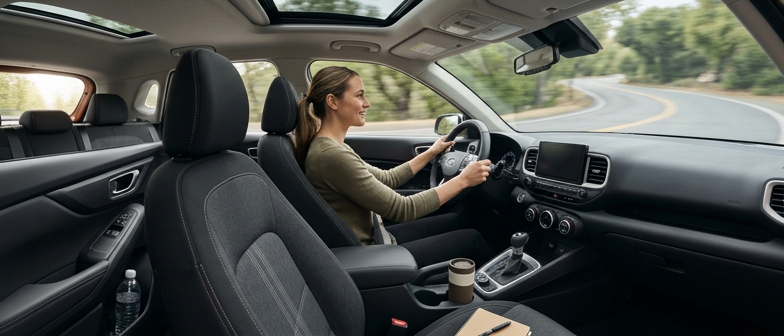
Interior space is a core reason many drivers consider a compact SUV instead of a small sedan or larger crossover. These vehicles try to combine a higher seating position and flexible cargo area with an exterior size that still fits easily into street parking, home garages, and tighter driveways. When comparing models, look at headroom, legroom, and shoulder room in both rows, because these measurements shape comfort on daily commutes and longer trips. Two compact SUVs can appear similar from the outside yet feel very different inside, so cabin layout, roof height, and how the space is shaped can matter as much as the numbers on a spec sheet.
Real-world fit also depends on how the interior is arranged. Features such as sliding or reclining rear seats, flat-folding seatbacks, and a low cargo floor help carry strollers, sports gear, or groceries without moving to a much larger vehicle. Door openings, step-in height, and the space between front and rear seats influence how easily children, older passengers, and pets get in and out. Many drivers look for a compact SUV that feels open enough for regular family use yet remains simple to maneuver in tight parking lots and heavy traffic. Sitting in each seating position and loading typical items into the cargo area is a direct way to judge whether a specific model’s size and layout suit your needs.
When judging cargo space in a compact SUV, look at how usable it is rather than only the quoted volume. Check whether the load floor is flat, if there is a high lip at the liftgate, and how wide and tall the opening is for strollers or large grocery bags. Fold the rear seats yourself to see how the split works, such as 60/40 or 40/20/40, and whether they create a mostly level surface for bikes, crates, or luggage. Inspect any hidden storage under the floor around a spare tire or repair kit, which can hold tools or emergency items without reducing visible cargo room. If you use child seats, especially rear‑facing ones, note how much they eat into the cargo area and whether everyday items are still easy to load.
Beyond the main cargo bay, everyday usability depends on how the cabin manages small items. Open the center console fully and see if it can hold a small bag, tablet, or several bottles without turning into clutter, and pay attention to movable dividers, sliding lids, and soft liners that keep things in place. Check door pockets, seatback pockets, and the tray ahead of the shifter for practical spots to keep phones, snacks, and charging cables within reach. Families should see how cup holders and nearby trays work with car seats, because wide bases or boosters can limit access to storage. During a test sit, place a phone, reusable bottle, wipes, and a few toys around the cabin to judge whether the layout feels organized or cramped in everyday use.
| Check Item | What To Look For | Impact on Daily Use | Suggested Rating |
|---|---|---|---|
| Cargo opening and load floor | Flat floor, low liftgate lip, wide and tall opening | Easier loading of strollers, grocery bags, bulky gear | High / Medium / Low |
| Rear seat folding flexibility | Practical split (60/40 or 40/20/40), near‑level folded surface | Better space for bikes, crates, suitcases | High / Medium / Low |
| Under‑floor and hidden storage | Usable space around spare tire or repair kit | Keeps tools and emergency items out of sight | High / Medium / Low |
| Center console and small‑item storage | Dividers, sliding lids, soft liners, access with buckled seats | Reduces clutter, keeps phones and bottles secure | High / Medium / Low |
| Child seat and cargo interaction | Rear‑facing seat footprint, access to cargo behind seats | Determines room for daily bags and family gear | High / Medium / Low |
| Cabin organization feel | Placement of trays, cup holders, pockets for essentials | Cabin feels organized rather than cramped | High / Medium / Low |
Child seat practicality in a compact SUV depends on door openings, roof height, and rear‑seat layout. Wide rear doors and a taller roof make it easier to angle bulky rear‑facing seats into place without bumping the roof or door frame. Inside, clearly marked lower anchors positioned near the seat bight and reachable top tether points reduce the need to dig through upholstery and help keep forward‑facing seats secure, which is useful when checking how well the vehicle’s size and fit suit everyday loading.
Rear‑seat legroom determines whether a rear‑facing seat presses into the front seatback or still leaves space for an adult in front. With one or two child seats installed, effective cargo room behind the second row can feel smaller, so it is worth confirming that a stroller, bag, and regular groceries still fit easily and that the lift‑over height allows loading these items without awkward lifting.
Passenger comfort in a compact SUV usually starts with two front bucket seats and a three-person rear bench. Front seat support, including adjustable lumbar, height, recline, and thigh bolstering, strongly affects how relaxed longer drives feel. In the back, legroom, headroom, and seatback angle differ between models, so adults should sit in all positions to see whether they feel upright and cramped or comfortably settled. Families who often use all three rear spots may want to test whether the bench is wide enough and whether the center seat provides usable padding and space rather than treating it as a purely occasional perch.
Seating features often increase as you move up trim levels, which affects comfort in different climates. Many compact SUVs add heated front seats on mid-range trims and sometimes heated rear outboard seats or a heated steering wheel on higher grades. Ventilated cushions and upgraded upholstery such as synthetic leather or leather are more common near the top of the lineup, while entry trims typically use cloth that feels practical but less upscale. Because feature bundles vary, it is helpful to compare specific equipment packages and options instead of relying on trim names alone when deciding which version matches your comfort priorities.
Visibility from the driver’s seat is another key part of everyday comfort. A higher seating position than a typical car can provide a clearer view over traffic, but thick roof pillars and small rear windows may create blind spots. When evaluating a compact SUV, adjust the seat and steering wheel, check sight lines to the front corners, and look over your shoulder to judge how easy it is to see pedestrians, cyclists, and nearby vehicles. Support features such as large mirrors, a wide-angle rear camera, and, on some models, a surround-view system can help, but the basic view through the glass should still feel natural and confidence-inspiring.
Driver visibility in a compact SUV is shaped by the size and angle of the windshield, the thickness of roof pillars, and how side and rear windows are arranged. Taller glass and slimmer pillars can make it easier to spot pedestrians and lane markings, while generous side windows help when checking blind spots or pulling into traffic. During a test drive, many drivers look for mirrors that sit far enough out on the door to reduce blind areas and a rearview mirror that offers a clear view past rear head restraints and cargo.
Dash and center console design determines what the driver can reach and how well small items are organized. A lower dashboard can preserve the view over the hood, while simple, logically placed controls reduce distraction. When reviewing center console storage in a small SUV, it helps to see whether covered bins, cupholders, and charging pads are easy to access without blocking climate or audio controls.
In compact SUVs, cabin space, trim content, and fuel economy are closely linked and all affect total cost. Extra sound insulation, panoramic glass, or larger wheels can add weight and slightly reduce efficiency compared with simpler trims using the same engine. High‑efficiency or hybrid powertrains often improve mileage, but the hardware may reshape cargo areas or under‑floor storage, which can change how easily you load bulky items or use the rear seats. Shoppers should look beyond headline mpg and consider how each engine and feature package affects everyday usability, including rear legroom, seat folding, and cargo access.
Online configuration tools make it easier to see how interior upgrades, powertrain choices, and price move together as you switch between trims and option packages. They also offer a starting point for estimating future trade‑in value, because versions with practical interiors and competitive fuel economy typically attract more used‑vehicle interest, though markets and conditions vary. Thinking of the cabin layout, powertrain, and purchase price as one system helps you weigh short‑term comfort against long‑term fuel costs and potential resale value when selecting a compact SUV.
How can I judge interior space and overall fit in a compact SUV?
Compare headroom, legroom, and shoulder room, then sit in every seat. Notice door size, seat height, and whether the cabin feels cramped or open, because layout can matter as much as the numbers.
What should I check to understand cargo capacity and everyday storage?
Look at cargo area shape, load‑floor height, and how flat it is with seats folded. Try the split‑folding function, inspect any under‑floor bins, and test with items like luggage or a stroller.
How do you evaluate child car seat fit in a small SUV?
Wide rear doors, roof clearance, and clearly marked LATCH anchors help. Bring your own seats, check rear‑facing space, and confirm top tether points are reachable without moving a lot of trim or cargo.
Which interior factors matter most for driver visibility?
Assess windshield size, pillar thickness, and rear window shape. On a test drive, check mirror coverage, rear headrest impact, and camera or sensor aids, but do not rely on electronics to fix poor sightlines.
How do trim level and powertrain choice affect comfort and fuel use?
Higher trims may add heated seats, noise insulation, and larger wheels, improving comfort but often adding weight. Hybrid or efficiency‑focused engines can change fuel economy and sometimes slightly alter cargo layout.