
x
Choosing a laser treatment clinic often means weighing medical oversight, safety screening, and out‑of‑pocket costs for services like hair removal, neuropathy therapy, or skin resurfacing. This guide compares med spas, dermatologist‑led clinics, and physical therapy laser options so you can judge eligibility, risks, and appointment expectations.
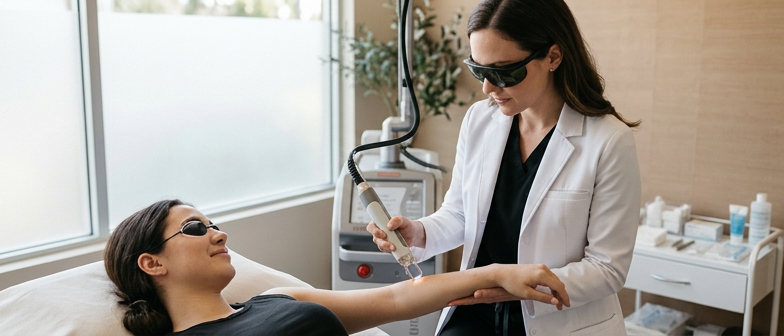
Laser treatment clinic providers include dermatologist offices, physician‑led practices, dedicated laser centers, and medical spas. All may use similar devices for skin conditions, hair removal, scars, or vascular lesions, but they differ in medical oversight and purpose. Dermatology or other medical clinics usually focus on diagnosing and treating health‑related problems, choosing laser settings as part of a broader clinical plan. Many med spas and stand‑alone laser clinics emphasize aesthetic goals, so a common comparison is whether services are delivered in a medically supervised setting or in a primarily cosmetic environment.
The people performing laser procedures also differ in training and scope of practice. In physician‑run clinics, board‑certified dermatologists or other doctors typically decide whether laser is appropriate and may perform treatments or delegate them to nurses or certified laser technicians who follow written medical protocols. Med spas and cosmetic laser centers often rely on licensed aestheticians or laser specialists whose duties are defined by local regulation and by any supervising clinician. Before choosing between a med spa and a dermatologist‑directed laser service, it is useful to confirm who makes clinical decisions, what qualifications the operator has, and how complications or unexpected reactions are managed.
| Provider Type | Primary Focus | Typical Operator Training | Medical Oversight Level | Best Fit Scenarios |
|---|---|---|---|---|
| Dermatology clinic | Medical skin diagnosis and treatment | Board‑certified dermatologist, nurses, certified laser technicians | High | Complex skin disease, scars, pigment disorders |
| Physician‑led laser center | Mixed medical and aesthetic laser care | Physicians with trained nursing or laser staff | High to medium | Patients needing coordinated medical evaluation with cosmetic goals |
| Medical spa | Aesthetic improvement and rejuvenation | Licensed aestheticians, laser specialists | Medium to low, varies by supervision | Hair removal, texture and tone concerns in generally healthy clients |
| Standalone cosmetic laser clinic | Targeted cosmetic laser procedures | Laser technicians with procedure‑specific training | Medium, protocol‑based | Focused hair removal or resurfacing when major skin disease already managed |
| Physical therapy setting with laser | Pain relief and tissue recovery | Physical therapists using therapeutic laser devices | High within rehab scope | Neuropathy symptoms, musculoskeletal pain as part of rehab plan |
Medical spas, dermatology clinics, and dedicated laser centers all use similar devices but differ in oversight and how broadly they manage skin health. A med spa usually emphasizes cosmetic goals such as hair removal or rejuvenation and may be overseen by a physician while day‑to‑day laser sessions are done by staff with varied training, so it is important to ask who operates the device and what credentials they hold. Dermatologist‑led practices typically integrate laser treatment with medical care, which helps when scarring, pigment disorders, or other skin disease need to be assessed before treatment. Standalone laser clinics may focus on a narrow range of procedures and specific machines, yet safety still depends on staff qualifications, clear informed consent, emergency planning, and transparent discussion of realistic results and alternatives, rather than on the clinic label alone.
Before any laser procedure, clinics usually complete a structured intake to decide whether treatment is appropriate and how it should be customized. The clinician reviews medical diagnoses, medications, prior surgeries, history of scarring or keloids, and past reactions to procedures. People seeking laser for nerve‑related pain are asked in detail about neuropathy symptoms, duration, and which professional is managing the condition. This helps determine if laser therapy fits their situation, whether other tests or referrals should come first, and what settings or treatment schedule might reduce the chance of worsening symptoms or overlooking another cause.
Skin type, natural pigmentation, and tanning habits are central because they influence how safely the skin can absorb laser energy. Providers record baseline skin color, look for darker patches or scars, and ask about hyperpigmentation after minor injuries. This assessment guides the choice of device, wavelength, test spots, and cooling methods, and some people may be advised to delay or avoid certain lasers if pigment‑change risk appears high. For hair removal, the color and thickness of the hair, including gray or very light hair, are also evaluated, since devices that rely on pigment may offer limited benefit and alternative approaches may be discussed.
Reproductive status and current medications are also reviewed, especially before hair removal or resurfacing. Many clinics are cautious about treating people who are pregnant or trying to conceive because safety data are limited and the risk–benefit balance differs. The clinician may ask about breastfeeding, drugs that increase light sensitivity, blood thinners, and immune‑modulating medicines that can affect healing or bruising. After this screening, the provider explains whether laser therapy is reasonable, which procedures are being considered, and what precautions, timing changes, or non‑laser options may be more suitable.
Many people ask whether laser hair removal is safe during pregnancy. Because research on developing babies is limited, clinicians usually advise delaying treatment even though clear harm has not been shown. Providers also review skin tone and any history of dark marks or scarring, since some skin types have a higher chance of pigmentation changes. Pre‑treatment checks often include questions about reactions to sunlight or previous procedures and may use a small test area before treating a larger region.
Effectiveness on gray, very light blond, or white hair is another frequent question. Most hair removal lasers rely on pigment in the hair shaft, so very light or non‑pigmented hair often responds poorly. During a consultation, a qualified laser practitioner or dermatologist can assess your hair and skin, explain how likely standard devices are to help, and discuss alternatives such as electrolysis when laser results are expected to be limited.
Laser clinics commonly offer cosmetic, medical, and rehabilitative services. Cosmetic visits may focus on hair reduction, skin rejuvenation, or visible vessels and pigment, while dermatology clinics may add resurfacing and scar treatment to a broader skin examination. Because stronger devices carry more risk, a dermatologist or other licensed professional usually reviews medical history, medications, and skin or tissue concerns before planning treatment settings and schedules. In rehabilitation settings, physical therapy offices may include therapeutic laser as one part of a wider plan for pain management or tissue recovery rather than as a single stand‑alone solution.
Despite different goals, the visit structure is often similar. New patients usually complete health forms, then meet a qualified clinician to discuss goals, risks, alternatives, and expected results in understandable language. For hair removal, the active laser time is often short, but the total appointment can be longer once preparation, consent, and post‑treatment skin care instructions are included. A dermatology consultation that involves laser planning may emphasize careful examination, photographs, and small test areas, while in a physical therapy session the laser portion may occupy only part of a standard appointment. Before leaving, patients typically receive guidance on home care, activity limits, and when to return or report unexpected side effects.
During a dermatologist laser treatment consultation or a visit with a licensed laser specialist, you are usually asked about your medical and skin history, medications, prior procedures, and any tendency to scar or develop keloids or cold sores. The clinician examines your skin type, hair and pigment, and the specific concern such as redness, scarring, or unwanted hair. Many clinics also screen for pigment‑related risks before treatment, using your natural tone, tanning habits, and any past color changes to guide laser settings or suggest alternatives.
After this assessment, the specialist explains which laser options may be suitable, likely treatment goals, and how many sessions are commonly used, noting that results vary. Possible side effects, from short‑term redness to less common pigment changes or scarring, are reviewed along with who to contact if problems occur. A simple plan is outlined, including timing between sessions, sun protection, and basic skin care so that you can give informed consent and decide whether to proceed.
How do I choose between a med spa, a dermatologist, and a dedicated laser clinic?
Compare who supervises treatment, what qualifications the laser operator has, how complications are handled, and whether your main goal is medical diagnosis, long‑term skin health, or cosmetic improvement.
Am I eligible for neuropathy laser treatment at a clinic?
Eligibility depends on your diagnosis, symptom pattern, medications, and who manages your nerve condition. A clinician should review your records and rule out other causes before adding laser therapy.
What should I ask a licensed laser specialist near me during a consultation?
Ask about their training, device type, how they adjust settings for your skin or hair, expected number of sessions, side effects, emergency procedures, and what alternatives exist if laser is not suitable.
How long does a typical laser hair removal appointment take?
Small areas may take 10–20 minutes, while large regions such as legs can take 30–60 minutes, including brief safety checks and post‑treatment instructions.
What happens during pigmentation risk screening before laser treatment?
The clinician evaluates your natural skin tone, tanning history, prior dark marks or scars, and may test a small spot so they can choose safer settings or recommend different treatments.