
x
Conveyor sorting system vendors differ in technology, cost structure, and integration capability, which can complicate retrofit or greenfield decisions. This guide helps you compare sliding shoe, tilt-tray, and cross-belt options, estimate total project cost, and structure RFQs and timelines for installers and integrators.
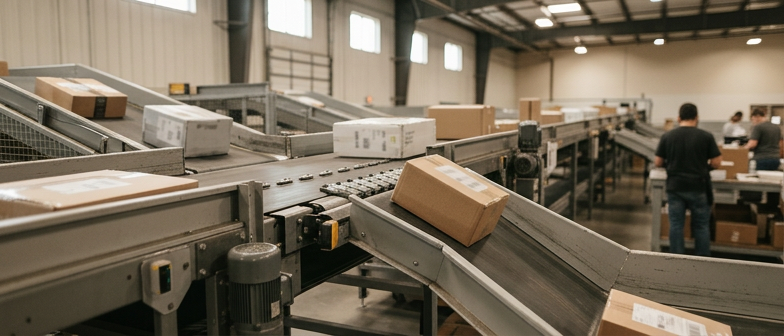
Conveyor sorting system vendors range from large automation companies that supply complete material handling lines to specialists focused on a single type of sorter. Solutions are typically modular and configurable for parcel, apparel, food, or general merchandise, scaling from a few chutes to dense sortation layouts. Buyers encounter original equipment manufacturers that design and build hardware, software firms that provide warehouse control systems, and independent integrators that combine components into one coordinated solution. Because facility layouts and product mixes differ, these systems are usually promoted as flexible building blocks rather than fixed, one‑size‑fits‑all equipment.
For operations with conveyor already installed, compact sorters that mount over or within existing lines offer a way to add diversion capability without a full rebuild. Retrofit‑oriented integrators review current layouts, controls, and available space, then recommend add‑on sort modules, sensors, and control updates to extend system life and performance. This incremental approach allows facilities to introduce automation on a limited portion of the network, trial new workflows with lower disruption than full replacement, and still gain access to modern sortation technology and software connectivity.
Conveyor sortation vendors typically focus on a few main technologies, each balancing speed, footprint, and product handling differently. Sliding shoe systems use shoes that glide across a moving slat conveyor to push cartons onto take‑away lines, which helps with fragile or mixed‑size packaging. Cross belt sorters use a chain of short, independently driven belts mounted on a track; each belt can move items sideways into a chute with controlled placement. Sliding shoe designs often suit long, relatively straight layouts and high throughput, while cross belt platforms allow more flexible divert angles and precise discharge points but introduce more moving parts and maintenance needs. When comparing these options, teams usually consider required throughput, package type and condition, acceptable noise, spare‑parts complexity, and available space.
Tilt tray and cross belt sorters also appear frequently in higher‑volume distribution. A tilt tray sorter carries products on flat trays that tip to drop items into destinations, which can work for bags, irregular parcels, and small items in totes. Cross belt systems keep items on a driven belt and discharge by accelerating or reversing the belt, which can improve accuracy into narrow chutes or containers. Tilt tray layouts may need more vertical clearance and careful design at points where items leave the tray, while cross belt sorters demand precise belt control and regular calibration. Comparison typically focuses on product mix, allowable drop heights, noise and dust, and whether the site prioritizes compact high‑rise destinations or can use longer chutes and run‑outs.
Facilities that already operate conventional conveyor sometimes add compact sorter modules instead of installing a large new platform. These modules can be narrow belt sorters, pop‑up wheel or roller diverters, or short cross belt segments inserted into existing runs to create extra shipping lanes, carrier‑specific diverts, or segmented outbound flows in constrained areas. Because the sorter must physically fit within the current line, integrators pay attention to elevation changes, side guards, transfer gaps, and controls integration with the warehouse control system. This retrofit approach can limit structural changes and shorten installation windows but usually caps achievable throughput and the number of sort destinations compared with a purpose‑built, large‑scale solution.
| Sortation Technology | Best‑fit Use Case | Footprint & Layout | Product Handling | Integration & Maintenance |
|---|---|---|---|---|
| Sliding shoe sorter | High‑rate carton and tote lines | Long, straight conveyor runs | Gentle on mixed sizes | Moderate integration, lower part complexity |
| Cross belt sorter | Mixed parcels needing precise discharge | Flexible divert angles, varied paths | Controlled placement into narrow chutes | Higher controls complexity, more moving parts |
| Tilt tray sorter | Bags and irregular parcels | Requires vertical clearance, dense destinations | Accepts varied shapes with tipping trays | Needs careful discharge design, regular checks |
| Compact sorter module | Retrofits on existing conveyor | Fits within current elevations and guards | Capable but throughput‑limited | Tight WCS integration, constrained expansion |
Sliding shoe sorters are used when cartons or totes need gentle handling and flexible divert points along the conveyor. They suit parcel and e‑commerce operations with medium to high throughput and relatively stable product sizes. Cross‑belt systems carry items on individual belts, supporting higher speeds, mixed packaging, and precise discharges into chutes. When comparing sliding shoe with cross‑belt, teams look at footprint, noise, maintenance demands, and how much control is needed over each item.
Tilt‑tray and cross‑belt sorters are selected where continuous carrier flow and many destinations are required. Tilt‑tray equipment tips items into set discharge points and is common for soft goods, parcels, and polybags in fulfillment operations. Cross‑belt sorters offer similar coverage but can place items more accurately into narrow or varied containers. In kitting or returns processing, engineers compare tilt‑tray and cross‑belt based on item stability, sort accuracy, and integration with upstream and downstream conveyor lines.
Automated conveyor sorting system cost depends on throughput, item mix, number of destinations, and available floor space, which guide the choice between technologies such as sliding shoe, tilt tray, or cross belt sorters. Budget is also affected by controls architecture, safety provisions, and changes required to upstream and downstream conveyors. Building conditions, including ceiling height, electrical capacity, and whether operations must stay running during installation, influence engineering effort and labor. When reviewing proposals from vendors, it is helpful to compare total project cost, including mechanical equipment, controls, software, installation, testing, and operator training, rather than focusing only on sorter hardware.
A clear request for quotation allows different vendors to respond with comparable offers and reduces later scope gaps. Useful RFQ content includes throughput and accuracy targets, product sizes and weights, number and type of sort locations, and layout constraints. It is important to describe existing conveyor assets and warehouse control systems, preferred control standards, maintenance expectations, and any regulatory or corporate safety rules. Many buyers ask suppliers to itemize hardware, controls, and integration services so internal teams can see how each element contributes to the investment. Stating performance acceptance criteria and how go live testing will be run gives integrators a measurable target and simplifies contract evaluation.
Sortation system installation timelines vary with project scope, but most follow similar phases. After concept design and budget alignment, there is an engineering and detailed layout stage, then manufacturing of mechanical equipment and control panels. On site work typically starts with mechanical installation, followed by wiring, controls configuration, and integration with warehouse software. Commissioning and performance testing close out the schedule and may use a phased ramp up to limit disruption. When requesting a custom conveyor sorter quote, buyers can ask integrators to show baseline and contingency schedules, highlight dependencies such as permits or planned shutdowns, and clarify what internal staffing support is assumed during installation and start up.
| Checklist Area | Key Items To Specify | Why It Matters | Vendor Response To Compare |
|---|---|---|---|
| Throughput & Accuracy | Peak rates, accuracy targets, operating hours | Aligns automated sortation system cost with real demand | Stated performance limits and design assumptions |
| Product & Destinations | Size and weight ranges, packaging, number of sort locations | Drives sorter type choice and layout complexity | Proposed technology and destination layout rationale |
| Site & Installation | Floor space, ceiling height, electrical, shutdown limits | Affects installation timeline and labor effort | Phased install plan and risk mitigation steps |
| Controls & Integration | Existing conveyors, WCS interface, standards | Clarifies scope for software and controls work | Defined integration scope and testing approach |
| Service & Acceptance | Maintenance expectations, safety rules, test criteria | Sets clear go live and handover conditions | Service model and performance acceptance plan |
A sortation RFQ should summarize operational data such as current and forecast throughput, product mix, packaging types, and available space along existing conveyor runs. It needs to state performance expectations, including required accuracy, peak and average rates, number of destinations, and any preferences for technologies like sliding shoe, cross belt, or tilt tray, together with site conditions, shifts, labor skills, and safety or regulatory constraints.
To obtain comparable custom sorter proposals, the checklist should describe integration needs, including warehouse control system interfaces, data formats, and connections to upstream and downstream equipment. It should also outline expectations for installation sequencing, commissioning, training, and support, note limits on outage windows or cutover dates, and request itemized pricing that separates equipment, controls, software, installation, and maintenance, with stated assumptions and exclusions.
When a new conveyor sorter is added to existing equipment, vendors and retrofit integrators start with a survey of current conveyors, controls, and data flows. They check elevations, speeds, and straight runs to see whether a compact sorter can be inserted with limited structural changes. Mechanical plans are aligned with electrical and controls designs so diverters, scanners, and photo eyes can be mounted with proper cabling, access for maintenance, and safeguarding. In brownfield sites, they often need to connect legacy PLCs and field devices to modern sortation controls while keeping downtime within a planned window.
On the software side, integration with the warehouse control system is handled as a focused workstream that defines messaging, status updates, and exception handling. Engineers specify how routing decisions are sent to the sorter, how the system reacts to conveyor faults, and how carton traceability is maintained across multiple diverts. Retrofit specialists capture these interfaces in a functional specification and simulate flows before commissioning to reduce go‑live risk. For compact retrofits, tighter control of merge rates, accumulation logic, and device health monitoring helps ensure the added sorter fits into existing processes without major disruption.
What factors drive the cost of an automated conveyor sortation system?
Cost mainly depends on required throughput, item mix, number of diverts, layout constraints, and controls complexity, plus installation, testing, and training effort.
How should I compare sliding shoe sorters with cross-belt designs?
Sliding shoe units suit long runs, gentle handling, and simpler mechanics; cross-belt sorters offer precise discharge and flexible layouts but involve more moving parts and maintenance.
What belongs in a sortation system RFQ checklist for vendors?
Include current and future volumes, product sizes and packaging, accuracy and rate targets, number of destinations, space constraints, preferred technologies, and site safety or shift details.
How do retrofit integrators add a compact sorter to an existing conveyor line?
They survey current conveyors and controls, identify a suitable straight run, coordinate mechanical changes with WCS and PLC integration, and plan work to limit operational downtime.
Why is photo eye alignment service important for conveyor sorters?
Misaligned photo eyes can cause missed reads, false jams, and erratic diverts, so regular inspection and alignment help keep sortation accuracy and uptime stable.