
x
Tap water now arrives with invisible hitchhikers: lingering industrial compounds, chlorine byproducts, heavy metals, even “forever chemicals” that resist breakdown for decades. Families face a puzzle—protect every tap or just what they drink, invest in large systems or targeted fixes—while weighing health risks, budgets, and local installation options.
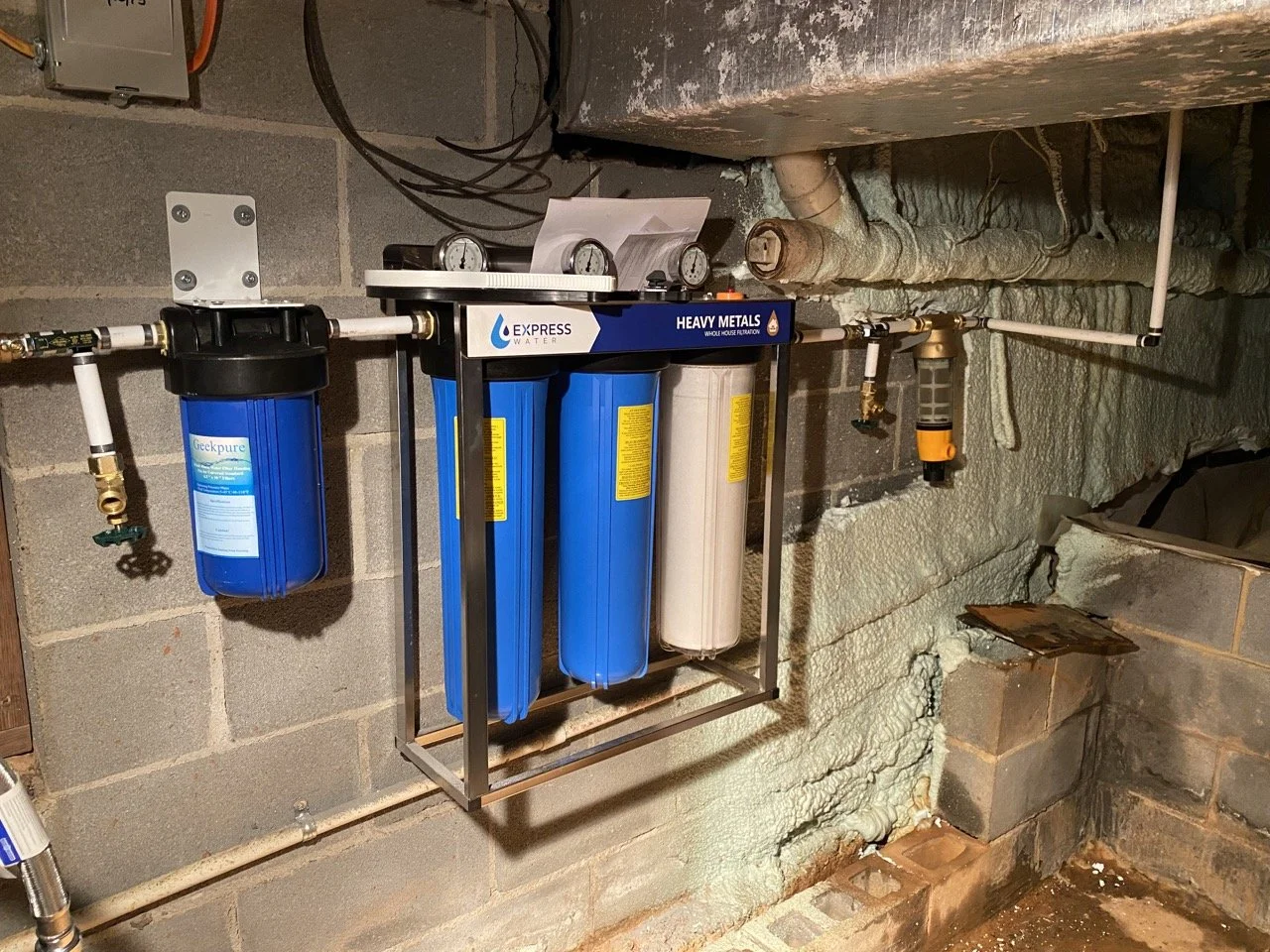
Most households don’t need a lab in the basement; they just need water that feels safe, tastes good, and doesn’t wreck appliances. The catch is that “good enough” looks different for each home. Some people mainly care about what they drink and cook with. Others are driven crazy by cloudy shower glass, itchy skin, or crusty white rings on fixtures. A few are focused on long‑term exposure to emerging chemicals that barely show up on reports. Clarifying whether your top priority is health risk, taste, comfort, or equipment protection decides almost everything else: which gear matters, how much to spend, and where to install it.
No single filter or gadget handles everything well. A basic pitcher can help with taste but won’t touch complex contaminants. A big whole‑home setup might tame sediment and hardness yet still need a fine filter at the kitchen sink. It helps to think in layers: first, a rough “shield” that protects pipes and devices; then targeted filters in key spots; and, if needed, specialized tools for unique local problems. Treating your water like a puzzle with several pieces, instead of a one‑button fix, leads to more realistic expectations and fewer disappointments.
Point‑of‑use gear focuses on one outlet: an under‑sink system, a fridge filter, or a countertop unit. Whole‑home equipment sits at the main line, treating every drop entering the building. For many households, the sweet spot is using both: a basic entry filter (and maybe softening) for showers, laundry, and appliances, plus a sharper filter at the kitchen tap for drinking and cooking. That way, you’re not paying to polish water for the garden hose, but you also aren’t ignoring the water you stand under every day.
Tap water can meet safety rules and still carry a cocktail of trace compounds: leftover disinfectants, byproducts, metals from plumbing, and persistent industrial chemicals that hang around for decades. Utilities test for a long list of substances, but science often discovers new worries faster than rules can be rewritten. Some compounds are regulated with clear limits; others are simply tracked to see how common and how risky they might be. For a household, the key question is not “Is it perfect?” but “Given what shows up here, do I want extra reduction at home?”
Persistent chemicals like certain stain‑ and water‑repellent compounds have become a symbol of this new era. They move through air, soil, and water, barely breaking down, and can accumulate in people over time. Even small amounts are taken seriously because exposure stacks up across years. Not every filter can meaningfully reduce them, and effectiveness varies by product design. Some finer activated carbon systems and advanced membranes can help, especially when they are matched to what local testing actually finds. For many families, layering a point‑of‑entry filter with a high‑performance kitchen unit becomes a practical way to lower day‑to‑day exposure while utilities upgrade more slowly in the background.
Many treatment plants and distribution systems were built for simpler threats: germs, obvious toxins, a few metals. Today’s concerns include complex solvents, metal variants like more reactive forms of chromium, drug residues, hormone‑like compounds, and microplastics. Traditional methods excel at killing microbes and removing large particles but are weaker at catching these modern stragglers. That mismatch doesn’t automatically make tap water dangerous, but it explains headlines about changing standards and surprise test results. At home, it justifies two habits: staying curious about official reports and choosing filters that are actually certified for the contaminants you care about, not just for generic “improvement.”
Most home systems boil down to three actions. Mechanical and cartridge filters catch particles: sand, rust, cloudiness, and, at tighter ratings, some microbes. Softening units swap minerals rather than straining them, trading hardness‑forming calcium and magnesium for ions that don’t cake into stubborn scale. UV chambers zap microorganisms with intense light so they can’t multiply, adding a final disinfection step without chemicals. In practice, these tools are often stacked: sediment first, softening or carbon next, then UV as a last gatekeeper before water branches into the house. Understanding which job each piece does makes it easier to shop without getting lost in buzzwords.
Hard water shows up as chalky rings in kettles, spots on glasses, stiff towels, clogged shower heads, and sluggish water heaters. The minerals behind it aren’t villains from a nutrition standpoint, but they misbehave when heated or left to dry. A softener uses ion‑exchange resin beads to grab those minerals and release milder ones instead, sharply cutting scale inside pipes and appliances. Showers tend to feel silkier, soap works better, and cleaning gets easier. What softeners don’t do: they don’t fix odd tastes, don’t tackle most chemicals, and don’t kill microbes. That’s why they usually sit behind basic filtration and ahead of any fine kitchen filters.
Activated carbon is the workhorse for better‑tasting water. Its huge internal surface attracts many chlorine‑related compounds and a wide range of organics that cause musty or chemical smells. Block‑style carbon filters can also trap small particles, at the cost of slower flow. In more advanced systems, thin membranes go further by rejecting a big slice of dissolved salts and some small organic molecules. Those are often paired with small storage tanks because they filter slowly. A kitchen line might run through sediment, carbon, and then a membrane, while a shower only sees sediment and maybe carbon. That difference in “stacking” keeps high‑precision tools focused where they matter most.
| Goal at kitchen sink | Good tech match | Maybe helpful | Poor match |
|---|---|---|---|
| Better taste and smell | Carbon block, multi‑stage under‑sink | Pitcher units | Softener alone |
| Lower mineral buildup in kettle | Membrane systems, some conditioners | Carbon block | UV alone |
| Added microbe barrier | Membrane + UV combo | Pitcher with fine filter | Softener alone |
Looking at your main goal for each faucet clarifies which combination is worth paying for.
Water suppliers publish regular quality reports listing which substances were found, the range of levels, and how those compare to legal limits. The tables can look intimidating, but a few patterns matter most: anything that brushes close to a limit, anything flagged as “unregulated but monitored,” and contaminants that appear consistently rather than just once. Even if nothing violates rules, repeated low‑level detections might convince you to add a kitchen filter tuned for those entries. Calling or emailing the local utility to ask how those numbers have shifted over several years can reveal trends that a single report won’t show.
Homes on private wells live outside many public monitoring rules. That doesn’t mean the water is bad; it simply means the homeowner becomes the utility. Conditions can shift after heavy rain, drought, nearby land use changes, or well repairs. Periodic professional testing for bacteria, nitrates, metals, and region‑specific chemicals is crucial. Once you know the baseline, it’s easier to decide whether you just need sediment control, need serious disinfection, or should invest in more advanced filtration at the kitchen sink. Treating a well blindly, without lab data, is a quick way to buy the wrong equipment.
Experienced local installers and independent water labs see patterns long before they reach headlines. They know which neighborhoods fight rusty water after main breaks, which pockets have stubborn hardness, and where specific industrial or agricultural signatures tend to show up. Getting a few quotes is not just about price; it’s a way to gather insight. Pay attention to whether recommendations match your test results and daily complaints, or whether someone is pushing the same package for every address. The best partners help build a staged plan: maybe start with entry filtration this year, then add a more advanced kitchen system when the budget allows.
Household success stories almost always begin with one clear pain point: bitter coffee, endless scrubbing of scale, itchy showers, or worry over a specific contaminant in the news. Tackle that first. If taste is the main complaint, a solid under‑sink system can transform daily life quickly. If scale is wrecking fixtures and heaters, point‑of‑entry hardness control may be the first priority, with kitchen polishing added later. Starting narrowly keeps spending in check and gives you a real‑world feel for how much improvement a given device delivers.
A simple three‑layer mindset keeps things sane: baseline protection, comfort upgrades, and precision polishing. Baseline protection is usually a sediment filter and maybe UV or disinfection, depending on source risk. Comfort upgrades include softening and whole‑home carbon for better showers and easier cleaning. Precision polishing lives at the kitchen sink: higher‑end carbon, membranes, and possibly extra microbe barriers aimed strictly at what goes in your glass. Seen this way, “whole‑home shield” stops being a single expensive box and becomes a flexible ladder you can climb one rung at a time.
Even the best system fails if nobody touches it for years. Before choosing equipment, be honest about how you handle chores. If reminders slip past you, look for long‑life filters, simple twist‑off housings, and clear indicators for replacement. If you like tinkering, modular systems with more frequent but cheaper cartridge changes might be fine. Keeping a small note on the water heater or fridge with installation dates and “change by” months turns maintenance from guesswork into a quick glance. The goal is a setup that fits your habits so well that caring for it feels as routine as swapping smoke detector batteries, not a science project you dread.
How do I choose the best whole house water filter for my home in 2026?
Start with a professional water test, then match a whole house filter’s certification and media (carbon, sediment, iron, etc.) to your specific contaminants, plumbing size, and household flow rate, not just online “best of” lists.
What really drives the cost of a reverse osmosis system for drinking water purification?
Costs depend on system capacity, number of stages, NSF certifications, remineralization options, installation complexity, and ongoing filter/membrane replacement; under-sink units are cheaper than whole-house RO but need regular maintenance budgeting.
What are the most practical hard water treatment options in 2026 besides traditional salt-based softeners?
Salt-free water softeners, conditioners, and template-assisted crystallization systems help reduce scale on fixtures and appliances, but they don’t actually remove hardness minerals, so very hard water may still need conventional ion-exchange softening.
Why is professional water testing essential before choosing well water filtration or alkaline water systems?
Lab-grade testing reveals metals, bacteria, nitrates, hardness, and pH issues so you can size well water filtration correctly and decide if alkaline systems are beneficial or unnecessary, instead of guessing based on taste or appearance alone.
How can local water filter installers and home water softening quotes help me avoid costly mistakes?
Local installers know regional water issues, code requirements, and well conditions; getting multiple detailed quotes clarifies total cost of ownership, warranty terms, and service support, helping you avoid undersized or oversold systems.