
x
Advanced mixing systems link vessel design, impellers, controls, and hygienic requirements to product quality and regulatory limits. This overview helps engineers compare batch versus continuous or inline mixing, assess high shear and powder induction options, and recognize alignment and vibration issues that drive maintenance decisions.
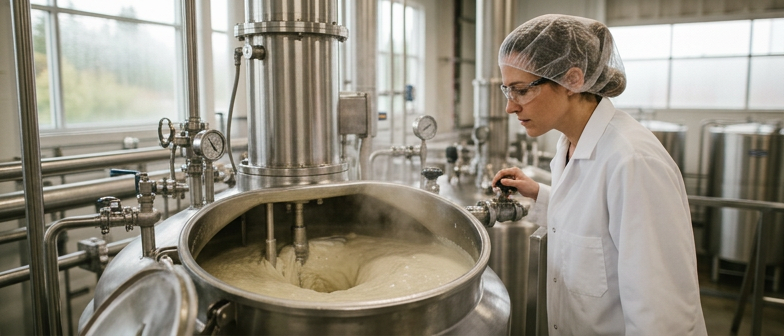
Advanced mixing systems are engineered combinations of vessels, impellers, drives, controls, and sensors that blend liquids, gases, and solids in a controlled and energy‑efficient way. In process plants, they strongly influence product quality, safety, and throughput because mixing shapes dispersion, reaction rates, heat transfer, and the stability of suspensions or emulsions. Modern designs link mechanical configuration with process conditions such as viscosity, rheology, temperature, and contamination risk, so equipment can operate within regulatory limits and documented validation protocols. Choices about mixer type, geometry, and control strategy are therefore tied to how reliably a plant meets internal specifications and external standards for pharmaceuticals, food, chemicals, and treated water.
A robust mixing solution usually starts with early collaboration on design and fabrication. Facilities often work with custom industrial mixer manufacturers and suppliers of hygienic mixing systems to translate process data, cleaning expectations, and material requirements into practical configurations that balance capital cost, operating efficiency, and maintainability. Cleanability features, including smooth surfaces, drainable housings, and seals compatible with cleaning‑in‑place routines, are evaluated together with scale‑up behavior and integration into existing tanks and automation. When mixing equipment is treated as part of the overall process architecture rather than as an isolated machine, it becomes easier to anticipate how design decisions will affect long‑term performance, regulatory compliance, and adaptability as recipes, volumes, or standards change.
In advanced mixing systems, choosing between batch and continuous operation strongly affects product quality, throughput, and flexibility. Batch mixing is common when recipes change often, operators need room for adjustment, or traceability is organized by lots. Each vessel run can be sampled, corrected, and released as a distinct batch, which helps when ingredients vary or sensory targets are tight. The tradeoff is more downtime for cleaning and changeover, and scale‑up may need larger tanks or parallel mixers. Continuous mixing instead feeds a steady flow of ingredients through the mixer and can give more uniform results once the process is understood, because each portion experiences similar residence time and shear. This mode depends on accurate metering, greater automation, and disciplined start‑up and shutdown procedures, and is usually reserved for higher volumes and stable formulations.
Within batch operations, processors often compare traditional batch tanks with inline mixers installed in recirculation loops or transfer lines. A conventional batch mixer uses an impeller or agitator inside a single vessel and is simple to visualize but may be slower to reach uniformity, especially with viscous or structured materials. Inline systems place a high‑shear or dynamic mixer in the pipeline so liquid and powder streams are drawn from the tank, mixed as they pass through the inline head, and returned or sent downstream. Comparing batch vessels with inline equipment involves balancing mixing time, energy use, thermal control, and equipment complexity. Inline mixers can speed dispersion, emulsification, and deagglomeration, but they introduce pumps, seals, and controls that require maintenance and hygienic design. Selecting batch, continuous, or hybrid configurations depends on rheology, required consistency, sanitation expectations, and available capital.
| Mixing mode | Best suited product profile | Operational flexibility | Consistency of results | Typical implementation complexity |
|---|---|---|---|---|
| Batch vessel mixing | Variable recipes, tight sensory targets | High | Medium | Low to medium |
| Continuous mixing | Stable formulations, high throughput | Low | High after optimization | High |
| Batch with inline recirculation | Viscous or structured fluids needing fast dispersion | Medium | High | Medium to high |
| Inline mixer on transfer line | Pumpable streams, emulsions, deagglomeration | Medium | High | High, with added pumps and controls |
Selecting between batch and inline high shear mixers depends first on how the product behaves. Viscous or non Newtonian fluids, slurries with stubborn agglomerates, and recipes needing longer residence time often suit a batch vessel where the mixer can dwell and apply concentrated energy. Inline designs are more appropriate for steady, pumpable streams that can be processed as they pass a rotor–stator head, and are often evaluated on how quickly they wet out powders, control temperature, and achieve repeatable dispersion.
Sanitary design and cleaning demands are also central to a batch versus inline mixer evaluation. Compact inline heads with defined product contact surfaces can be easier to automate for clean in place and for validated allergen or color changeovers. Batch tanks with top entry mixers can meet hygienic standards as well, but their larger wetted area, internals, and fittings generally make cleaning, documentation, and cross contamination risk management more complex.
Mechanical reliability in advanced mixing systems depends on how rotating components are installed, aligned, and maintained. Even small deviations in agitator shaft alignment can increase loads on bearings, seals, and gearboxes, accelerating wear and raising the risk of unplanned shutdowns. Formal alignment services that use laser or dial indicators and compare measured tolerances with manufacturer limits help keep bending moments and axial forces under control, supporting predictable power draw and reducing the chance that minor errors develop into major failures.
Abnormal noise, vibration, or temperature rise signals that structured vibration troubleshooting is needed to protect equipment and product quality. Technicians often collect baseline vibration data, track changes over time, and link peaks to specific speeds or harmonics to distinguish imbalance, looseness, misalignment, or process-driven effects such as viscosity shifts or changes in solids loading. Corrective actions may include rebalancing impellers, tightening supports, adjusting process parameters, or revisiting installation practices, with both manufacturer input and routine in‑house monitoring contributing to long-term stability.
Service planning also shapes reliability, because the availability of agitators, shafts, seals, and other critical parts depends on lead times and the degree of customization. Mixing systems tailored to particular fluids, tank geometries, or hygienic requirements can improve performance and cleaning, but they often require longer preparation for spare parts and upgrades. Many operators therefore decide which components should be stocked locally, which can use standard designs, and which rely on made‑to‑order fabrication, then integrate this information into maintenance and production planning so that mechanical robustness and realistic service response remain aligned.
Unusual vibration in an industrial mixer may appear as new noises, visible movement of the drive or support structure, or changes in motor load and product consistency. Before changing settings, operators can note when vibration occurs, whether the mixer runs in batch or continuous mode, product viscosity, tank level, and any recent maintenance or process adjustments. A brief visual check for loose anchor bolts, damaged mounting surfaces, worn couplings, or material buildup on impeller blades helps separate simple mechanical conditions from potential alignment or structural concerns that may need external expertise.
Basic in‑house inspection should stay within clear safety limits: guards remain in place, work is kept away from exposed rotating parts, and personnel do not attempt to bend or force an agitator shaft back into line. If vibration stays high after tightening accessible fasteners and removing buildup, or if the shaft appears to rub the tank or wear unevenly, shutting down the mixer and documenting observations with photos, trend data, and maintenance records can support professional shaft alignment work, inform estimates of replacement agitator timing, and reduce the chance of repeated failures.
Advanced mixing systems frequently handle cohesive powders and agglomerates that are difficult to disperse. High shear mixers create concentrated energy zones that wet fine particles, break up lumps, and improve batch consistency. Designers adjust rotor–stator speed, residence time, and temperature so that sensitive ingredients are not damaged while still reaching the desired particle size. When powders are dusty or hard to wet, vacuum‑assisted powder induction systems draw solids into the liquid stream, which can reduce airborne contamination and improve operator exposure conditions.
Obtaining a proposal for a powder induction unit or a wastewater agitator usually requires more detail than tank size and installed power. Engineering teams are asked for information on fluid rheology, solids concentration, upstream and downstream constraints, and any cleaning or hygienic expectations. For wastewater applications, expected solids content, gas generation, and duty cycle help define impeller style, shaft layout, and construction materials. Clear performance goals, such as target suspension uniformity or blend time, allow equipment suppliers to suggest configurations that fit into a coherent process design rather than treating each mixer as an isolated component.
Computational tools such as computational fluid dynamics are widely used to study mixer placement and impeller geometry before fabrication. In wastewater tanks, CFD predictions of velocity patterns, stagnant regions, and solids distribution help compare layouts and operating speeds without repeated field trials. Similar analysis can guide powder dispersion designs by identifying zones of excessive shear or insufficient circulation. Combined with pilot tests and operating data, these digital models support more appropriate mixer sizing and help tailor advanced mixing systems to specific process requirements.
What defines an advanced mixing system in industrial applications?
It is an engineered combination of vessel, impeller, drive, controls, and sensors designed to blend phases efficiently while meeting process, safety, and regulatory requirements.
When should a plant choose batch mixing instead of continuous food mixing?
Batch is preferred when recipes change often, tight lot traceability is needed, or operators must adjust formulations during production, accepting more cleaning and changeover time.
Why is professional agitator shaft alignment service important?
Accurate alignment reduces extra loads on bearings, seals, and gearboxes, helping avoid premature wear, vibration problems, and unplanned downtime.
How does CFD analysis support wastewater tank mixer design?
CFD modeling visualizes flow patterns and velocity fields, helping engineers position mixers, size impellers, and limit dead zones for more reliable suspension and aeration.
What key factors appear in a mixing equipment lease requirement review?
Typical checks include power and utility needs, hygiene or cleaning procedures, vibration limits, maintenance responsibilities, and documentation for process validation.