
x
Knowing which plastic items are actually accepted for recycling helps you avoid contamination fees and rejected loads. This guide walks through acceptable materials, local program rules, industrial scrap like purges, runners and IBCs, and what affects price and turnaround time for different plastic types.
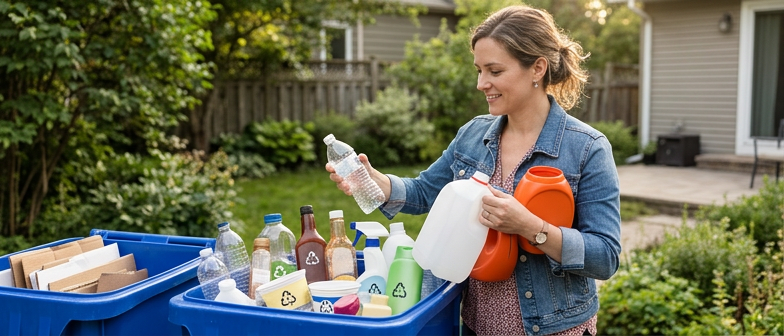
Municipal and private recycling programs decide which plastics are acceptable by matching what local sorting facilities and downstream processors can handle with safety and economic limits. Resin identification codes on packaging are a starting point, distinguishing common types such as PET and HDPE, but programs also look at the physical form of items, including bottles, tubs, jugs, trays, films, and multi‑layer packaging. Some shapes can be mechanically sorted, while others jam equipment or mix into the wrong material stream. Local recycling program requirements therefore often specify both resin type and container shape, and may route items like plastic film or foam to separate drop‑off sites. Programs also consider packaging recyclability criteria from industry and regulators, such as whether labels, closures, or colorants interfere with sorting or remelting. In practice, acceptable materials for plastic recycling are those a facility can sort into relatively pure bales and sell without excessive residue or equipment damage.
Beyond resin and shape, contamination controls and collection methods strongly influence what can go in each bin. Most programs set clean, dry plastic rules to protect workers and equipment, asking residents to empty containers, quickly rinse those that held food or beverages, and avoid plastics that still contain liquids, grease, or product. Contamination thresholds reflect past experience and buyer specifications, and can differ between curbside systems and source‑separated drop‑off centers. Local rules may allow some components, such as caps attached to bottles, while prohibiting pumps or containers that held hazardous products unless a dedicated program exists. Because infrastructure and markets vary, packaging that is recyclable in one jurisdiction may be excluded in another, so households and businesses are expected to follow current local material lists and adjust how they prepare plastics as facilities and market conditions change.
| Plastic Packaging Type | Typical Local Program Decision | Key Clean Dry Rules | Common Reasons Accepted Or Excluded |
|---|---|---|---|
| PET drink bottles | Widely accepted in curbside carts | Empty, quick rinse, caps rules vary | Single resin, easy sorting, strong markets |
| HDPE jugs and tubs | Often accepted with shape limits | Empty, no liquid, remove pumps | Rigid form, clear resin code, manageable labels |
| Mixed‑material trays and pouches | Frequently excluded from curbside | If accepted, must be dry and empty | Multi‑layer structure, hard to sort into pure bales |
| Plastic film and bags | Sometimes accepted only at drop‑off | Clean and dry, no food or loose receipts | Tends to jam equipment, needs separate handling stream |
| Foam packaging | Commonly restricted or special program | Free of food and liquid if collected | Lightweight, fragile, limited local processing options |
| Containers with hazardous residue | Usually excluded from standard programs | Not considered clean or safe for regular bins | Health and safety risks, require dedicated handling |
Community recycling programs usually accept a narrow range of plastics that fit local sorting technology and markets. The most common acceptable materials are rigid PET and HDPE containers, often marked with resin codes 1 and 2. Typical examples are drink bottles, detergent and shampoo bottles, milk jugs, and simple food tubs. Programs usually require these items to be empty, visibly clean, and placed loose in the cart so they can be identified and separated by material type.
Acceptance of other plastics, especially those labeled 3 through 7, depends on local recycling program requirements. Some areas limit collection to bottles and jugs, while others also take certain tubs, lids, and rigid packaging that meet basic recyclability criteria, such as having one main resin and minimal attachments. By comparison, plastic bags and film, thin wrap, and many multi-layer pouches are commonly excluded from curbside recycling because they can damage sorting equipment or mix several materials in one package, making consistent recycling more difficult.
Plastics are generally acceptable for recycling only when they are reasonably clean, dry, and prepared according to local program rules. Food residue, oils, and sticky materials can interfere with sorting equipment, lower the quality of recycled pellets, and create odor or pest issues. Many local programs ask people to quickly rinse bottles, jugs, and tubs to remove visible residue and then drain or shake out excess water. Industrial sites that recycle plastic purge, runners, and regrind are usually expected to keep different resins separate and avoid mixing in trash, metal parts, or paper packaging, because these contaminants complicate processing.
Moisture affects how plastics move through automated systems and can cause problems for downstream recycling steps. Wet film, flexible packaging, and containers with leftover liquid may stick together or disrupt optical sorters and balers. Some facilities check moisture before processing sensitive engineering resins. Requirements for labels, caps, and mixed components vary; some programs accept bottles with caps attached, while others ask for removal or do not accept composite items. Because local recycling rules differ by area and service provider, households and businesses need to review current guidelines to understand which plastics are acceptable, how clean and dry they should be, and whether certain packaging or industrial scrap needs special preparation.
Household plastic recycling depends on simple contamination control. Residents are usually asked to empty containers, remove obvious food and liquids, give items a quick rinse, and let them drain so plastics stay clean and dry. Most programs accept bottles and rigid containers made from a single plastic type, while heavy residues, liquid left inside, metal parts, and unaccepted items such as some films or foam can cause problems. Because accepted materials differ by area, people typically need to follow local recycling program rules instead of relying only on the resin code.
Industrial plastic scrap such as purges, runners, and regrind generally needs tighter controls because it is returned to manufacturing as feedstock. Facilities often separate scrap by resin and color, keep it free of metal, paper, and shop debris, and store it to limit moisture and contact with oils or chemicals. Large pieces may need basic cleaning to remove process residues, and regrind is commonly kept in sealed containers. Plastics that have contacted hazardous substances are usually handled under specific regulatory guidance, and in some cases must be managed as regulated waste rather than ordinary recyclables.
Industrial plastic scrap from manufacturing, such as purges, runners, sprues, faulty parts, and regrind, follows different recycling routes than household packaging. These materials are often single-resin streams like polyethylene, polypropylene, polystyrene, or engineering plastics including nylon, polycarbonate, and ABS. Because they usually have not gone through consumer use, they can be relatively clean and uniform, which makes them valuable feedstock when recycling facilities receive accurate information on resin type and prior use.
Preparation for recycling typically focuses on sorting by resin grade and application, and on documenting how the plastic was processed. Purges and runners are easier to reuse when they are free of metal, paper, and visible contamination. Engineering resins may require extra data such as melt flow, filler levels, color, and the presence of flame retardants or other additives so recyclers can decide how the material can be reintroduced into production. Many plants run internal regrind systems to convert clean sprues and rejected parts into pellets for their own lines, while material that cannot be reused on site is sent to recyclers that specialize in similar polymers or performance requirements.
When scrap leaves the facility, operators usually evaluate recycling services by accepted materials, quality standards, testing, and documentation rather than by marketing claims. Service providers may request photos, safety data, weights, and resin identification before giving an indicative price or other terms. Some differentiate clearly between clean, single-stream plastics and mixed or lightly contaminated loads, as this changes processing needs and value. Agreed turnaround times, reporting formats, and transport arrangements depend on logistics and capacity, and are easier to meet when materials are carefully labeled, stored separately, and described accurately.
Industrial facilities looking for recycling support usually begin by identifying services that handle their specific resin grades and scrap forms, including engineering plastics, runners, purge, and IBCs. Initial contact typically covers the type of operation, scrap form, expected monthly volume, and contamination risks such as mixed plastics or residues, so the recycler can judge processing options and any local program requirements for transport and handling.
Pricing and logistics are then discussed in more detail, based on resin identification, typical parts or processes, photos of the scrap, and how it is stored to remain clean and dry. For IBCs or other containers with possible hazardous residue, recyclers often require safety data and cleaning information, and turnaround time is addressed in terms of pickup schedules, loading needs, inspection steps, and how material moves to regrind or other outlets. When requesting quotes, facilities compare recyclers by how clearly they explain quality expectations, moisture or contamination adjustments, reporting on weights and grades, and procedures for non‑conforming plastics, so arrangements align with waste reduction and regulatory obligations.
What plastics are usually accepted in local recycling programs?
Most programs accept rigid PET and HDPE bottles, jugs, and simple tubs that are empty, visibly clean, and placed loose in the cart. Films, foam, and complex multi‑layer packaging are often excluded.
How can businesses compare services that recycle plastic purge, runners, and regrind?
They can review which resin grades are accepted, contamination limits, typical turnaround time, and how weights, material grades, and different forms such as purge, runners, and regrind are documented and handled.
What are basic clean, dry rules for household plastic recycling?
Empty food and liquids, briefly rinse visible residue, let items drain, and keep non‑plastic parts out when possible. Residents need to follow the local list of allowed shapes and resin codes instead of assuming all plastics qualify.
How do facilities handle IBCs, including those with hazardous residue?
They check former contents, then may require certified cleaning or special handling. Many accept only thoroughly decontaminated IBCs; units with hazardous residue follow stricter transport, cleaning, and treatment requirements.
Why do recycling prices differ by plastic material and resin type?
Prices reflect market demand, sorting effort, contamination, and processing cost. Single‑resin engineering plastics or clean PET and HDPE tend to be more consistently valued than mixed, hard‑to‑sort, or heavily contaminated plastics.