
x
Most drivers focus on shrinking the monthly figure, then discover the real cost hiding underneath: long contracts, high charges and repair bills. A stronger approach is to decide what you can truly afford, check reliability and history in detail, and set up finance that supports your life rather than straining it.
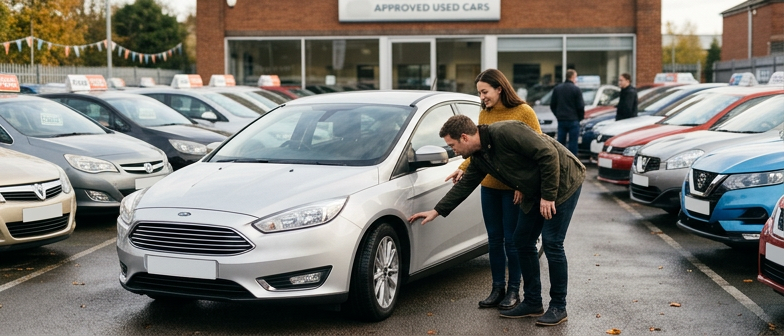
On a forecourt, the smallest instalment is designed to look like the safe choice. Yet that number alone hides how much you will hand over in total, and how long you will be paying for a car that is getting older every day.
Lengthening the agreement is the most common trick. Stretch the term and the payment drops, but the interest keeps ticking away. Add a lump sum at the end and you are simply delaying part of the bill. By the time that final chunk is due, the vehicle may be worth far less than you still owe.
Fees and “extras” can quietly turn a discount into an overpayment. A salesperson might knock money off the windscreen price, then add administration charges, fabric treatments and a costly plan for servicing into the credit. Spread over years, they are easy to ignore, but they still come straight out of your pocket.
Going for the cheapest example of a model and pairing it with the lowest possible instalment feels thrifty. In reality, that combination often means compromised condition and thin protection. A car that needs more work, or that comes with a very short guarantee, can drop a repair bill on your doormat within months.
Running costs are another hidden drain. Tax, cover, fuel, tyres and routine checks are rarely part of the sales chat, yet they decide whether you can actually live with the car. A vehicle that is cheap to buy but thirsty and hard to insure can end up swallowing more money than a slightly pricier but more efficient option.
The safest habit is to stop judging by the monthly figure alone and look at the whole picture: cash price, all credit charges, expected maintenance and everyday costs. If that complete total fits into your life without strain, the agreement is genuinely manageable. If it does not, even a tiny instalment is a warning sign, not a win.
A realistic spending plan starts before you even start the engine. Instead of focusing only on the ticket in the window, list what it takes to get the vehicle legally on the road: the agreed price, tax, registration, and any paperwork or “preparation” charges the seller expects you to pay.
Ask for a written “total to pay” summary and go through it line by line. Look out for handling fees, paint or interior treatments you did not request, or vague “packs” that simply rebadge basic services. If something is unclear, ask what it is and whether it can be removed.
If you plan to borrow, pay attention to the full amount repayable over the entire agreement. A deal with a lower instalment can still cost more than another offer on the same vehicle if the term is longer or the charges are higher. Comparing like for like is essential: same car price, same deposit, same length, different providers.
Here a simple comparison grid can help you see past the monthly figure:
| Option type | Typical strengths | Typical trade‑offs |
|---|---|---|
| Straight cash purchase | No ongoing payments, clear total cost from day one | Ties up savings, less flexibility if income changes |
| Personal loan | Fixed term, predictable repayments | Takes discipline not to extend or top up later |
| Dealer credit | Convenient, can bundle extras | Risk of higher overall cost if not compared |
Once the car is parked outside your home, the original deal fades and everyday expenses take over. A sound budget includes cover, fuel, regular checks, tyres, unexpected fixes, parking and even occasional valeting. Some models are gentle on tyres and fuel; others are more demanding and quickly undo any saving on the price.
Pretend you already own the car. Add up your best estimate of motoring costs, then place them next to rent or mortgage payments, food, energy, childcare and other regular outgoings. If the figures only just fit, they will feel even tighter when something unplanned happens.
Leaving room for surprises makes the whole experience less stressful. That might mean choosing a simpler model, a smaller engine or an older but well‑cared‑for car, freeing money for maintenance and future bills instead of spending everything at the point of purchase.
Before travelling to see a vehicle, the advert itself can reveal a lot. A price that is far below similar examples is less likely to be a miracle and more likely to reflect heavy use, a patchy past, or work that still needs doing. Treat big gaps between one advert and the usual range as a prompt to ask more questions, not as a reason to rush.
Key details should make sense together: mileage, number of previous keepers and the service paperwork. A relatively low odometer reading with missing records deserves more caution than a higher reading backed up by invoices and stamps. If a seller has owned the car only briefly, consider why they are moving it on so quickly.
Independent review and valuation sites can help you understand common weaknesses for a particular model and give a rough sense of what is normal for age and condition. Use this information to guide your expectations and to decide when a cheap price might be hiding future costs.
Official test history is more than a pass or fail record. Advisory notes over several years reveal patterns. Repeated comments about rust, leaks or suspension wear suggest that you might soon be paying to tackle underlying issues. Notes about tyres and pads at similar mileage intervals are usually less worrying; structural or engine‑related warnings need more attention.
When dealing with a smaller forecourt or a private seller, paying for an independent check can be powerful. An inspector who highlights worn components, fluid leaks or poor‑quality repairs gives you solid evidence. With that information, you can either walk away before you commit, or use the findings to seek a lower price.
The aim is for everything to line up: the story in the advert, the documents, the condition you see in person, and the numbers being asked. When they all point in the same direction, the chance of an unpleasant surprise after you buy is much lower.
The structure of your borrowing can make the difference between a sensible purchase and years of strain. Planning how you will pay before falling for a particular car keeps emotion in check and stops you being steered into the most profitable product for the seller rather than the most suitable for you.
Broadly, your choices fall into three camps: using savings, arranging a personal loan, or accepting credit through the dealer. Using savings avoids ongoing payments and interest, but reduces your emergency cushion. A personal loan agreed in advance gives you a clear maximum spend and lets you negotiate as if you were paying in full on the day.
Credit arranged on site is convenient and sometimes packaged with tempting extras, such as enhanced guarantees or contributions towards your old car. The catch is that the structure can become complex, with add‑ons, longer terms or final lump sums that push up the total cost.
This kind of overview can clarify the differences:
| Buyer priority | Often better served by | Points to double‑check |
|---|---|---|
| Lowest lifetime cost | Savings or a simple personal loan | Impact on emergency funds, early repayment terms |
| Flexibility month‑to‑month | Structured dealer credit | Total repayable, any final lump sum, extra fees |
| Quick, simple process | Dealer‑arranged agreement | Whether you could get a better offer elsewhere |
Before signing, it helps to know where you stand. Checking your credit profile in advance gives you a realistic idea of the terms you are likely to be offered and may highlight easy steps that could improve your position.
Gather written quotes from more than one lender, all based on the same deposit and duration. Comparing on identical terms makes it clear which offer really costs less, instead of being distracted by slightly different structures. If one option includes a large payment at the end, be honest with yourself: will you be happy to keep the car and pay it, will you look to refinance, or are you expecting to swap into another vehicle?
Thinking in this way turns the purchase from a one‑off transaction into part of your wider financial plan. The strongest outcome is not the flashiest car on the drive, but the one that fits your life, does the job reliably and leaves enough room for everything else that matters.
How can I spot genuinely good used car sale deals rather than just low monthly payments?
The key is to compare the total price of the vehicle, all interest and fees, plus likely running costs, instead of chasing the tiniest instalment. In the UK, check online valuations, typical retail prices and dealer admin fees, then negotiate from the “on‑the‑road” figure, not the headline monthly.
What is the smartest way to search for affordable used cars near me in the UK?
Start with a realistic budget, then filter by total price, mileage, age and full service history on major classified sites. Combine that with postcode‑based searches, but stay willing to travel a reasonable distance if a car with stronger history, fewer owners and better value appears slightly further away.
Which factors define the best affordable used cars, beyond the sticker price?
For UK buyers, the best affordable used cars balance reasonable purchase cost with low failure rates, strong safety scores and efficient engines. Check reliability surveys, insurance group ratings, road tax bands and real‑world fuel economy, then shortlist models known for cheap parts, easy servicing and stable resale values.
How can I compare used car deals near me offered by different dealers and platforms?
Collect written quotes for similar cars and line them up by cash price, mileage, included warranty and any preparation work. Scrutinise admin fees, return policies and statutory rights. Franchise dealers may charge more but include better backing, while independents and online platforms might offset risk with keener pricing.
What should I look for in used car finance deals and used car finance rates specifically?
Focus on the APR, total repayable, agreement length and any balloon payment at the end. Ask for quotes based on the same deposit and term so you can compare like for like. In the UK, also check early‑settlement rules, optional commission‑linked add‑ons and whether you can overpay without extra charges.