
x
If you’re exploring private care jobs — from home visits to live‑in roles or personal assistant work — it can be hard to know what experience, checks and flexibility you really need. This guide clarifies entry routes, driving and DBS expectations, and how platforms, agencies and direct hiring compare.
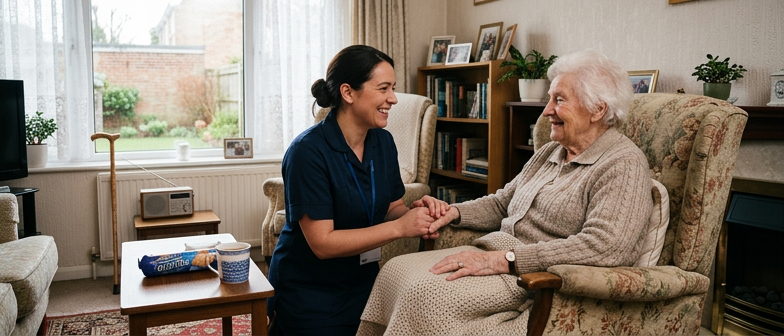
Private care jobs usually involve supporting adults in their own homes rather than in large care facilities. Clients may look for visiting carers, live-in support or a personal assistant so they can manage daily routines and remain independent. Typical tasks include help with washing, dressing, preparing food and reminding someone to take medication. Some home care roles also include driving a person to appointments or social activities, so a driving licence can be important for certain posts. Live-in care normally means sharing the client’s home and offering regular support throughout the day and night, with agreed rest periods written into the arrangement. People who search for private vacancies near them may see posts advertised directly by families or through online platforms that list local home care and live-in roles.
These private roles sit alongside work organised by care agencies, but the pattern of employment can differ. Agencies tend to recruit staff, arrange rotas, manage pay and set standard procedures, while direct arrangements give clients and workers more scope to agree hours, duties and pay rates. A personal assistant for a disabled person is often employed directly by that individual or via a public funding scheme, and the job is tailored to the person’s routines, communication style and long-term goals. Comparing live-in positions, visiting home care and personal assistant posts can help potential workers decide whether they prefer the structure of agency employment or the flexibility of being hired privately, and which setting matches their skills and confidence.
Private care work includes visiting home care, live-in support and personal assistant roles. Short home visits suit people who like fixed shifts, structured tasks such as meals, washing and light housework, and working with several clients. Live-in care is better for those comfortable living in a client’s home, following a flexible routine and focusing on one or two people in more depth. Personal assistant jobs for disabled clients often combine practical help and support with social activities, and can suit beginners who value one-to-one relationships and are willing to learn ways of working agreed directly with the person and their family.
| Role type | Typical tasks and focus | Working pattern | Best suited to | Key considerations |
|---|---|---|---|---|
| Visiting home care | Structured daily living support | Short, fixed visits | Organised multitaskers | Managing multiple clients each week |
| Live-in care | Ongoing one-to-one support | Extended stays in client home | People comfortable sharing space | Balancing flexible routine with rest time |
| Personal assistant for disabled clients | Practical help plus social support | Agreed schedule with client | Beginners valuing close relationships | Negotiating duties directly with client and family |
Many private care roles are open to beginners without formal health or social care qualifications, particularly jobs supporting older or disabled people at home. Clients and employers often focus on values, reliability and communication skills, and may offer induction and on the job training. Short courses in safeguarding, moving and handling or basic first aid can still make an application stronger and help you feel prepared. It is important to read each job description carefully, because roles involving complex medical procedures or specialist equipment are more likely to ask for specific qualifications or prior experience before you can be considered.
References are commonly requested for care work because they help people check your work history and conduct before trusting you in a private home. You will usually be asked for at least one recent reference from paid work, education or volunteering, and sometimes an additional character reference from someone who knows you in a professional context. These checks are intended to reduce risk for clients who may be vulnerable. If you have little employment history, building experience through short term roles, placements or volunteering can give future referees a clear basis to comment on your reliability and suitability.
Most hands on care roles with adults at home or in the community are treated as regulated activity, so employers often require an enhanced Disclosure and Barring Service check before you start work. This looks at criminal records and relevant barred lists so that organisations and private clients can make informed safeguarding decisions. The exact level of check depends on the setting and duties, and job adverts should explain what is needed and whether the employer arranges and pays for it. Understanding these checks early helps you plan documents and timescales for beginning care work.
Many private care roles are open to beginners and focus on values, reliability and willingness to learn rather than long experience. Entry level positions such as care assistant or support worker may be suitable if you can show empathy, clear communication and respect for people’s dignity. Some posts ask for basic training in areas like safeguarding, and organisations often provide induction and supervised practice so new workers can build skills safely.
You can start applying for care work once you understand the role and are ready to complete checks and training. Responsible employers use recruitment screening and usually require background checks such as an enhanced Disclosure and Barring Service check before unsupervised work. Using recognised introductory courses and careers guidance can help you decide whether care work is suitable for you and show commitment if you do not yet have formal qualifications.
Working conditions in private care roles usually involve supporting people in their own homes with daily living, personal care and companionship. Some arrangements are short home visits, others are longer shifts or live‑in roles. Hours often include early mornings, evenings, weekends and public holidays, with pay reflecting this flexibility. Because care is delivered in a familiar environment, the work can feel more personal and less rushed than in residential services, but it also requires adapting to each client’s routines, household rules and preferences. Clear written agreements on hours, breaks, pay and duties help both the worker and the client manage expectations and avoid misunderstandings.
Driving expectations depend on the job and location. Many home care posts prefer or require drivers who can travel between clients quickly or support outings such as shopping and medical appointments, sometimes with mileage paid. These roles usually expect a valid licence and suitable insurance. People without a driving licence can still work in care, particularly in areas with reliable public transport or in live‑in arrangements where commuting is limited. In these situations, journey times, rota planning and being able to travel safely by foot, bus or train become important practical considerations. Job descriptions normally state whether driving is essential or whether other travel options are acceptable.
Working independently of agencies means arranging care directly with individuals or families, or through platforms that link self‑employed carers with clients. This can give more control over your schedule, the type of support you offer and how you build working relationships, but it also adds responsibilities such as handling your own tax, insurance, training and cover when you are ill or on holiday. Agencies and larger providers typically organise payroll, supervision and emergency back‑up, while setting standard rotas and procedures. When comparing agencies, online platforms and fully independent work, it is helpful to look at how each option manages safety checks, contracts, complaints and ongoing support, so you can choose a structure that matches your preferred balance of autonomy and security.
Digital care platforms, traditional agencies and direct employment each offer different balances of flexibility and support. Platforms usually make it easier to find private care vacancies near you, check live in and visiting roles, and manage your own schedule and pay rates. Agencies tend to give clearer employment status, training and supervision, which some beginners value when starting out. Working directly for an individual or family can feel more personal and may offer adaptable hours, but you are often responsible for contracts, insurance and tax records yourself, with less formal backup if problems arise. Choosing a route depends on how comfortable you are managing your own arrangements and whether you want predictable hours or a more changeable pattern of work.
Can I apply for private care jobs without formal qualifications?
Yes, many home care and support roles accept beginners. Employers usually look for reliability, empathy and good communication, and may offer induction and basic training.
Are references and an enhanced DBS check needed for care work?
Most private care roles ask for at least one reference, and many require an enhanced DBS because you are working with adults who may be vulnerable.
Can I do care work if I do not have a driving licence?
You can. Visiting roles in one area or live‑in posts may not need driving. Jobs that include taking clients to appointments are more likely to ask for a licence.
How do care platforms compare with traditional agencies?
Platforms often give more control over your schedule and rates, while agencies tend to offer clearer employment status, training and supervision. The best option depends on how much structure you prefer.
When can a beginner realistically start working in private home care?
You can usually start once recruitment checks are complete, any required training is finished and a written agreement on hours, pay and duties is in place.